5 Signs Your Warehouse Needs Automation Now
If you’re unsure whether you’ve reached that tipping point, here are five clear signs your warehouse needs automation now and


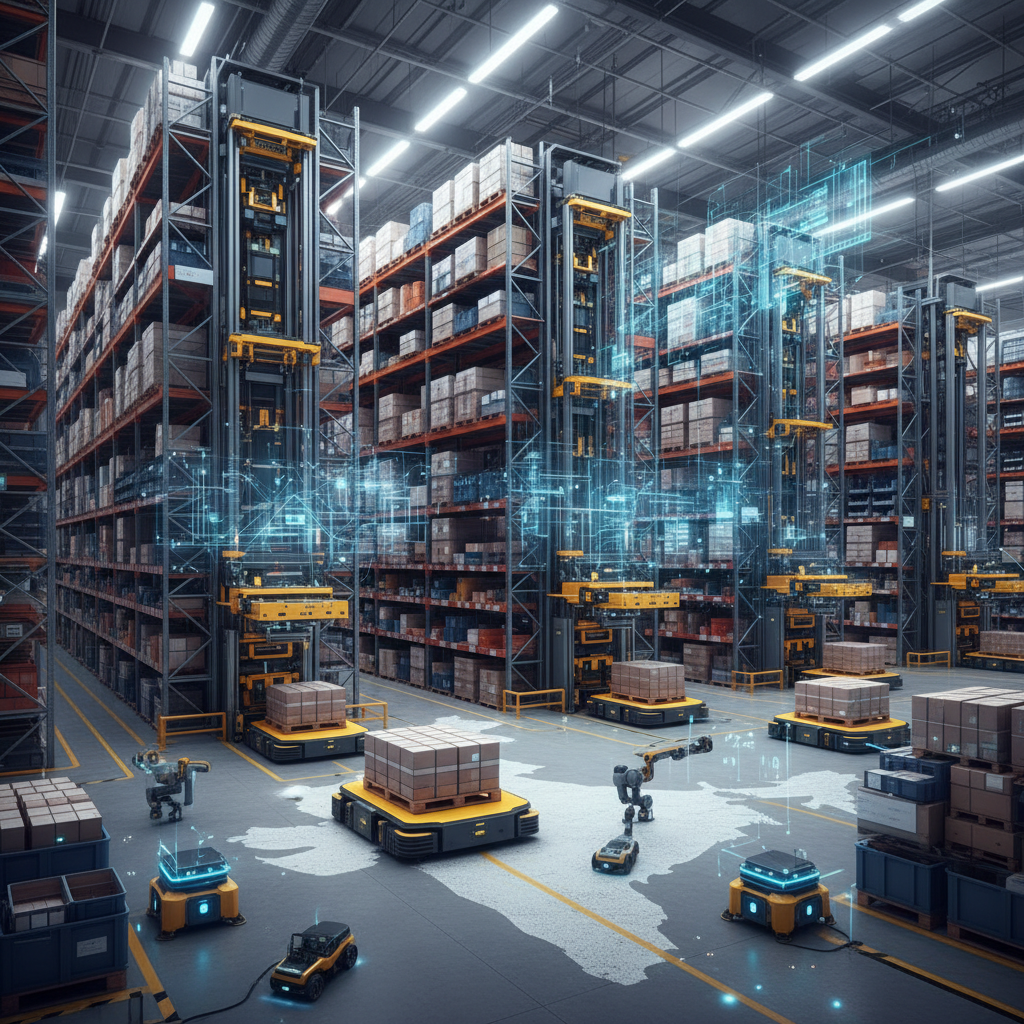
Warehouse automation, whether it’s ASRS, AGVs, or AMRs, isn’t a one-size-fits-all solution. Your up-front investment and long-term ROI depend on your business needs, the type of equipment you choose, and the infrastructure required to get it up and running. To understand the total cost of warehouse automation in India, you need to consider: 1. Consulting charges 2. Software and hardware costs 3. Integration costs 4. Change management and training costs 5. Post-sales service and AMCs 6. Indirect costs, civil work, cable trenching, Wi-Fi routers, etc.
But that’s just the beginning. You’ll also need to take into account extra costs , such as modifications to the warehouse to accommodate the machines and structural upgrades to handle the increased loads associated with dense storage. Then come the software add-ons to integrate with existing warehouse management systems, as well as maintenance contracts and operator training!
What kind of support will you receive post go-live, and at what cost? Most vendors offer 2 to 4 weeks of warranty support, but even a short freeze-up can cost you more than you’d pay for an extra month of hand-holding. Long-term, you want the option of a maintenance contract or a dedicated on-site technician. Prices vary widely according to the level of service you want, but count on earmarking 8% to 10% of the total equipment cost for annual software and support.
ASRS to handle unit loads are commonly seen in warehouses and manufacturing facilities. This setup comprises a racking structure, where pallets are stored vertically under a crane system. The crane is fixed to a horizontal beam that traverses the length of the racking structure. The crane has a telescopic fork that can stretch down below to retrieve a pallet and lift it up vertically. Two out of the three dimensions (length, width, height) of the storage space need to be defined in advance. The third dimension can be modified in real-time. The disadvantage, however, is that the pallet size is fixed. So, if you want to change the size of the pallet, you need to redo the entire racking structure. This can be expensive and time consuming.
An automated storage and retrieval system built for smaller, lighter items isn’t just a shrunken version of one meant for pallets. Mini load ASRS is designed to handle items like cartons, totes, or bins not exceeding 50 kg each. Navigating faster and across higher mast heights than its bulkier cousin, it’s perfect for e-commerce warehouses and pharma distribution centers where floor-to-ceiling heights are exploited to store vast numbers of lighter items. These systems are a little more complex to design and install than unit load systems, but long-term performance can be easier to maintain. Elements include multiple cranes to handle the faster workload, better software to manage the bigger number of SKUs you’ll be storing, more organization and control around dynamic replenishment features, and sorting. Sizes can be relatively compact, from 1 to 30 meters tall and maybe 6 meters wide. A 1-crore contract could handle 500 to 2,000 totes. A 5,000-tote position system might cost between ₹3 crore and ₹7 crore. A variety of cranes may be used based on re-storage requirements. However, the costs of the cranes (typically lighter and quicker than unit load cranes), software, and WMS can be higher. The warehouse automation cost per position is fairly common, though, and may often be lower since you can store and retrieve more totes in a given hour than more massive totes, loads or pallets. It’s the WMS and WCS software costs that can go up due to the greater number and random-access nature of the stored items. Don’t forget that the higher added costs of a more sophisticated WMS can be money very well spent if you are in high growth mode. You don’t want to be switching out your management software in midstream.
For years, these figures made people sweat, as they implied strict ROIs of three to four years at most. But as robots become more reliable thanks to advanced monitoring and maintenance tech, along with longer estimated lifespans, most customers are now comfortable with payback periods of five to seven years. Additionally, many now finance their robots through vendor leases or take advantage of generous Indian government subsidies, which can slash the purchase cost by 25% to 50%. Energypac, for instance, secured 35% to 40% of its initial investment in the form of subsidies through the Make in India program. The claimed productivity and efficiency improvements may also be somewhat optimistic (don’t they always seem to be in the vendor’s brochures?), as payback periods of even ten years are definitely too long for most firms.
The price you pay for an ASRS solution is like the tip of the iceberg because the visible construction works are only a fraction of the real costs. Receiving racks have to be engineered to take over 10 tons per square meter, meaning your floor could also require expensive geotechnical works, foundations, and slabs. 9-meter high cranes will loom above your operators so you have to increase your roof height. 400V 3-phase electrical supplies to your unused walls will have to be upgraded to handle the crane electricals, and your air conditioning could require major upgrades to handle the heat output.
Software licensing is one of the most convoluted and perplexing parts of modern IT. A seemingly simple task — acquiring and operating an automation software system — could include a one-time perpetual license fee due up front immediately upon purchase, or SaaS subscriptions that start at ₹2 lakh per month. Annual support and updates could be 18% to 22% of that initial license and training could be 10% more annually. Our service teams recommend planning for at least two weeks of hands-on training to operate and troubleshoot the system, which the vendor will facilitate. These sessions often run ₹3 lakh to ₹5 lakh. Spare parts inventory for the most multimillion-operation-critical components, which for automated systems are often motors and sensors, should be on-site and available to the customer from day one. The average motor may cost you ₹1 lakh to ₹3 lakh and a sensor ₹50,000 to ₹1 lakh. A starter spares kit for the average system should be in the average range of ₹10 lakh to ₹20 lakh.
Calculating the Timeline: Estimating Your Return on Investment (ROI) in the Indian Market
Warehouse automation typically weaves in and out of fashion in India every five years in tune with the business cycle. We’re seeing it trend again right now not only because of e-commerce but because we’re running out of space. We’ve just finished our first round of mechanization with an Automated Storage and Retrieval System (ASRS), Shopping Cart Conveyors, Goods-to-Person Robotics, and 3D printers to eliminate traditional bent-wire connecters from paddle fans. Now we need to get serious about full Warehouse Management Systems, Light Direct Current Fast-Charging Automated Guided Vehicles (DC L-AGVs), Extended Duty Automated Guided Vehicles, Zone Picking, GTP Voice Picking, and full Zero-Gap DC manufacturing outside-of-warehouse ordering sub-systems. What will be different this time around is that prices have dropped thanks to widespread adoption. The question isn’t the cost of the equipment. It’s how you finance it.
Vendor Negotiation: Key Questions to Ask Local Integrators to Avoid Budget Creep
A fixed-price turnkey contract should be your starting point, not a time-and-materials deal. How can you control schedules if costs can vary? Budget creep is the bane of automation projects, so make your vendor spell out exactly what you’re getting for your money. Demand a detailed Bill of Quantities (BoQ) that lists everything: from the location’s dimensions and the number of sensors to the type of shuttle technology and the safety system logic solver hardware with electrical schematics and software module names. And ask lead times for each one, to see how long you’ll be paying financing costs and waiting for your system to be shipped preassembled from an overbooked Chinese factory. Make them tell you which components besides the central racking crane and shuttles are imported; one recent project saw costs rise by as much as 13% due to unforeseen currency fluctuations and a potential 0% to 37% import duty depending on whether the items were made in China or India. You want those extra costs locked in, or at least carefully monitored.

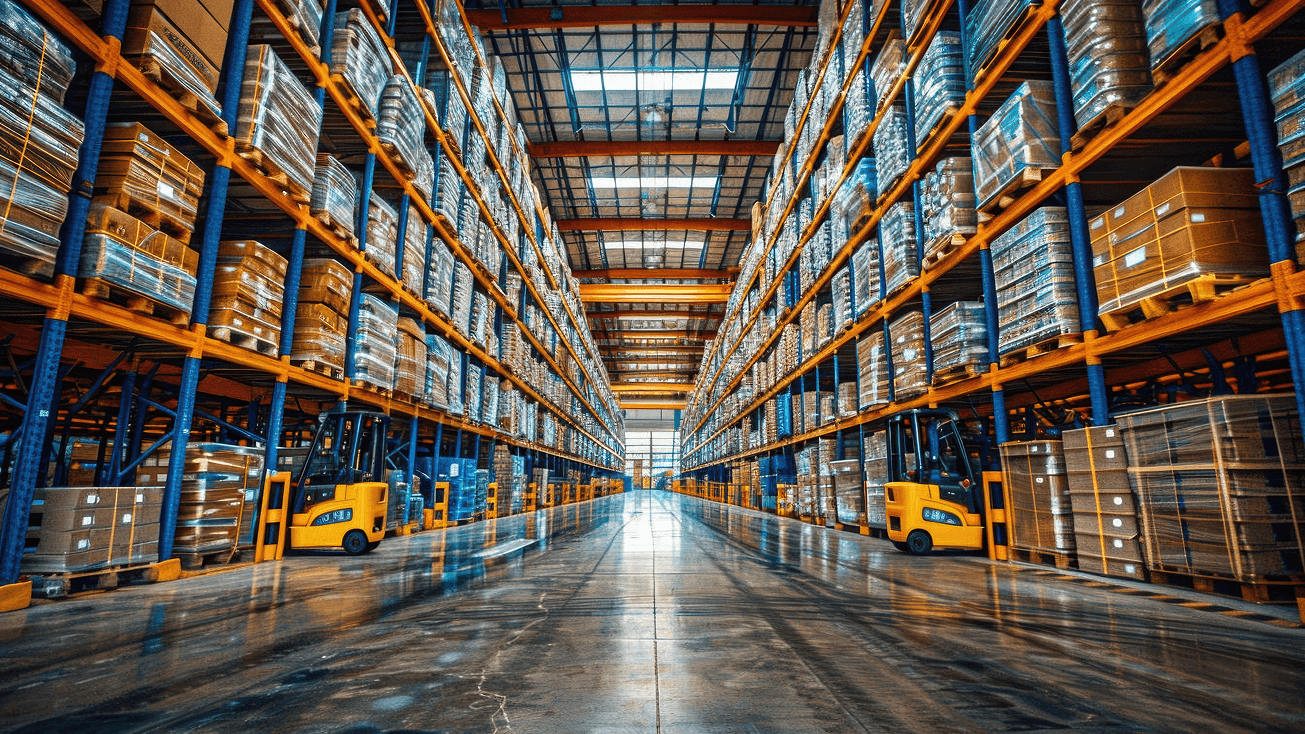
If you’re unsure whether you’ve reached that tipping point, here are five clear signs your warehouse needs automation now and
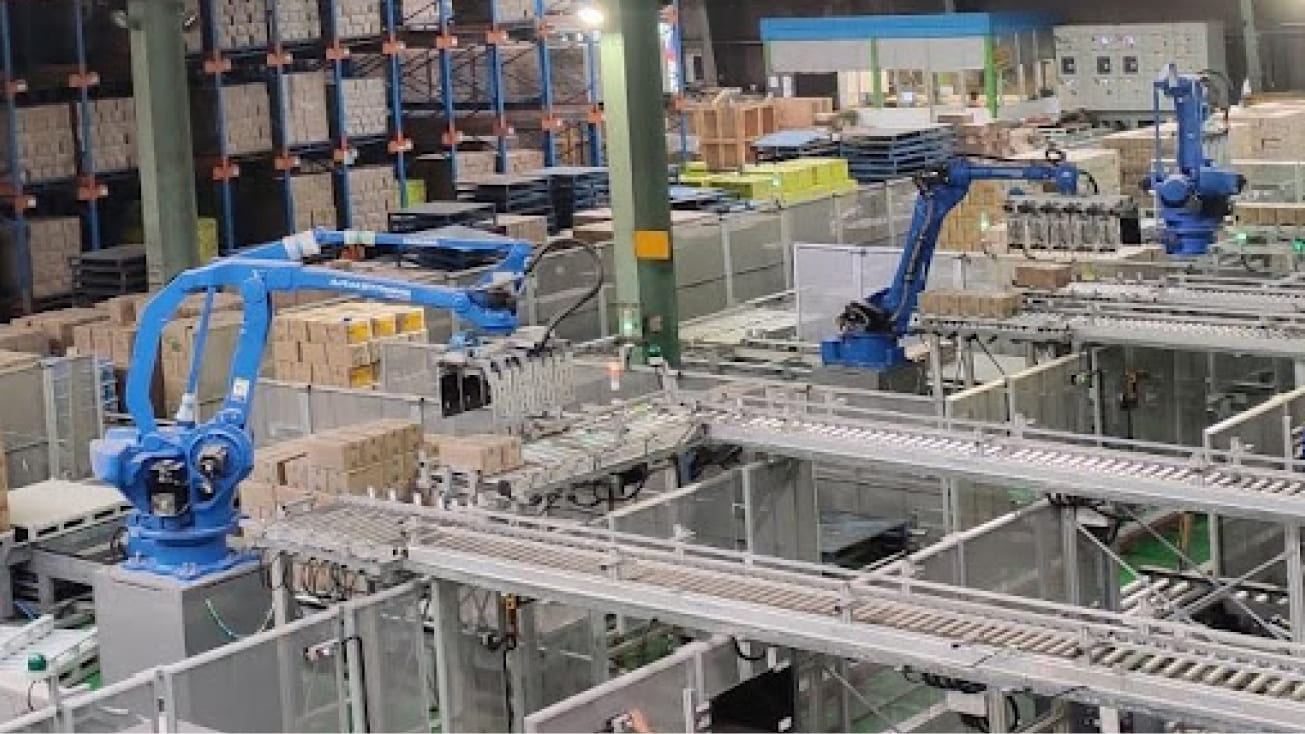
The FMCG sector is a driving force in the Indian market, driving a significant portion of the nation's GDP, generating...
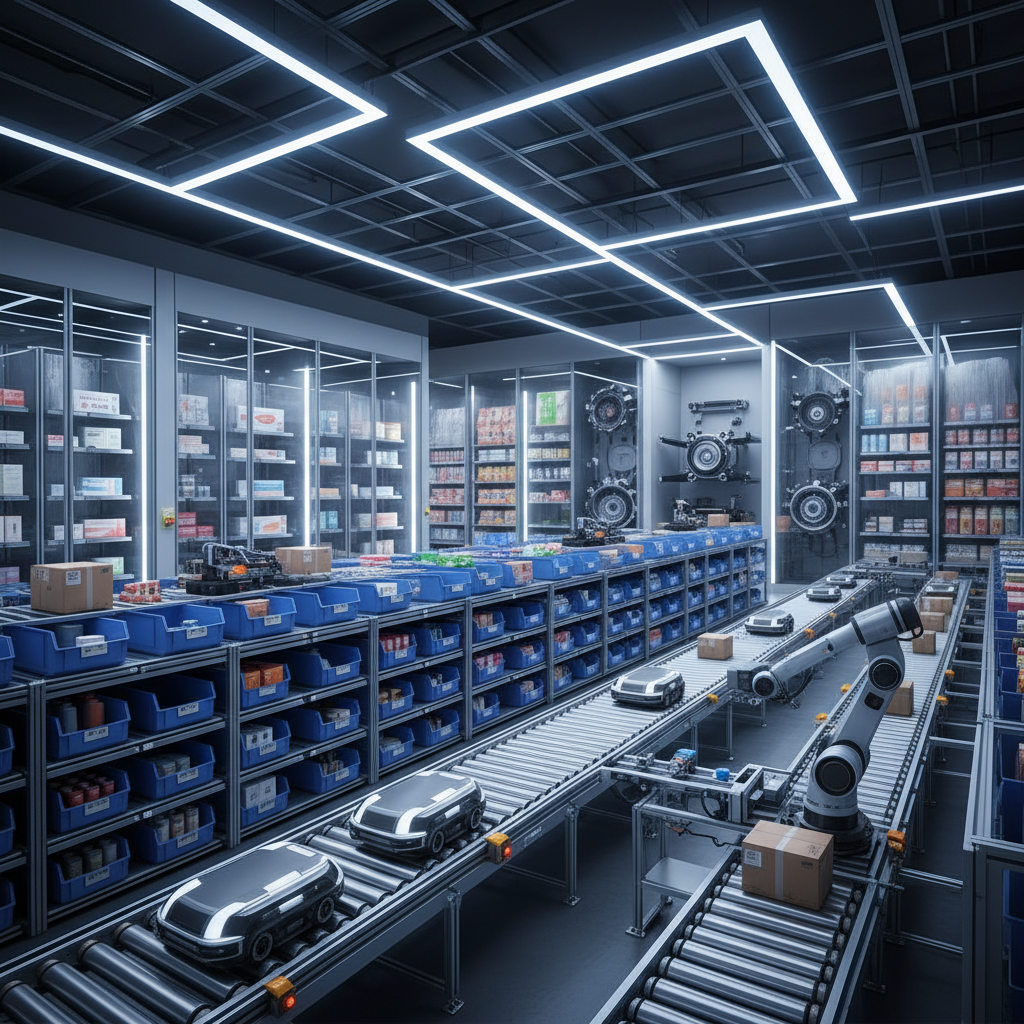
ASRS for Ecommerce Fulfillment Centers We often take little notice of just how much work, time, and energy goes into...

To provide operational excellence, Armstrong Dematic leads the way towards innovative intralogistics and warehouse automation solutions. Our transformations are based on Industry 4.0 solutions.
Follow us on:


