Pick-to-Light System Cost Guide
Pick-to-Light System Cost Guide Warehouse automation isn't just an option for retail giants and e-commerce moguls anymore. As automation technology...


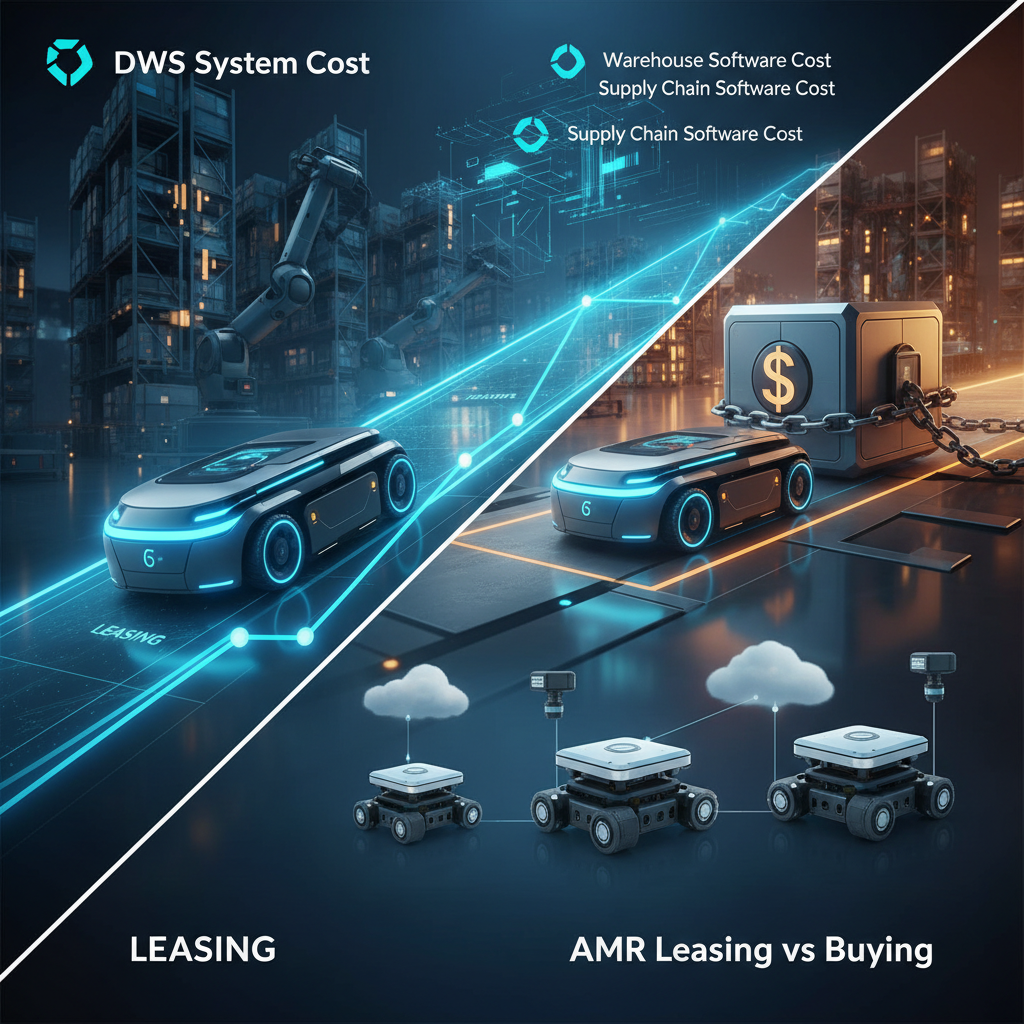
Deciding whether to lease or buy AGVs and AMRs is challenging enough. Lease 20 DWS robots, for example, and you’re committing to more than $1.5 million over five years, and that’s before you’ve designated funds for a complete warehouse system replacement. Get it wrong, and you’re stuck with either too little capacity or the wrong robots. Worse, going over budget could slash your robot maintenance budget by a third or force your teams to skip the training they need. Most of all, if you could have saved 30% by picking a different financing model, resizing the fleet, or shortening the refresh window, you’re just wasting cash. It’s costly to get wrong, but easy to get right if you have the basics in hand.
What’s more, paying for AGV and AMR equipment over time hedges your bets against future operating cost increases. Your lease rate is locked in upon signing, no risk of inflationary spikes on raw materials or component parts driving up the cost of an installed industrial AGV. Wouldn’t you rather let the leasing company absorb the total cost of ownership risks while you benefit from predictable budgeting, regular technology refreshes, and increasingly productive robots? With a shorter technology lifecycle than warehouse infrastructure, robotics systems are frequently improved without any additional investment on your part. Leasing also simplifies disposing of outdated equipment after an upgrade. Your install-and-integrate partner can handle decommissioning and processing.
Lease versus buy decisions often come down to your company’s cost of capital. If you can finance a purchase for less than the cost of a lease, buy the equipment. This simple quiz can help determine which way the financial winds are blowing: if you can earn more by investing the money than you’re spending in interest or lost interest, the answer is buy. If not, lease. With historically low-interest rates in the marketplace, buying is an increasingly attractive option. OpEx leases have a higher interest rate factor than bank loans because lessors pay income tax and factor that in. Upshot: buying equipment can be cheaper than you think.
If lower utilization rates (they’re expensive sitting idle) or shorter terms come into play, then pay-per-use or Robotics as a Service (RaaS) models might be a better bet. Renting encompasses all parts, service, and upgrades in a fixed hourly rate, so you only pay when the robot’s working. You’re covered in emergencies, with 24/7 phone support, field-service engineers, and swap-out units (usually refurbished) when repairs can’t be performed on-site. However, paying to lease and not own over the long haul can sometimes be more costly, especially if depreciation benefits are important to your business.
Depreciation is not a sexy topic, but for organizations in growth mode, it’s a critical component of the equipment-buying equation. Depreciation essentially allows you to expense a portion of the robot equipment cost each year over the useful life of the asset, usually five to seven years for robots. That reduces your taxable income each year (along with any interest you may be paying on a loan) until you’ve written off the full price. Reduce your taxable income and you reduce the amount of income tax you owe. Simple. Sort of.
Operating leases are similar to rentals, in the sense that you pay for the use of the equipment over a fixed term (usually two to five years) and return the equipment at the end of the term. The lessor assumes the risk of the equipment’s residual value, and you have no further obligations. This type of lease is recommended for companies where the equipment is likely to become obsolete, or where the volume of business may be seasonal. A financial lease, on the other hand, is a lease that transfers substantially all the benefits and risks of ownership to you. The monthly payment includes the entire cost of the equipment, plus interest, and you will probably have a bargain purchase option at the end of the term. This type of lease will be treated as a loan under accounting rules, and will show up as a liability on the balance sheet, with you responsible for the total cost of the equipment.
Do you prefer to pay more with the flexibility to walk earlier? Operating leases are a bit more expensive than financial leases to offset some of the risk the lessor is taking. If you cancel an operating lease early, you’ll pay an early termination fee ranging from the sum of remaining rent payments to that sum plus a little extra. With a financial lease, when you miss a rental payment, the lender doesn’t come repossess a robot. They might not even come after you for the missed payment. We prefer not to hide anything, so you know that these costs simply go into the original quote instead. It’s much easier to walk at the end of a term with an operating lease. We never liked feeling like we were held hostage waiting for a product to become outdated. Voicing this feeling, some clients prefer the financial lease structure because they know they’ll keep their robots for a longer time.
Maintenance staff with the right skills are already hard to find. Now we’re asking them to become robot whisperers, too. On average, maintenance demands a staff of four or five employees for every twenty-vehicle AGV fleet. If they don’t have the answer, the call to the manufacturer consumes valuable work hours, time during which your AGV is at a standstill. Leasing companies eliminate all those worries. A robot with a problem signals the leasing company, and it troubleshoots, dispatching a technician if necessary. It’s your robot, but it’s their problem. You just watch your product move down the line.
Bundled maintenance also aligns incentives. The lessor wants the robots running smoothly to protect residual value and minimize downtime claims. They invest in preventive maintenance, train technicians, and negotiate volume discounts with OEMs. You benefit from professional fleet management without hiring specialized staff. However, bundled contracts can be opaque. Read the fine print to understand what counts as normal wear and what triggers extra charges. Some lessors cap annual maintenance hours or exclude damage from operator error. If your operation runs three shifts in a high-dust environment, confirm that the lease covers the extra wear before you sign.
The Obsolescence Risk Check: When Does Rapid Technological Evolution Make Buying Mobile Robots a Liability?
Obsolescence risk looms large in 2026. AMR navigation algorithms improve monthly, battery energy density climbs annually, and warehouse software platforms add new integrations every quarter. A robot you buy today might feel outdated in three years, even if it still functions perfectly. Leasing transfers that risk to the lessor, who must worry about resale value and technology refresh cycles. If you lease, you can upgrade to newer models at the end of each term, keeping your fleet competitive without writing off stranded assets. Buying makes sense when the core technology is mature and incremental improvements deliver diminishing returns. AGVs using magnetic tape guidance, for example, have changed little in a decade. AMRs using vision-based SLAM, by contrast, see major leaps every 18 months.

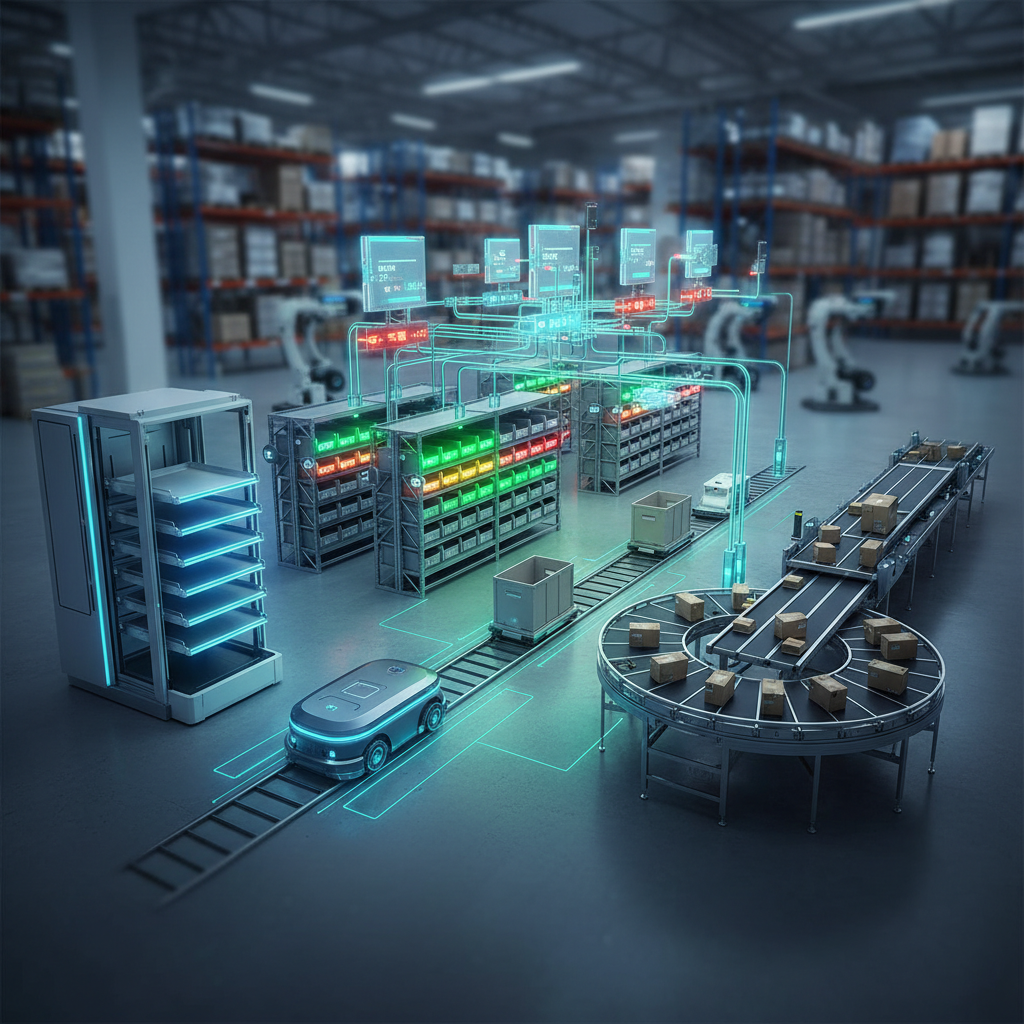
Pick-to-Light System Cost Guide Warehouse automation isn't just an option for retail giants and e-commerce moguls anymore. As automation technology...
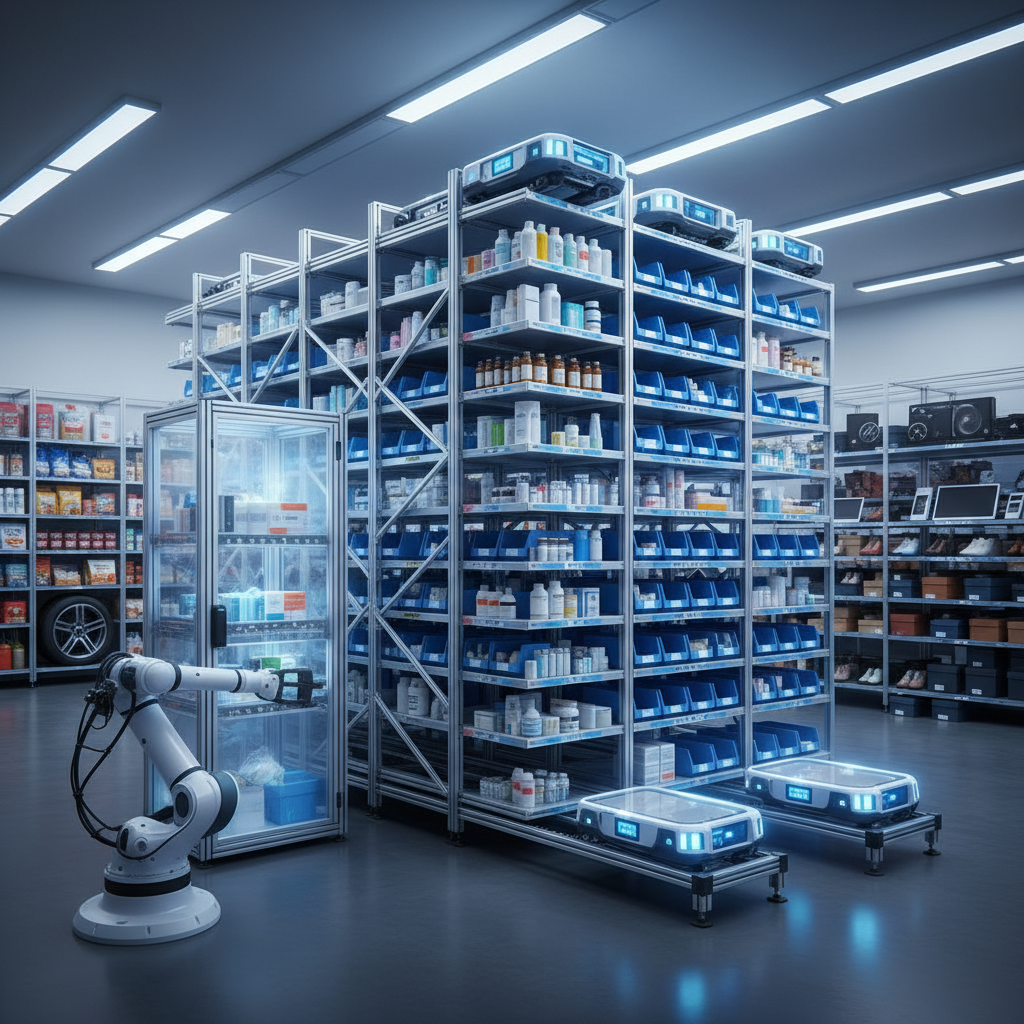
ASRS for Pharma: Improving Compliance and Storage Efficiency The world of pharmaceutical warehouse management is distinctly different from the world...
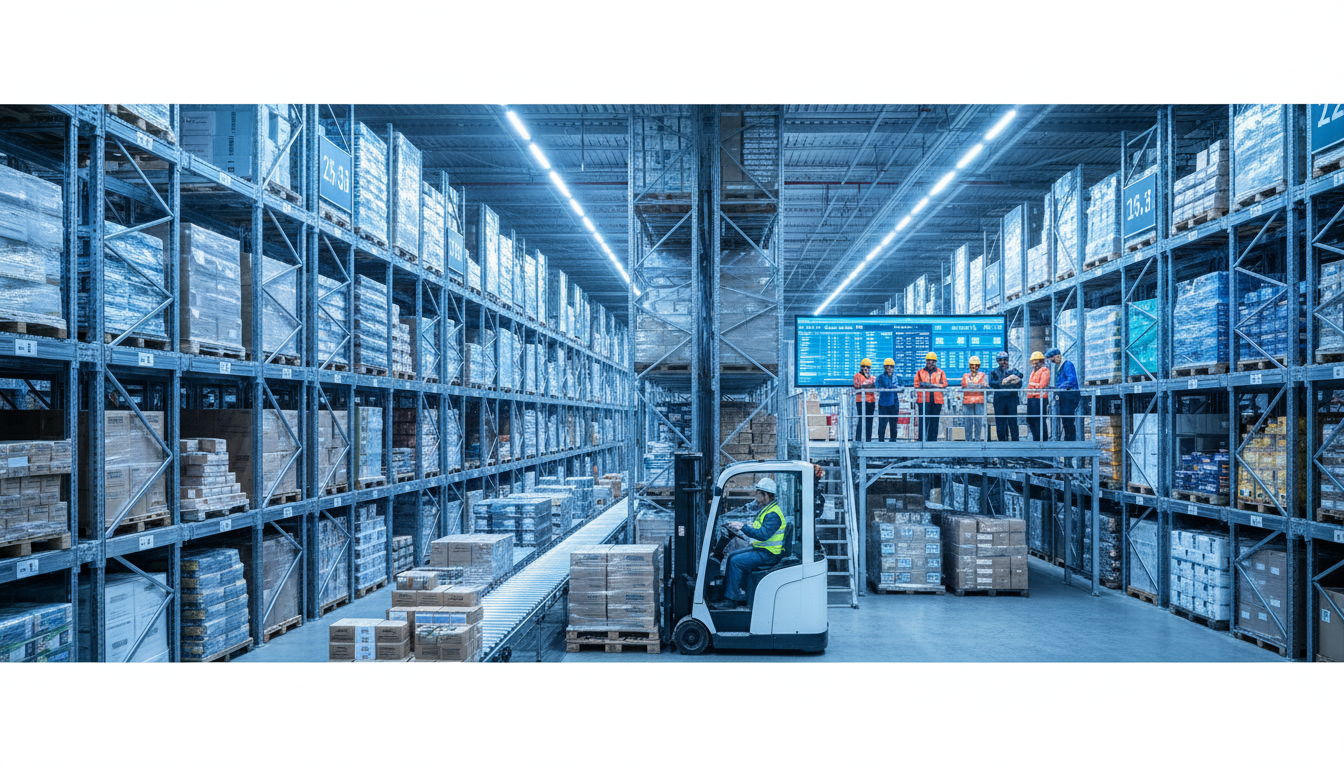
WMS for Cold Storage Facilities Transforming your facility from a cost center to a revenue generator isn't just a "nice-to-have"....

To provide operational excellence, Armstrong Dematic leads the way towards innovative intralogistics and warehouse automation solutions. Our transformations are based on Industry 4.0 solutions.
Follow us on:


