WCS vs WMS Explained
WCS vs WMS Explained Warehouse tech is an endless stream of acronyms. From WMS to WCS to ERP, the jumble...



Selecting the right automated storage and retrieval system (ASRS) vendor is the most important decision you will make regarding your warehouse automation project. The vendor holds the key to the delivery of your system on time and on budget, as well as ensuring your system achieves the expected benefits, runs with high availability over the life of the system, and is expandable to meet your growing business requirements. With the list of potential ASRS suppliers hovering between 30 and 40, how do you look past glossy brochures and charismatic sales pitches to choose a partner that is the right fit for your organization? The answer is this guide; it will lead you through the practical applications of an ASRS RFP process, guide you in selecting objective criteria for evaluating potential suppliers, and provide several case study examples of successful warehouse automation projects.
Your investment in ASRS isn’t exactly small change, is it? Not just because of the money you’re committing upfront but also because you’ll be married to the technology provider for 10, 15 years, probably longer. Get the decision wrong, and it’s not just your ROI that will suffer. The wrong ASRS vendor will cost you extra in downtime, plus the additional software and engineering fees you’ll need to keep hitting your productivity numbers. Worst of all, your shiny new automated warehouse will underperform and your ROI will be pushed back 8, 12 years, if you ever reach it at all. But how do you get it right? Smart ASRS procurement starts with knowing that the guy with the cheapest quote never delivers the best long-term value. Then you just need to find a supplier who knows your industry, will be around whenever you need them, and isn’t going to buckle under the pressure as your business grows.
In defining your requirements and developing an ASRS RFP (Request for Proposal), start by focusing on your existing operation, strategic business drivers, and the key challenges they foresee over the next 10 to 20 years. Additionally, you’ll want to consider how well a system will adapt to omnichannel demands and increasing SKUs in the future. From there, the document should guide you and your bidders through a clear analysis of your business case. Beyond the traditional right-sizing factors of inventory profile, order profile, and space, there are often less-obvious requirements and rack-supported structures needed. New technologies like shuttle systems, put walls, and pick-to-light are examples of automation components that might affect the structure and vendor partner you select to respond to your ASRS RFP.
Here are rephrased instructions: Talk to no vendor before you lay out your precise requirements. Begin with what hurts right now. Is it low workforce availability, high error rates, or lack of space? How many units must you be able to process and store and how many orders must you be able to fulfill daily at a minimum? What are the peaks? Which and how many articles do you handle in your warehouse? This might be numbers, but other things are typically more important. With this basis, you can formulate and describe your objectives in a request for proposal and the responding salespeople can be sure that their replies will be realistic. You will be amazed at how many systems do not meet your requirements because nobody, including you, ever clearly articulated them.
Think about what you need to achieve, what you need to store, what you want to spend, and what would break your heart. For instance, do you need to store raw materials with a high volume but low SKU rate, where inventory management is your key challenge? Is it finished goods inventory that demands high throughput? Or is it WIP inventory balance across multiple production lines? What’s the impact of aerodynamic loading docks on your operations? How much are you paying for the cubic air in your building now? How many additional loads could you ship if staging were more efficient? What’s the cost of forklift damage to product, equipment, and the facility?
Are you looking to automate your facility or expand upon existing automation investments? With so many options available today, let’s take a look at how to choose the right Automated Storage and Retrieval System vendor for your business. From unit load systems that handle pallets and large containers; to mini-load systems that work with totes and cartons; to vertical lift modules (VLMs) and horizontal carousels that manage a variety of products in a compact footprint; ASRS technologies themselves have changed and improved. What doesn’t change? The fundamental reasons for investing in ASRS in the first place: minimized labor costs, optimized floor space, improved accuracy and inventory control, and increased throughput. The question is: What technology is the right fit for your unique workflow?
What’s the financial health of the vendor? Look at profitability, revenue growth, and the priorities for using any capital raised. Ask about the background of key investors, do they have a short-term focus, or are they in it for the long term? How does the vendor make a profit: building and selling systems or aftermarket support, including for third-party systems? What’s the ratio of engineering to customer service staff? You don’t want all the resources going to product development with few left to support customers after the sale.
How do you know your prospective vendor is financially stable? Do you look to Dun & Bradstreet for a credit score? And what about presence in the market? Do you simply count the number of years a vendor has been in business and hope size equals stability? Questions and verifiable answers that place the burden on the vendor to prove its financial and market viability are the only rational grounds for beginning a relationship that you hope will last 15 to 20 years. A vendor is either willing and able to be forthcoming with the requested financial information and business details, or they are not and you know all you need to. Because you are entering a marriage , think quarrelsome 15-year-old boys or finishing school for girls , and that’s enough.
Industry Experience and Expertise
The difference between a great vendor and a mediocre one comes down to industry-specific experience. They know the regulatory requirements, challenges, and workflow patterns associated with the handling and storage of pharmaceuticals, cold storage, automotive parts, etc. A generic vendor won’t have this insight. Look for vendors who can share a track record of delivering solutions to companies in your industry. Ask for a reference from a customer who faced a similar challenge, and a vendor from whom you are now requesting a proposal. This can help you feel more comfortable with the decision you are about to make.
Customization Capabilities
For example, in one highly specialized use case, a warehouse had to rotate products every few years; that required the installation of forklift turners inside the AS/RS. In another case, an extremely large, heavy item had to be handled, requiring complex hydraulic systems. Neither of these examples could be easily automated because of the special needs; but it was less expensive and disruptive to automate the rest of the warehouse. A capable vendor should have the experience and confidence to suggest when (and why) a standard product solution is more effective than a custom approach. The goal is not more automation; it’s the right level of automation.
Common Mistakes to Avoid
Too many companies get tunnel vision and apply critical thinking only to the cost to acquire automation, forgetting to consider the longer-term costs to own and operate it. AMRs (or ASRSs for that matter) will have ongoing maintenance costs and consume electricity, and directly contribute to the total cost of ownership is how reliable the system is. The less reliable, the more maintenance it will need and the more likely it will suffer downtime that disrupts operations and might add expediting fees if critical orders are delayed. The vendor’s training program and documentation support will directly affect how well your staff operates and cares for the system once it’s in place. Changing people’s habits is hard work, and the more complex the technology, the more effort must go into training and support through the transition and beyond. The emotional cycle of change demonstrates clearly why vendors with strong support will ease the strain on your team.
Final Thoughts
Choosing an ASRS vendor to trust with your warehouse operation’s future can be daunting. But it doesn’t have to be. A structured approach and proper planning using the right ASRS vendor checklist, along with an intentionally detailed warehouse automation RFP, arm you with the ability to determine the quantity and quality of the ASRS vendors capable of meeting your unique business requirements. Ignore the fluff, the slick salespeople, and well-rehearsed presentations. Cut to the chase. Who has the ASRS vendor capabilities, experience, and infrastructure to truly deliver? This guide explains exactly what to look for , and what to avoid.

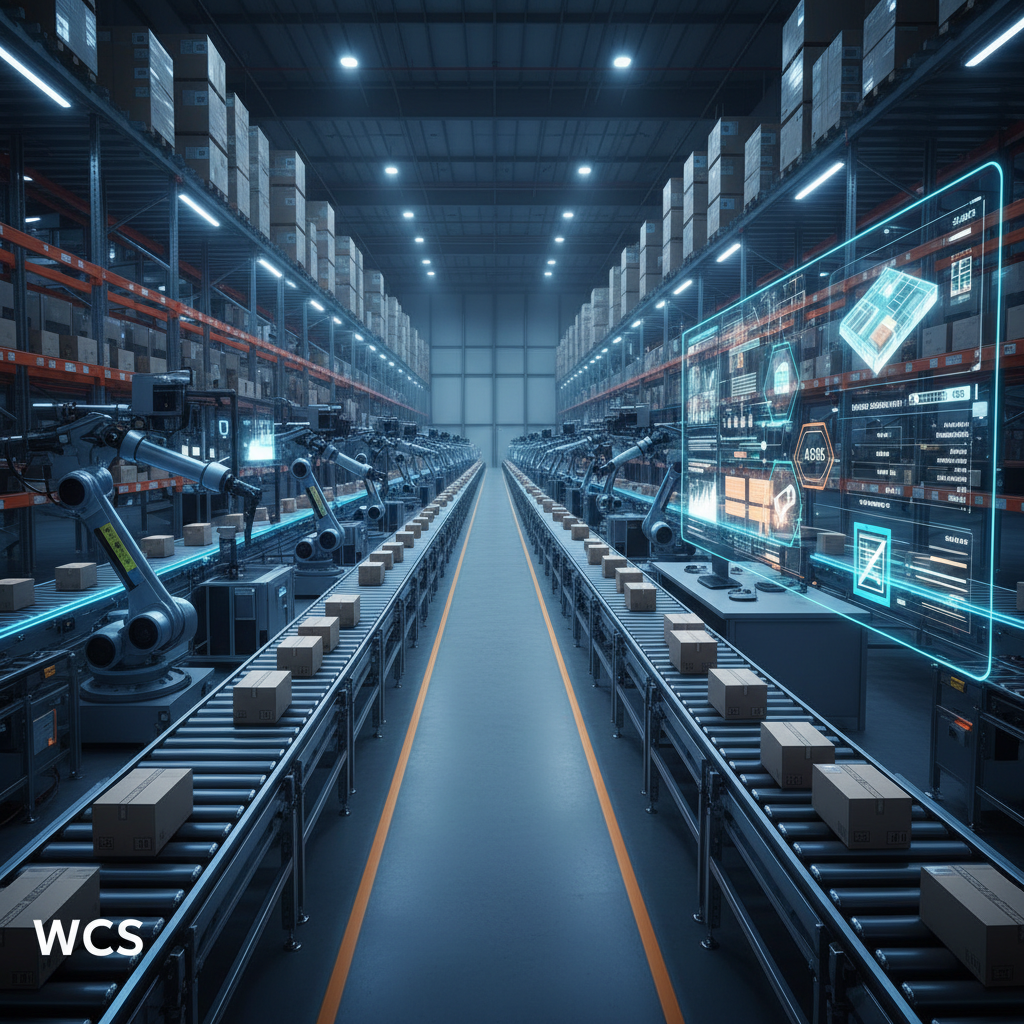
WCS vs WMS Explained Warehouse tech is an endless stream of acronyms. From WMS to WCS to ERP, the jumble...
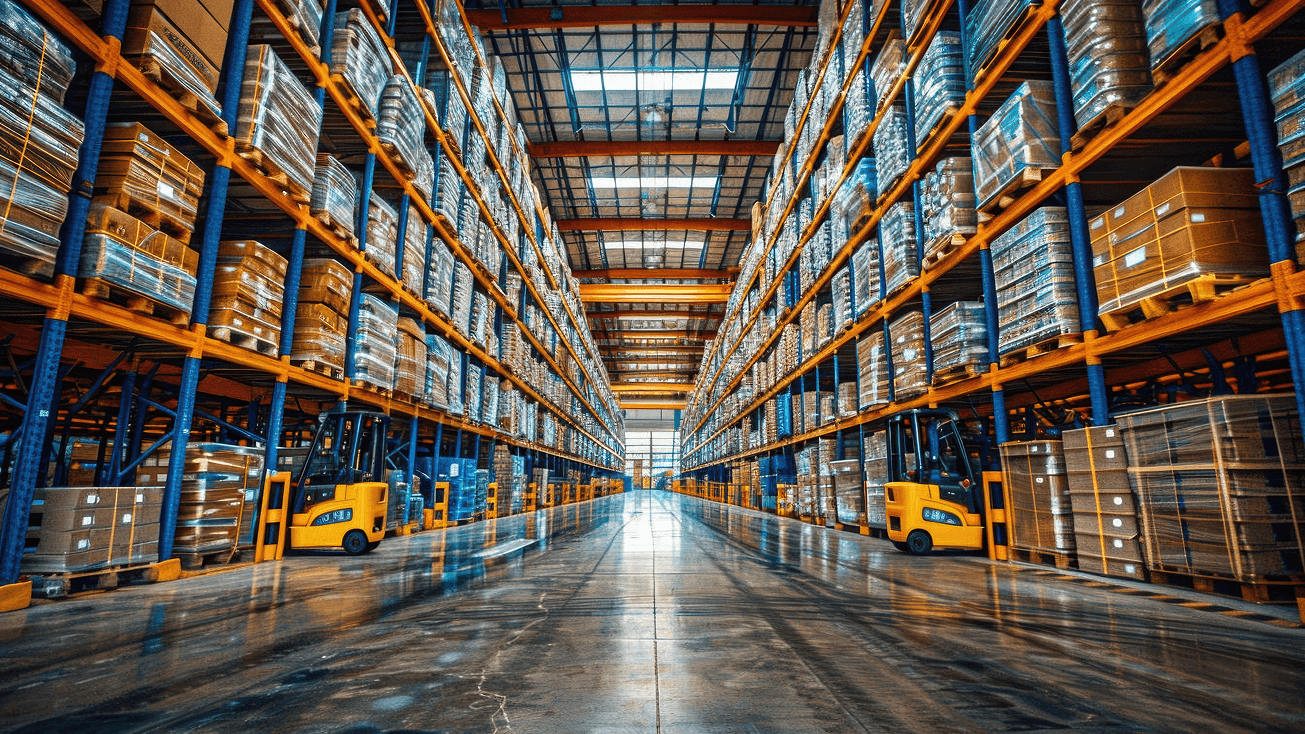
If you’re unsure whether you’ve reached that tipping point, here are five clear signs your warehouse needs automation now and
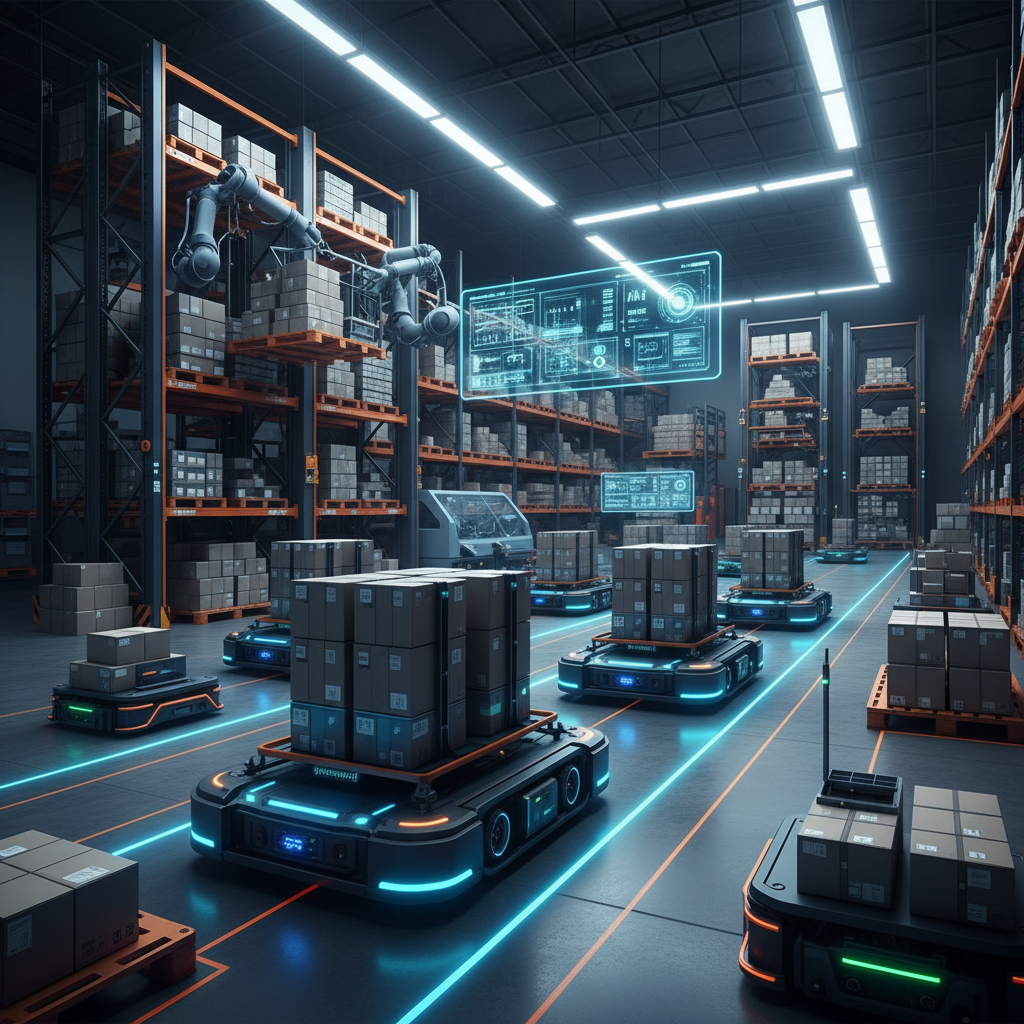
Automated Guided Vehicle (AGV) Systems Guide An automated guided vehicle is one of the helpful technologies in modern warehouses and...

To provide operational excellence, Armstrong Dematic leads the way towards innovative intralogistics and warehouse automation solutions. Our transformations are based on Industry 4.0 solutions.
Follow us on:


