Why Stretch Wrapping Automation is Ideal for Your Business
In the grand scheme of things, packaging might seem like a minuscule part of the operations. However, your goods need...



Deciding to automate your warehouse is a significant first step toward industry-leading efficiency. But who should you partner with, and what level of automation makes sense? The wrong choice can and will have disastrous impacts on your operation, from decreased productivity and increased downtime, to wasted time and missed order dates. The right decision, made based on data and with input from experienced warehouse operations and automation experts, can result in better throughput with fewer errors, minimized maintenance concerns, and future-proofed designs so that your solution can grow with you. That’s where we come in. Read on.
An RFP might be 10 to 50 pages long or more. In general, a good warehouse automation RFP includes the following sections: 1. **Introduction:** Explain who you are, what you do, and why you need an automated solution. Indicate the scope of the project, your budget, and how you plan to award the contract. 2. **Company Background and Qualifications:** Vendors need to know if they qualify to do business with you. 3. **Operational Requirements:** Describe what the automated system needs to do, not how it needs to do it. 4. **Technical Requirements:** Here’s where you get specific about the technology you expect. 5. **Evaluation Criteria:** Describe how you will score each vendor’s proposal. 6. **Timeline and Deadlines:** Let vendors know how much time they have to respond and your timeframe for making a decision. 7. **Terms and Conditions:** Any special terms or conditions vendors need to be aware of? Make sure you’re not asking for more than you should if a vendor’s system doesn’t work as expected. 8. **Signature Block/Witness Line:** Contractor signature and witness lines. This can be a legal document (especially if it’s an official bid for public sector work) so you might want your lawyer to handle that part.
Automation projects often overrun budget and timeline because costs are underestimated at the beginning. With an RFP, you can easily keep track of costs. Not just for the solution itself, but also the resources you need to devote, both during implementation and once it’s up and running. An RFP helps you specify the ideal profile your vendor should fit. Being too late or inadequately staffed right from the kickoff can quickly become bottlenecks. A well-structured RFP will reveal if a vendor has the required resources available, or if they would have to reallocate capacities along the way. That’s crucial, as it can delay or even endanger the entire project if your vendor is overbooked or can’t provide the required skills.
Let’s start with an executive summary. Who are you, what do you do, and why are you considering automation? Include your size, order volume, and growth projections. Then outline your pain points. Labor, accuracy, space? Where does it hurt? Vendors need to understand the problem before we can propose a solution. Finally, describe project scope. Are we automating one process or your entire warehouse? Pallet storage with ASRS, picking with AMRs, or both? What’s non-negotiable versus desirable? The clearer you are, the more targeted our responses will be vs. just slinging brochures your way.
Paint a picture for your child. Explain why you have to toss a ball to yourself 50 times a day to make the team, or why you need to practice the flute 30 minutes every morning if you want to get better. As parents, we have an All-Star image in our minds (and hearts) of our children making the team or mastering the instrument. The hard part is helping kids see that image when the reality is so far away. With enough vivid detail and heartfelt enthusiasm, they just might catch a glimpse.
Automation Requirements
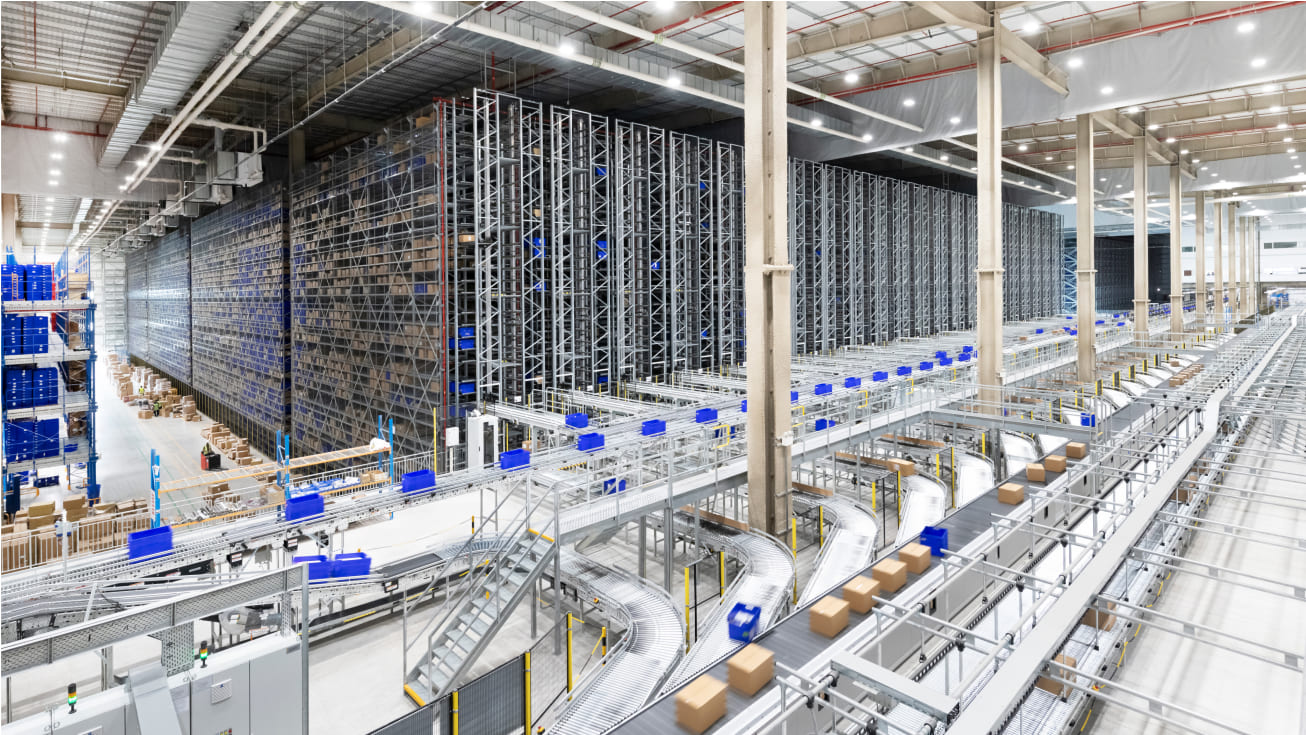
What are your technical and operational requirements? Do you need real-time inventory information? Must the system be directly linked to your ERP environment? The more details you can provide regarding your technical and operational expectations, the more accurate the responses from your potential suppliers will be. This is also a chance for you to identify any “must” requirements, such as picking accuracy that must be greater than 99.9%, or the need to process an anticipated 500 orders per hour., If you are considering AS/RS solutions, outline what you believe your required storage density is. If more frequently accessed items will be set aside in an ergonomic work cell, parts will be retrieved on an automated guided vehicle, or whether a mini-load crane and a man-aboard lift truck are more conducive to your operational requirements. What levels of safety compliance must be met, and is fire protection an issue , including water contamination from fire suppression systems? If you are looking at an AMR solution, how complex are your pick paths and how do orders tend to cluster? Do you expect your fleet to be busier during a particular shift? Most solutions provide several energy-saving features, but are there any specific requirements in your facility that vendors need to be aware of? Most vendors will assume that their systems are designed to be installed in a typical light industrial environment which is clean. But what happens if your warehouse is cooled to -30 ̊ or heated to 130 ̊? What if batteries can’t be recharged in the area without an explosion-proof environment, or if washdown is a daily occurrence?
Evaluation Criteria
Let vendors know your process. For instance, we follow a structured methodology at enVista that begins with current-state assessment. We look at orders for the busiest days over the past year to understand your order profile. This data is key to sizing the system and estimating your labor savings. We also interview your team to understand how you operate. The next step is solution design. We provide recommendations based on how you run your operation and on best practices. This isn’t cookie-cutter; we consider details such as how you handle back orders, your seasonal volume fluctuations, typical order sizes, and any forks and clamps needed for oversized loads. Then comes implementation: we have all the equipment and bolts on site and run parallel paths to compress the timeline. Upgrades and optimization: we don’t have proprietary parts, so you won’t face hefty upgrade costs down the road.
Conclusion
A good RFP can be the foundation for a great partnership. It can help ensure that responding vendors clearly understand your requirements and constraints, offer you potential solutions that will actually work, and ultimately give you a solution that meets your expectations. If you also want to be able to compare proposals from multiple vendors, then including as much detail on the ASRS and AMR as you can in the RFP is important. Finally, if you want to protect your investment with any new equipment, also asking for a detailed calculation of the payback period is valuable.


In the grand scheme of things, packaging might seem like a minuscule part of the operations. However, your goods need...
The idea of a Lights-off warehouse has left no stone unturned for quite some time now. Until yesterday, it seemed...

AGV ROI Calculator Guide Warehouse automation no longer remains a boardroom dream. It's a shop-floor reality for material handling in...

To provide operational excellence, Armstrong Dematic leads the way towards innovative intralogistics and warehouse automation solutions. Our transformations are based on Industry 4.0 solutions.
Follow us on:


