Vertical Conveyors for Warehouse Automation
Vertical Conveyors for Warehouse Automation Expanding Upward: Using Vertical Space in Modern Distribution Hubs When the floor space in your...


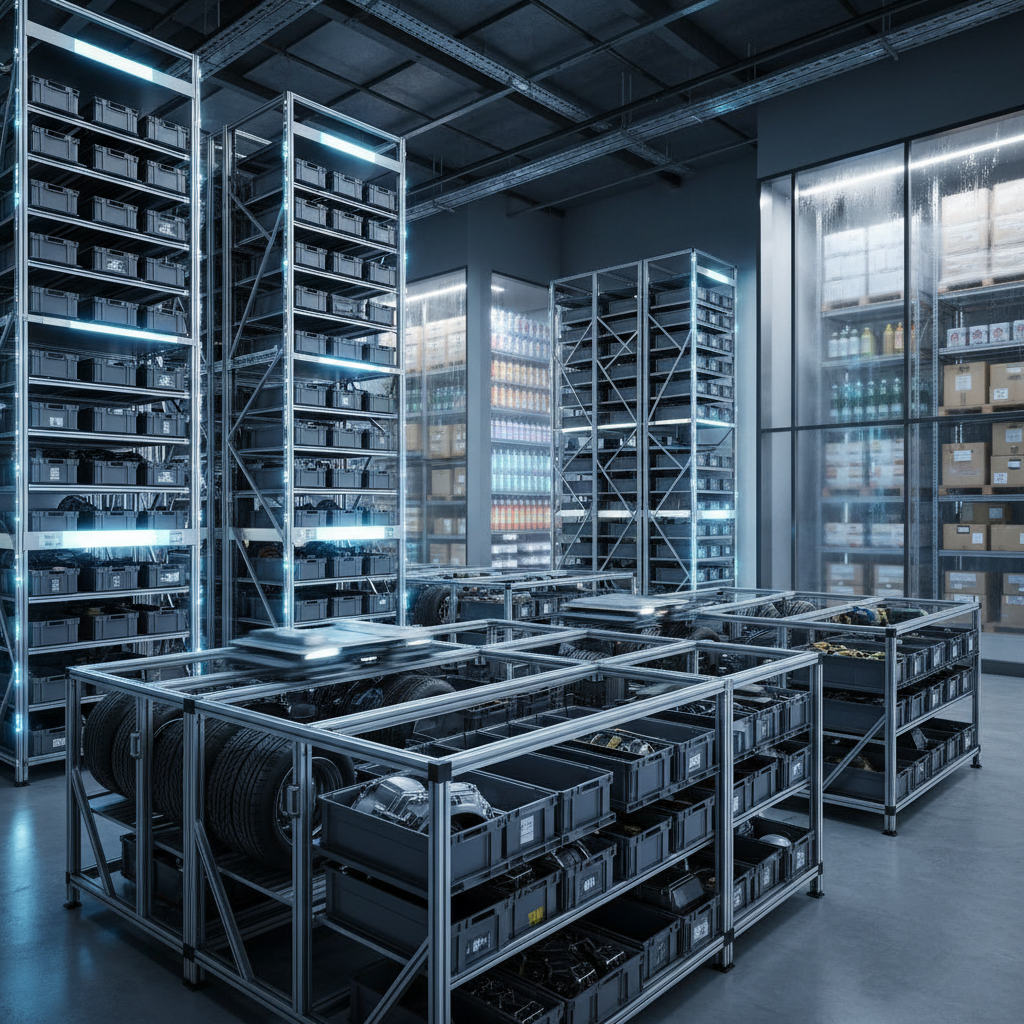
The automotive industry is no stranger to automation. It’s been making robots and machines do the work of people since the 1960s, often in confined, human-less cells toiling at dangerous or dull tasks. ASRS takes that same principle and blows it up to the scale of an entire warehouse or distribution center. Think of it as a giant vertical and horizontal chessboard operated by robotic arms, shuttle vehicles, and cranes that can retrieve all manner of stock , from tiny nuts and bolts to engines, transmissions, and complete parts and even full pallets. If that sounds a little sci-fi, it is. But more importantly, it’s also fast, efficient, accurate, and safe in the right hands. Bugger the robots taking over the world; do you want to help them run your warehouse?
What’s more, the delicate parts and high-volume turnover inherent to the automotive industry make real-time inventory visibility an absolute must for a successful ASRS for Automotive operation. Keeping track of millions of dollars in inventory spread out over thousands of part numbers in dozens of locations, probably across multiple sites and in transit between them, using pencil and paper or a barcode scanner is a fool’s errand. Manual tracking simply can’t keep up with the dizzying number of transactions modern factories process every day. Learn how ViewScan’s real-time part-level inventory tracking gave this automotive giant crystal clarity into their high-speed manufacturing process.
Speed is of the essence, sure. But automotive part manufacturers must be 100% confident they’re picking the right part, every time. The consequences are too severe. An AS/RS tower will give your part warehouse maximum storage density, but if the wrong muscles are in place, you’re in trouble. Modern ASRS automatically scan every item and verify the order is accurate before human operators ever touch a thing. Without real-time, error-proof verification, a mountain of inventory will eventually grow a bottleneck.
The solution is an automated material handling system. For carmakers, these systems transform thousands of decisions and movements a day from manual and disconnected to automatic and flowing. Changes made upstream are immediately reflected downstream, and vice versa. A car is not a car until the final part is installed, meaning a late change at the end of the assembly line can slow the entire plant. An automated system facilitates lean manufacturing by regulating the steady flow of parts, smoothing the production process.
With ASRS, the entire warehouse is managed by a sophisticated control system, with operators only responsible for monitoring. You’ll know in real-time exactly what’s in storage and what’s moving. Stock gets cycled far more frequently with ASRS, which can lower your inventory costs. Wasted space due to overstocking or storing slow-moving items is minimized with the ASRS as well. Most important of all, workers aren’t put at risk to retrieve heavy or high items. Injury rates decrease and automation developers are increasingly making it easy to program the ASRS to gather the parts needed and deliver them to where a worker can easily load or unload them.
JIT manufacturing is based on one simple reality. If you expect production to run as smoothly as a box set streaming on a Saturday morning, then you’d better make sure you’ve got the engine mounts to keep the assembly line purring. They don’t have to be piled up elbow-high in your engine bay, but they do have to be there the second they’re needed. So how does that work in the real world? Well, it’s easier said than done. But by leveraging Automated Storage and Retrieval Systems (ASRS), you can achieve replenishment cycles of less than an hour, with inventory accuracy levels approaching 100 percent. With those kinds of numbers on your books, you’re in a good place to meet your JIT goals.
JIT also demands flexibility. Production schedules shift daily to accommodate customer orders, engineering changes, and supply disruptions. ASRS adapts in real time, re-slotting inventory based on current demand patterns and prioritizing urgent picks. Armstrong DematicLtd integrates ASRS with ERP and MES platforms, so every system speaks the same language. The result is a dynamic, responsive supply chain that can pivot without chaos.
Warehouse automation connotes a system that’s essential to meeting the needs of a rapidly growing business world. It’s only partly true. ASRS is the not-so-secret weapon of many healthy, well-established companies, it’s quietly beefed up their bottom lines year after year while aging gracefully itself. What else can you say that about? It’s a good long-term bet.
The elephant in the room is always the cost. Investing in an ASRS system is not insignificant. But the “total cost of ownership” argument for ASRS over manual facilities gets more compelling each time labor rates rise. And I’m not talking just about the direct expenses of salary and benefits. Workers’ comp claims increase with headcount, as do maintenance and repair costs for equipment constantly on the move. What’s less obvious but no less real are the opportunity costs of valuable space (both horizontal and vertical) wasted on aisles, ladders, and bulky lift trucks. It’s a balancing act, but if you’re vigilant about fostering a safety-first culture and controlling workers’ comp claims and premiums, you might find the upfront savings help justify the monthly mortgage. Which, by the way, probably wouldn’t be necessary were your highly vested workers suddenly injury-free.
Tailored ASRS Solutions for the Auto Components Industry
Every vehicle manufacturing plant is unique, from the kinds of parts produced and assembled, to the bays and lines used for production, to the sequence and timing of parts required for each vehicle rolling off the line. To maximize efficiency and minimize costly floor-space usage, Armstrong DematicLtd’s custom-designed shuttle and crane ASRS are easily configured to the building envelope and the part numbers/SKUs throughput min-max commitments in your contract.
Accelerate Your Automotive Supply Chain Efficiency
The automotive sector shows no signs of slowing down. Electrification, autonomous features, and global competition, will continue to push every OEM and supplier to do more with less. The transition to electric likely means fewer parts, but the number of various parts will increase due to product proliferation from conventional to hybrid-electric models. And regardless of vehicle type, competitive and volatile market dynamics will drive demand for even more agility throughout the supply chain. This, in turn, fosters the need for an ASRS solution for Automotive. If the benefits are clear let us highlight some key trends that are driving this change: • Competitive OEM and supplier: To maintain current business and acquire future contracts, you must control costs at every corner while ensuring top product quality. • Labor shortage: Automotive manufacturing requires a diverse, technical labor force that can be hard to source and expensive to retain. • Space constraints: With production and distribution hubs often land-locked, both are forced to do more with less space. • Accuracy: Both OEM and supplier must account for 100% of parts to meet quality standards and protect margins. Avoiding chargebacks is crucial. • Just-in-Time (JIT): A requirement for every player in the supply chain featuring a tight window for ROI on any solution. • Scalability: Higher volume expectations create a similar need for ASRS that can grow with the business. ASRS is no longer a solution just for the mega-plants, but rather a necessity for the regionally located supplier.

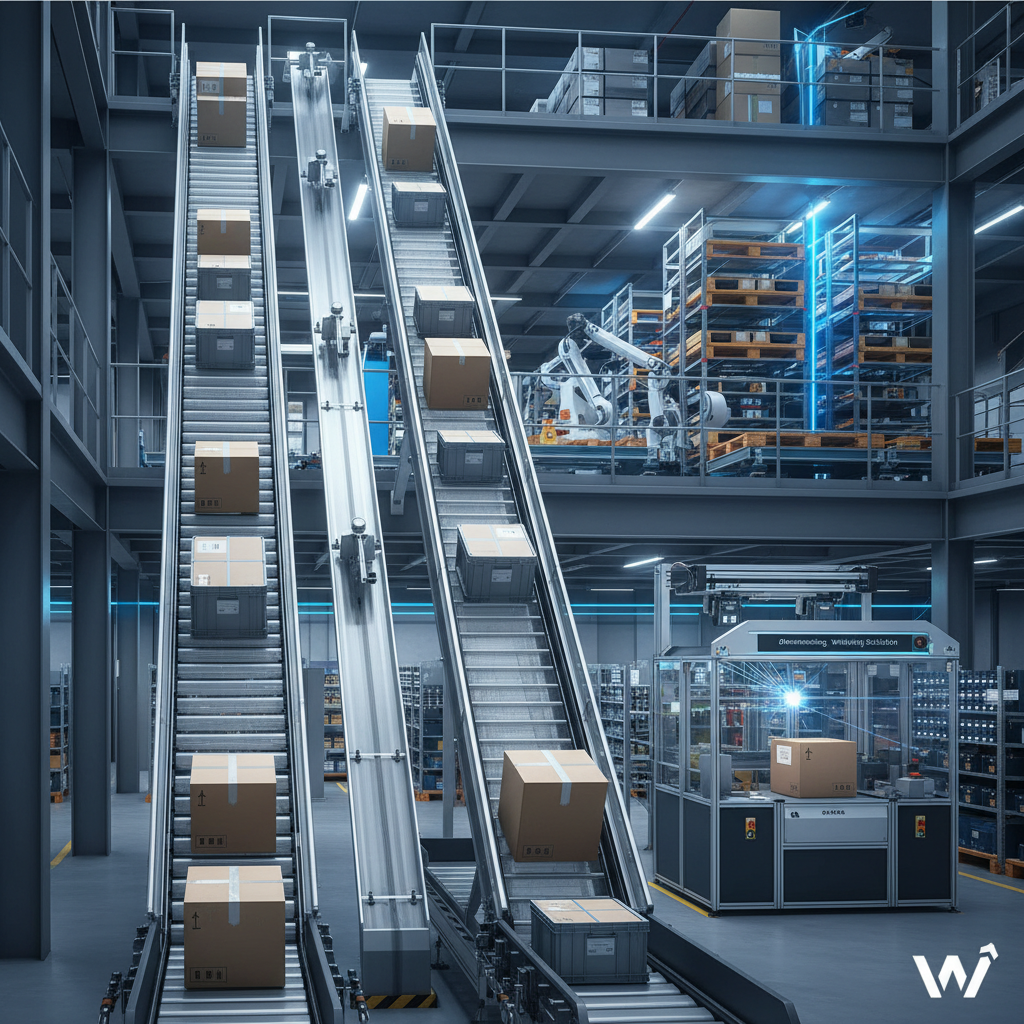
Vertical Conveyors for Warehouse Automation Expanding Upward: Using Vertical Space in Modern Distribution Hubs When the floor space in your...
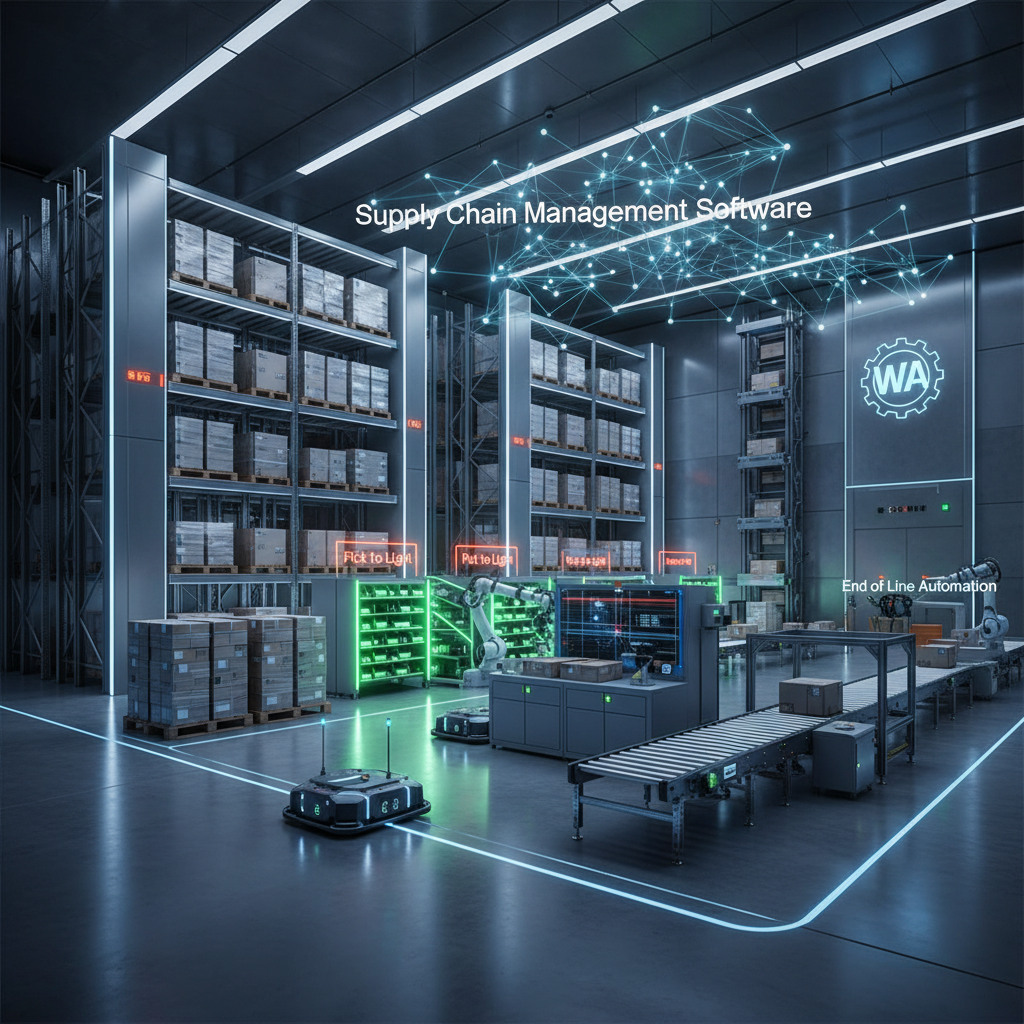
Smart Storage Systems for Modern Warehouses Moving Beyond Traditional Static Pallet Racks In todays world the old way of storing...

Are you tired of manual handling and storage inefficiencies? Look no further, as the ASRS Storage System revolutionizes storing and retrieving goods...

To provide operational excellence, Armstrong Dematic leads the way towards innovative intralogistics and warehouse automation solutions. Our transformations are based on Industry 4.0 solutions.
Follow us on:


