The Ultimate Guide to Industrial Storage Racks
Industrial storage racks have become an inseparable aspect of many sectors, assisting firms in storing items and improving their operational



If you’re unsure whether you’ve reached that tipping point, here are five clear signs your warehouse needs automation now—and what you can do about it.
You're keeping the operation running. Orders are going out, staff are showing up, and somehow—through sheer willpower and muscle—you're meeting your targets. But underneath that surface, something feels unsustainable.
Maybe your error rate is creeping up. Maybe you've lost three good warehouse managers in two years. Maybe you're renting overflow space you weren't supposed to need.
If any of this resonates, you're not alone—and you're probably closer to the tipping point than you think.
Warehouse automation isn't just for global giants with unlimited budgets. Today, it's a practical, proven strategy for operations of all sizes that want to reduce risk, control costs, and build a supply chain that actually scales. The question is: how do you know when the time is right?
Here are five clear signs your warehouse needs automation—and what to do about each one.
Labor is the single largest cost driver in most warehouse operations—typically 50–70% of total operating expenses. And in today's environment, it's only getting more expensive. Wages are rising, turnover is high, and finding reliable staff for repetitive picking, packing, and sorting tasks is harder than ever.
If you're constantly hiring, retraining, and backfilling roles just to maintain output, you're running a people-dependent model that gets more fragile every year.
Automated systems—AMRs (Autonomous Mobile Robots), goods-to-person picking stations, conveyor sortation systems—take on the repetitive, physically demanding tasks that drive turnover. Your people shift toward higher-value roles: quality control, exception handling, supervision, and complex decision-making.
The result isn't just cost savings. It's a more stable, more capable workforce supported by reliable technology that doesn't call in sick.
At Armstrong Dematic, every solution starts with a genuine understanding of your cost structure. We don't propose automation for its own sake—we propose it when the numbers make sense for your business and your people.
One mispick is a problem. Hundreds of mispicks a month is a crisis. In an era of next-day delivery expectations and zero-tolerance return policies, warehouse errors don't stay internal—they become customer service nightmares, chargeback incidents, and brand damage.
If your team is manually picking from dense shelving, managing paper-based processes, or relying on handwritten confirmations, errors are baked into your system by design.
Modern warehouse automation solutions — including barcode scanning, RFID verification, pick-to-light systems, and automated goods-to-person workstations—eliminate the most common sources of human error. Real-time verification at every touchpoint means that by the time a box is sealed, its contents have been confirmed multiple times.
Accuracy rates above 99.9% are standard in well-designed automated warehouses. That's not a marketing figure—it's an operational reality.
Armstrong Dematic designs systems that work in real life, not just on paper. Our solutions are battle-tested across diverse industries and environments, so the accuracy improvements you see in a proposal are the ones you actually experience after go-live.
Growth should be a good problem. But when your warehouse is bursting at the seams, growth becomes a capacity crisis. You're stacking pallets in the aisles. You're renting expensive off-site overflow space. You're turning down orders because you genuinely don't know where you'd put the inventory.
Expanding your footprint is expensive and slow. Building or leasing a new facility can take years. And in the meantime, your competitors are shipping faster from smarter facilities.
Warehouse automation fundamentally changes your relationship with space. Automated Storage and Retrieval Systems (AS/RS), high-density mobile racking, and vertical lift modules can dramatically increase storage density within your existing four walls—often by 2–4x compared to conventional racking.
You don't always need more space. You need to use the space you have more intelligently.
Protecting your capital is a core value at Armstrong Dematic. Before we recommend a facility expansion, we'll show you what's achievable within your existing footprint. Many of our clients have doubled their storage capacity without a single brick laid.
Every warehouse has peaks—seasonal surges, promotional events, unexpected demand spikes. The traditional response is to hire temporary staff, push overtime, and hope the wheels don't fall off.
But temporary hiring is slow, costly, and inconsistent. Temporary workers take time to train and still make more errors than experienced staff. And every peak season feels like starting from scratch.
Automated systems don't slow down at 11 PM. They don't need onboarding. A well-designed warehouse automation solution scales throughput dynamically handling peak volumes without the chaos, costs, or quality compromises of seasonal surge hiring.
Beyond that, automation brings predictability. You can model throughput with confidence, set accurate delivery timelines, and make promises to customers you can keep—regardless of the time of year.
From concept to operation, Armstrong Dematic designs systems built for your peak, not just your average. We analyze your demand patterns before recommending any solution, so you're never over- or under-built for what your business actually needs.
If your warehouse manager needs to physically walk the floor to know what's happening in it, you're operating blind. In a data-driven business world, that's not just inconvenient—it's a strategic disadvantage.
Without real-time visibility into inventory locations, order status, and worker productivity, you're making decisions based on gut feel, spreadsheets, and hope.
Bottlenecks go undetected until they become breakdowns. Inventory discrepancies surface at audit time, not in the moment.
Modern warehouse automation solutions come integrated with Warehouse Management Systems (WMS) and Warehouse Control Systems (WCS) that give you a live, accurate picture of every movement in your facility. You can track inventory in real time, monitor throughput against targets, identify bottlenecks before they escalate, and make proactive decisions based on data.
Visibility isn't just about efficiency—it's about confidence. The confidence to promise customers accurate delivery windows. The confidence to make smart investments. The confidence to grow.
Armstrong Dematic's solutions are built for seamless integration with your existing ERP, WMS, and business systems. We're not just implementing technology—we're building an intelligent operation you can manage, monitor, and continuously improve long after go-live.
If you're nodding along to two or more of these signs, the question isn't whether you need warehouse automation—it's when to act, and with whom.
Waiting has real costs: continued labor challenges, compounding errors, capacity constraints, and competitive disadvantage. Every quarter you delay is a quarter your more automated competitors are moving faster, cheaper, and with greater accuracy.
But acting with the wrong partner—one who oversells capabilities, underestimates integration complexity, or disappears after implementation—carries its own risks.
That's why the choice of automation partner matters just as much as the choice of technology.

Armstrong Dematic has spent decades helping warehouse operators and supply chain leaders navigate exactly these decisions. We bring deep technical expertise, a proven portfolio of warehouse automation solutions, and a customer-first philosophy that means we'll only recommend what's right for your operation—not what's most convenient for us.
Our pre-sales consultation process is designed to give you clarity before you commit: a thorough assessment of your current challenges, a realistic picture of what automation can achieve in your specific environment, and a clear roadmap from concept to a fully operational system.
No pressure. No jargon. Just experienced professionals who want to help you build something that works.
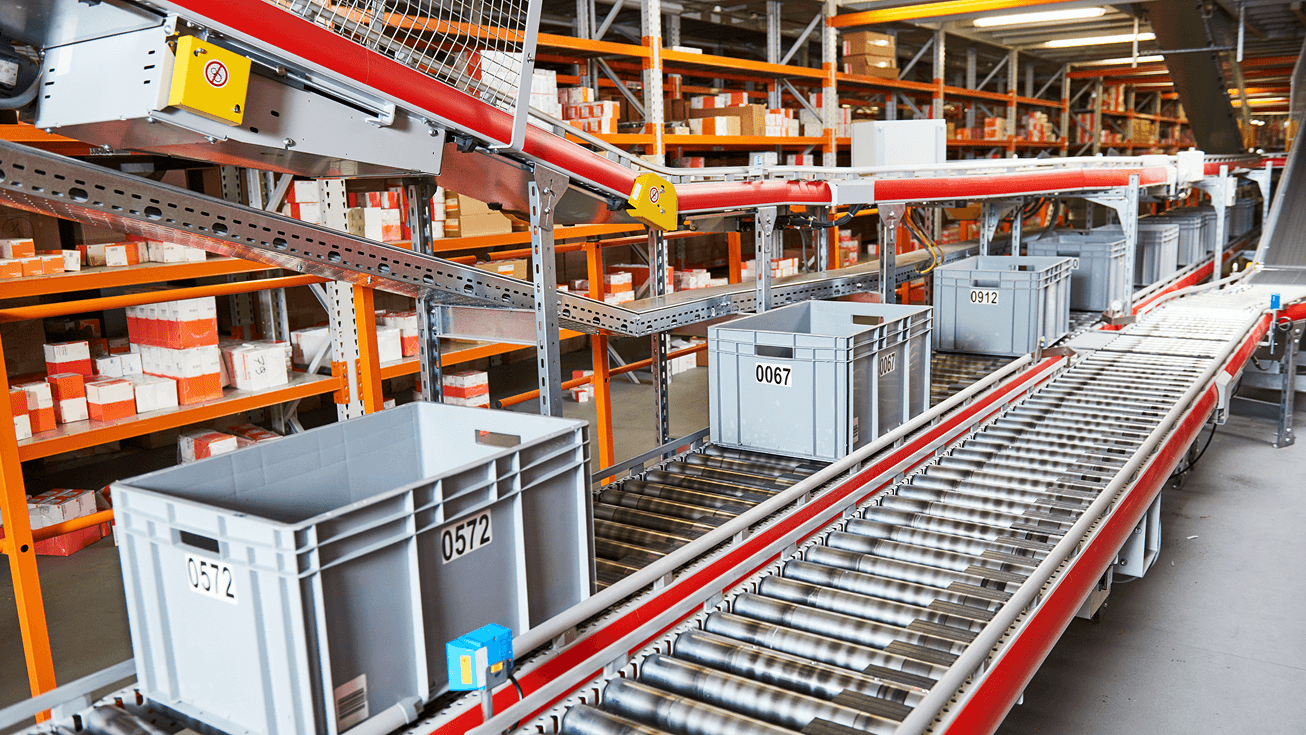
Industrial storage racks have become an inseparable aspect of many sectors, assisting firms in storing items and improving their operational
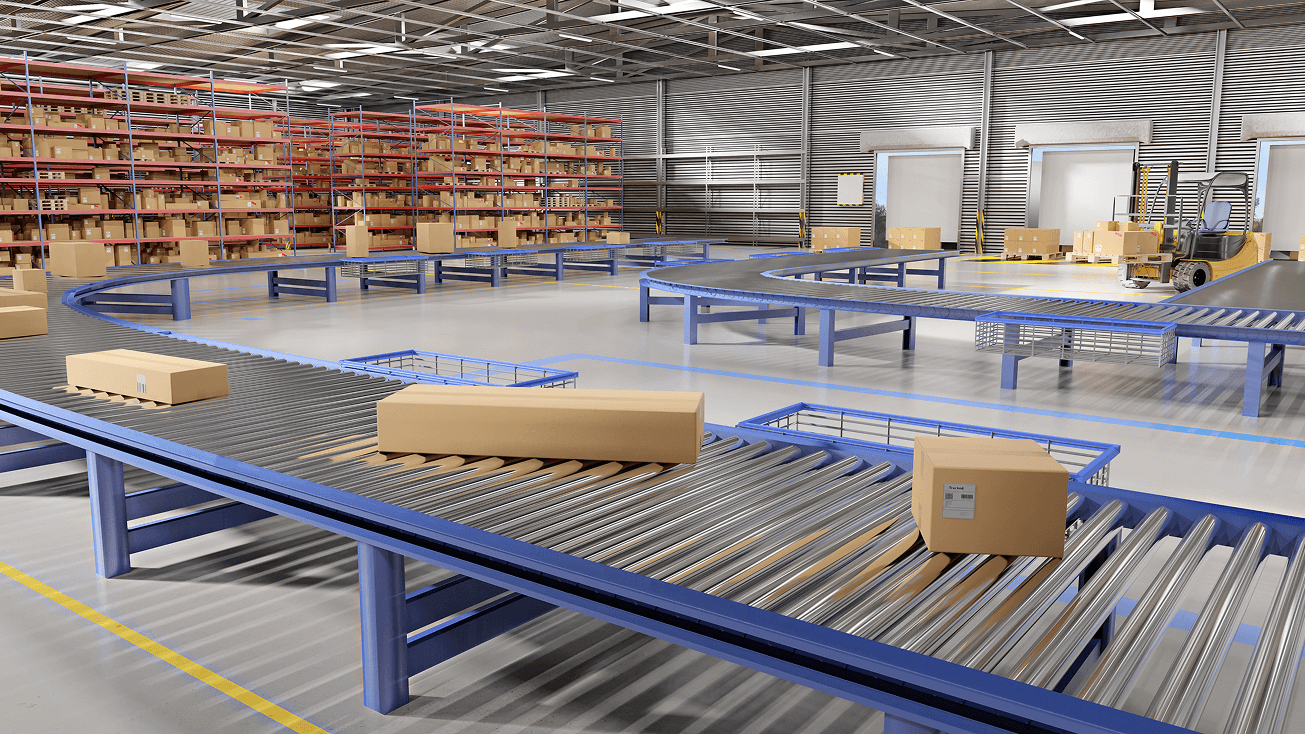
The warehouse automation landscape is entering a pivotal phase. Across industries—from FMCG to pharmaceuticals, e-commerce to automotive—businesses are confronting the
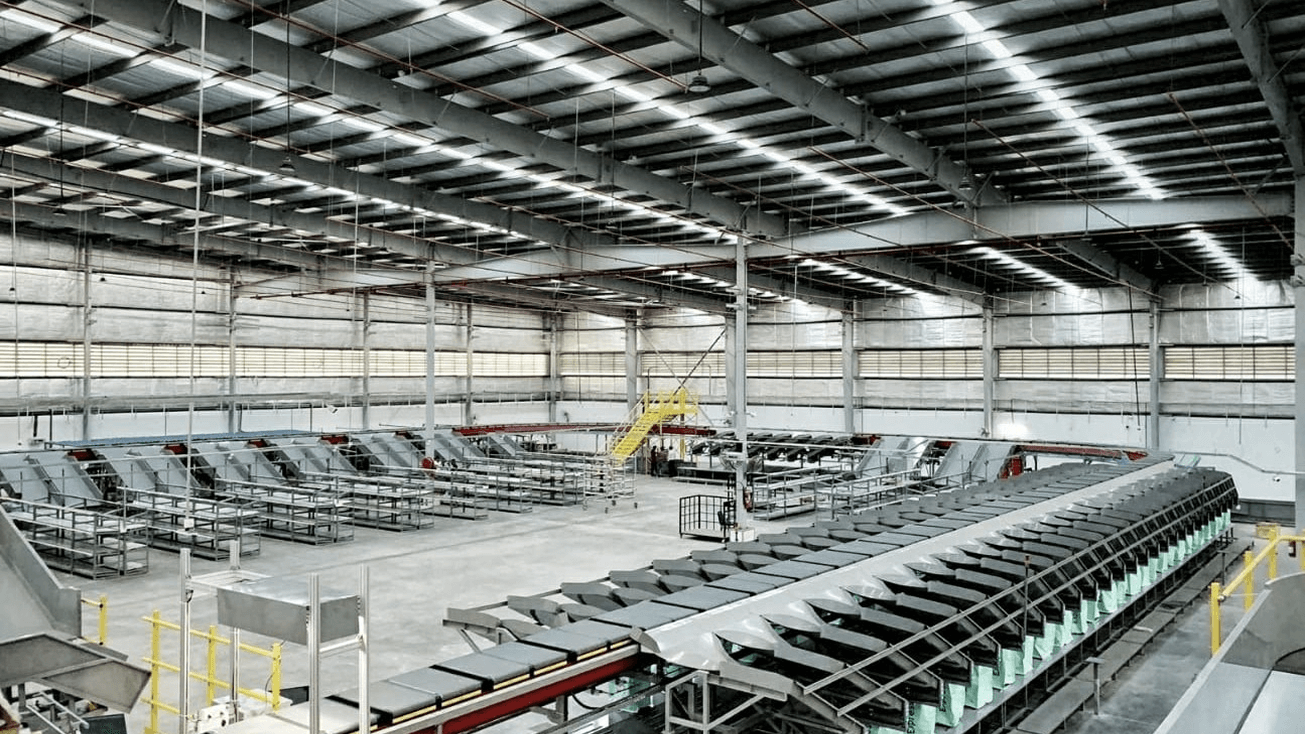
Across the world, intralogistics is moving through a decisive transformation. Warehousing is no longer a silent operational function hidden behind

To provide operational excellence, Armstrong Dematic leads the way towards innovative intralogistics and warehouse automation solutions. Our transformations are based on Industry 4.0 solutions.
Follow us on:


