ASRS Payback Period Calculator Guide
ASRS Payback Period Calculator Guide Warehouse automation fits most comfortably under the broad umbrella of technologies and systems that enhance...


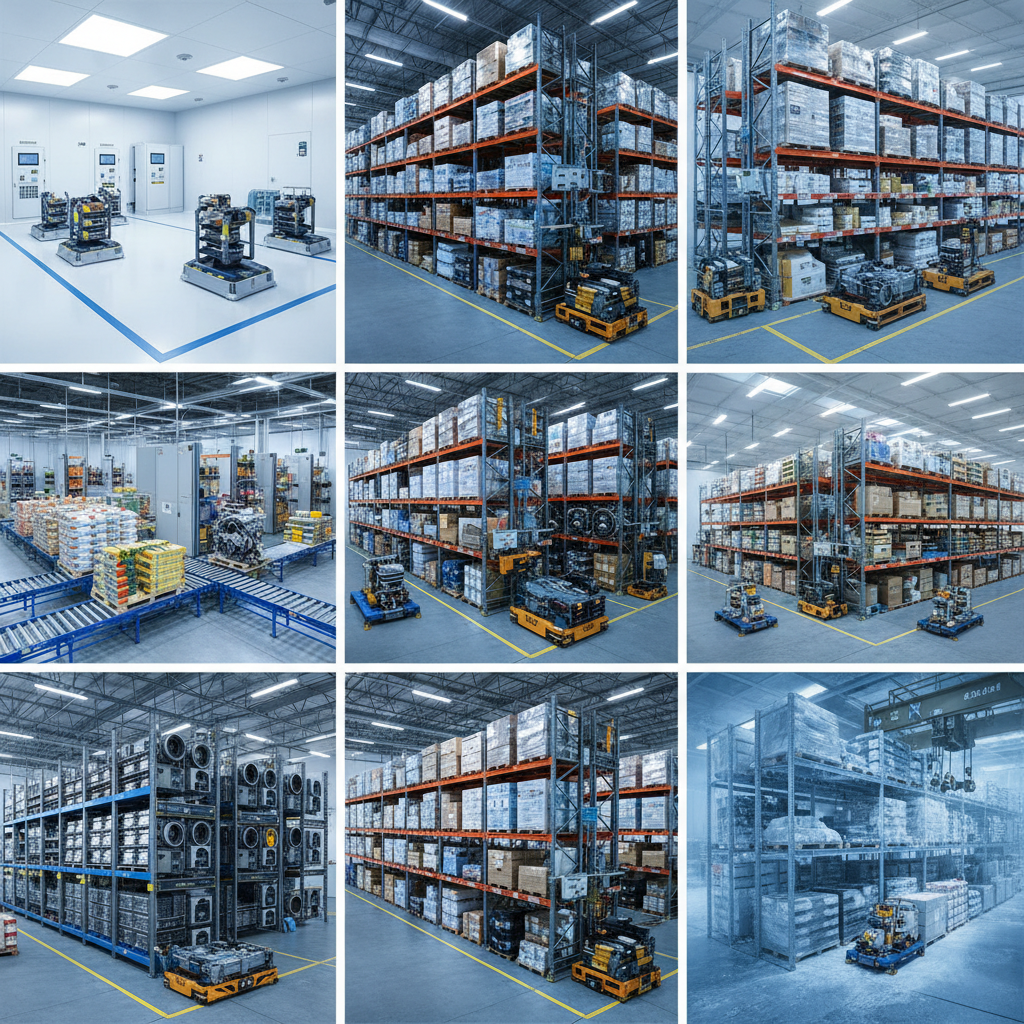
Are you familiar with FMCG warehouses? They literally have thousands of products, and products change regularly. They’re also under extreme pressure to slash costs and battle it out for shelf space in stores that have quickly become mini distribution centers for booming online shopping. With the help of ASRS, labor expenses can be cut by up to 2/3 and 70% more storage capacity can be crammed into the same size fulfillment center. These robots are absolutely incredible to watch in a hive warehouse!
Speed and precision are the defining characteristics of FMCG operations. Product lifecycles are short. Manufacturing lead times are tight. And delivery windows to retailers are even tighter. Any slowdown or error in your materials handling process and the customer has moved on to a competitor. Finding ways to make your FMCG warehouse operation faster, more accurate, and more efficient is critical. One common warehouse automation solution for FMCG is the Automated Storage and Retrieval System (ASRS) , particularly in cases where available space is at a premium. ASRS for FMCG makes optimal use of your vertical space by automatically storing and retrieving product from shelves up to 30m high. Your products are easier to track and locate in a more orderly warehouse that is made up of smaller aisles. Plus, your products are also more secure. More often than not, they are stored out of reach of human hands which can lead to product damage and theft.
Not only speed but more importantly, there is consistency in each and every retrieval following the optimized path, achieving first-in-first-out (FIFO) rotation for perishable or date-sensitive products. You find this critical in the case of fast-moving consumer goods (FMCG) categories such as dairy, snacks, and beverages, where expiry dates hold control of inventory rotation. Automated systems constantly monitor batch numbers and expiration dates, ensuring inventory control and accounting in real time. This eliminates stockouts and unnecessary waste, helping to create a more agile supply chain better prepared for changes in consumer demand and market trends.
The FMCG sector is characterized by high volume, low value, and fast expiry. These goods require rapid turnover and premium warehouse space to reach customers in optimal condition. FMCG also encompasses a broad range of product categories that vary in size, shape, and demand. From groceries and beverage to toiletries and cosmetics, each of these products has unique warehousing requirements. Pick rates are unusually high, with customers often ordering small quantities of multiple items. The high SKU count and high volume of movement present multiple challenges for warehouse operations. FMCG warehouses need to maximize their efficiency while maintaining quality at every step to avoid revenue loss. Errors in order fulfillment can lead to customer dissatisfaction, loss of trust, lost sales, and potentially severe penalties for late deliveries. For manual warehouses where human error is unavoidable, the stakes are high.
Fast-moving consumer goods, by their very nature, demand fast-moving supply chains. To get products from factory to retailer to consumer in the shortest possible time, every link in the chain must be optimized. Warehouse operations are a key focus area because they have the power to transform the entire distribution network. Manual storage and retrieval (amrs), despite often being stretched to maximum capacity can achieve only so much efficiency. Eventually, physical constraints and the laws of diminishing returns apply. How, then, can you reduce the time taken to pick, pack and ship orders, while minimizing the floor space required and eliminating the potential for human error?
It’s not only the physical constraints that automation can alleviate, but the ever-tightening labor market that challenges warehouse economics. Wages alone can account for 65%, 70% of distribution center costs. Plus, there’s a 36% turnover rate among most 3PL and 1PL workers, adding $6,000 or more in direct and indirect costs to replace a $30,000-per-year employee. Labor availability, fit, and safety concerns only compound the problem. ASRS requires only enough warehouse staff to monitor the robots and handle exceptions, which can cut labor by up to 70%. And with no need for lighting, cooling, heating, or charging material-handling equipment, utility expenses could drop by as much as 30%.
ASRS also improves traceability and compliance. FMCG products typically have stringent regulations regarding labeling, batch tracing, and recalls. Since automated systems automatically record all product flows, reports establishing compliance are generated easily, and recall reports can be generated very quickly. If necessary, because of contamination or other reasons, the system can identify and quarantine any affected stock within minutes. This is especially important in pharmaceutical warehouse automation and cold warehouse automation. armstrongLimited will integrate ASRS with your ERP and quality control systems, ensuring that data is transparent throughout your supply chain.
You’ll find ASRS hard at work behind the scenes of many a fast-moving consumer goods (FMCG) operation. But what kind of system is best suited to the high-throughput, low-latency demands of today’s omnichannel world? And how do you ensure performance matches the hype? Because when you’re turning over high volumes of product with tight delivery windows in such a competitive space, seconds count , sometimes even more than pennies.
Robotic picking arms and vision systems further extend ASRS capabilities. These technologies can identify, grasp, and place items with millimeter accuracy, even in mixed-SKU environments. For FMCG brands launching new products or running limited-time promotions, this adaptability is critical. The system learns new SKUs on the fly, without manual reprogramming. armstrongLtd incorporates artificial intelligence and machine learning into its ASRS platforms, optimizing pick sequences, predicting demand patterns, and reducing energy consumption. The result is a self-improving system that becomes more efficient over time.
Integrating WMS with ASRS for Real-Time Insights
The full potential of ASRS for FMCG warehouses is realized when automation is in sync with warehouse management systems. This software controls warehouse operations right from the entry and placement of goods to order collection, packing, and dispatch. Paired with ASRS, the WMS receives current inventory and order status, as well as equipment health updates. Decision makers access operational data in real time and view all key performance indicators on a single screen. Managers immediately see which module is the bottleneck and can reallocate staff. Using predictive analyses, trends are detected at an early stage, such as when materials are running low or a component of the storage and retrieval unit is reaching the end of its service life. This means that maintenance needs can be anticipated and maintenance work bundled to avoid downtimes as much as possible.
Integration with WMS also helps illuminate potential trouble spots. When only manual data entry is used, error-prone SKU allocation or misplacement can quickly cascade. Picking the incorrect item due to poor inventory visibility, then re-shipping it, compounds costs and labor. Combining a system that automatically updates inventory counts to account for all product in real time gives operators more control by enabling timely reorders. The same system directs order processing and triggers sends to ensure just-in-time arrivals on the production floor. This is the interconnected warehouse of the future.

ASRS Payback Period Calculator Guide Warehouse automation fits most comfortably under the broad umbrella of technologies and systems that enhance...
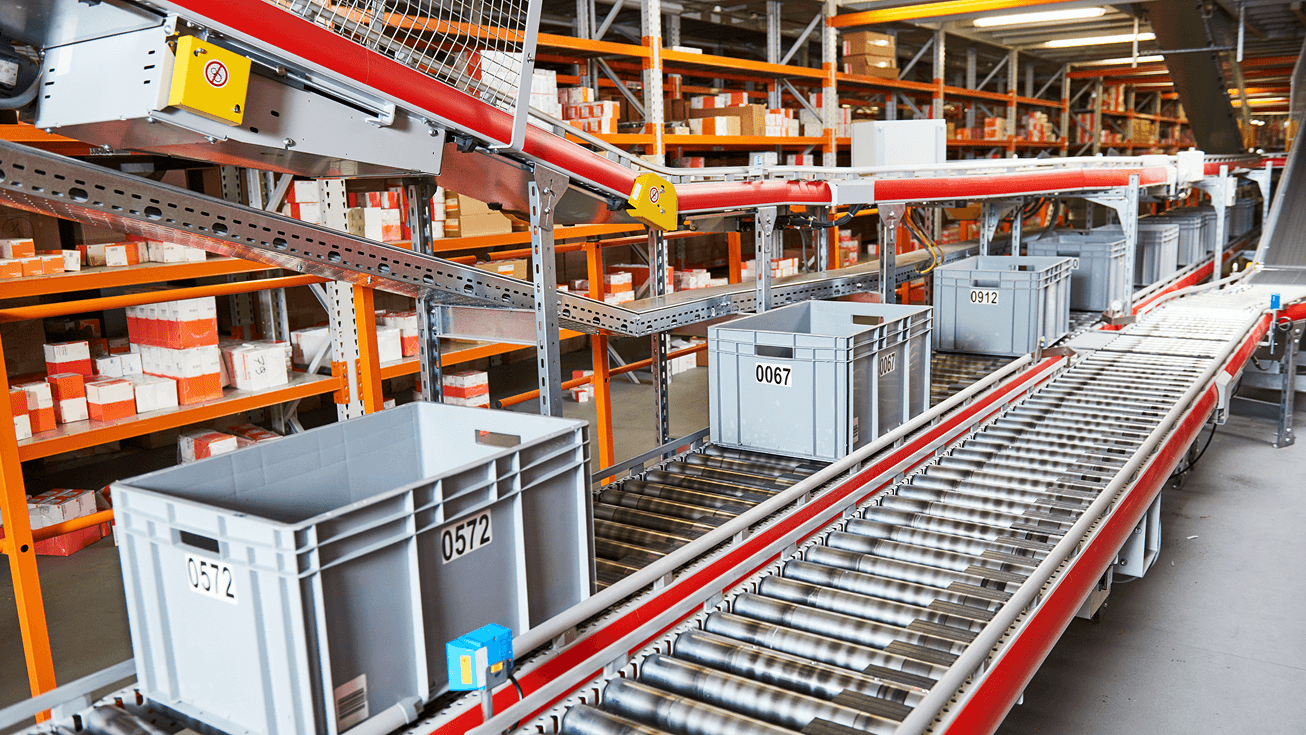
Industrial storage racks have become an inseparable aspect of many sectors, assisting firms in storing items and improving their operational
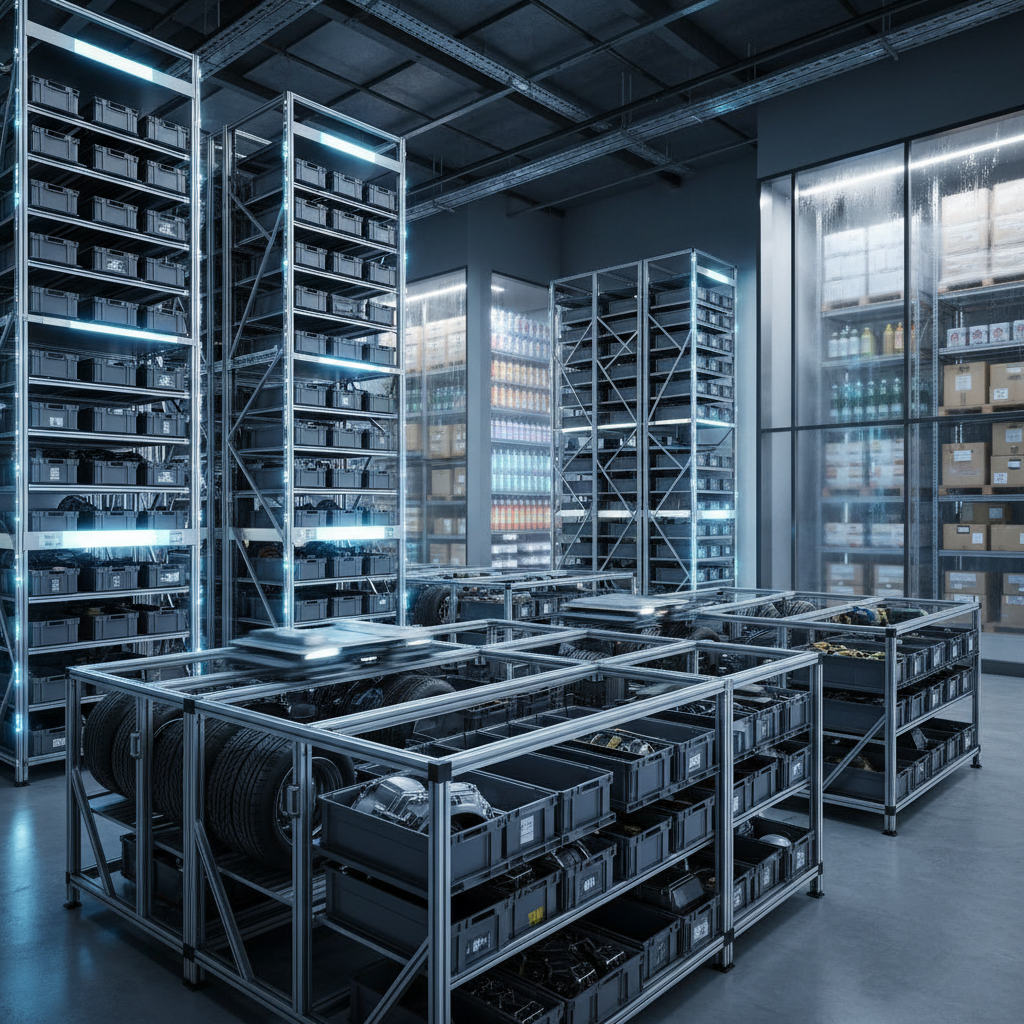
ASRS for Automotive Warehouses The automotive industry is no stranger to automation. It’s been making robots and machines do the...

To provide operational excellence, Armstrong Dematic leads the way towards innovative intralogistics and warehouse automation solutions. Our transformations are based on Industry 4.0 solutions.
Follow us on:


