WMS for Ecommerce Fulfillment
WMS for Ecommerce Fulfillment Warehouse Management Systems (WMS) have three basic components. Firstly, they tell the hardware where to move...


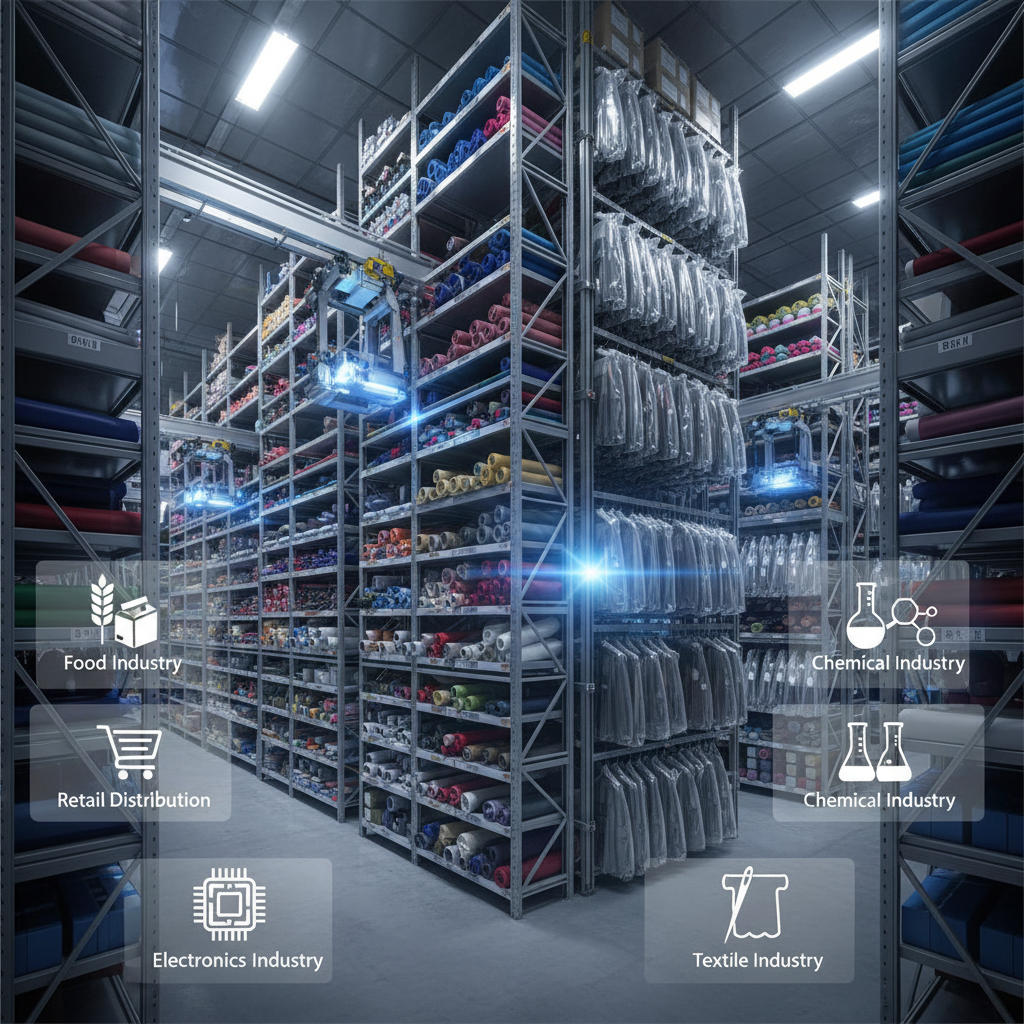
Variety is the pulse of the industry. It’s what makes fashion fun. But here’s the conundrum. How do you manage the endless combinations of colors, sizes, and styles in an efficient, cost-effective way? Manual labor simply can’t handle the volume. Every SKU that’s added complicates and slows down the order picking process. White Systems’ stockroom automation eliminates this constraint. The automated system stores and delivers garments in an almost infinite array of options. From palleted goods to loosies, from slow to fast-moving, one system does it all.
Warehouse managers soon discover these automated systems aren’t the maintenance headache they feared. Like your smartphone, they monitor their own health and send alerts long before a breakdown. Battery charge levels, pump pressures, and rack alignments are all monitored round the clock. Wear components are swapped out based on actual use, not arbitrary calendar dates. Instead of a la carte, break/fix maintenance, ASRS providers now offer fixed-cost maintenance contracts just like automotive manufacturers. Up to 90 percent of issues are now repaired remotely within 15 minutes. And because the system knows which parts started showing signs of wear together, it can predict those parts’ siblings will soon fail. Replacement parts are overnighted for a quick change. Better still, artificial intelligence is predicting those failures, based on use and load weights, before they happen.
Fast fashion companies use automated storage and retrieval systems (ASRS) to handle enormous volumes of inventory flowing in and out of their omni-channel fulfillment centers at lightning speed. A customer returns a sequined camisole at a brick-and-mortar store, a warehouse worker places it in a bin, the crane knows the bin’s coordinates within millimeters, the sequined stunner is whisked away for a quality check, repackaging, and return to inventory. The same scenario unfolds when 12 customers return the camisole purchased online at half-price. Returned 3,000 pairs of jeans? No problem. Fleece jackets are selling like hotcakes at a suburban outlet or e-commerce is out of navy leggings customers keep buying? The system’s software analyzes movement data and shifts items accordingly.
When you peel away the hype, an Automated Storage and Retrieval System (ASRS) is essentially a giant robotic vending machine. Raw materials or products are stored in metal totes, bins, or cases which are transported to a picking station by a robotic crane. Once the order is filled, the crane returns the bin and stores it for next time. ASRS units operate inside a warehouse, often in the very center of the building with no external walls or roof. They steal few column inches in a warehouse column, as they are typically built eight- to 30-meters tall or higher and have a footprint as narrow as two meters. For warehouse managers, the real magic of an ASRS is its uncanny ability to deliver security, efficiency, and reliability.
Fashion warehouses often opt for shuttle-based systems when it comes to their high-throughput zones and crane-based systems for long-term storage. Shuttle systems utilize autonomous carriers that travel along rails while crane systems provide higher storage density for low-velocity inventory. Hybrid solutions use a combination of shuttles and cranes in a single system. Armstrong DematicLTD’s ASRS design is configured based on your specific SKU velocity profile; fast movers are sorted via shuttle, while slow-moving items are handled by the crane. We guarantee a proper match and walk you through the feasibility study of your project.
Transforming Fashion Distribution from a Cost Center into a Competitive Edge
Warehousing was something you needed to survive. ASRS is something that helps you thrive. When your DC can process twice the number of orders in an hour with half the errors, your warehouse becomes a new source of income. Faster fulfillment opens up new revenue streams that require immediately available inventory. Lower error rates transforms buyers into brand advocates. Greater transparency into stock levels protects your brand. Textiles just happen to be one of the first industries where these benefits are being felt. In the Food Industry, ASRS ensures that perishable goods are rotated properly. In the Electronics Industry, ASRS protects high-value components. In the Chemical Industry, ASRS keeps you in full compliance with hazardous-material regulations. Each industry gets its own benefits, but the business case is the same. ASRS brings automation to your warehouse, turning the cost center into a revenue stream that will improve your bottom line and provide that competitive edge required to keep customers coming back for more.

WMS for Ecommerce Fulfillment Warehouse Management Systems (WMS) have three basic components. Firstly, they tell the hardware where to move...
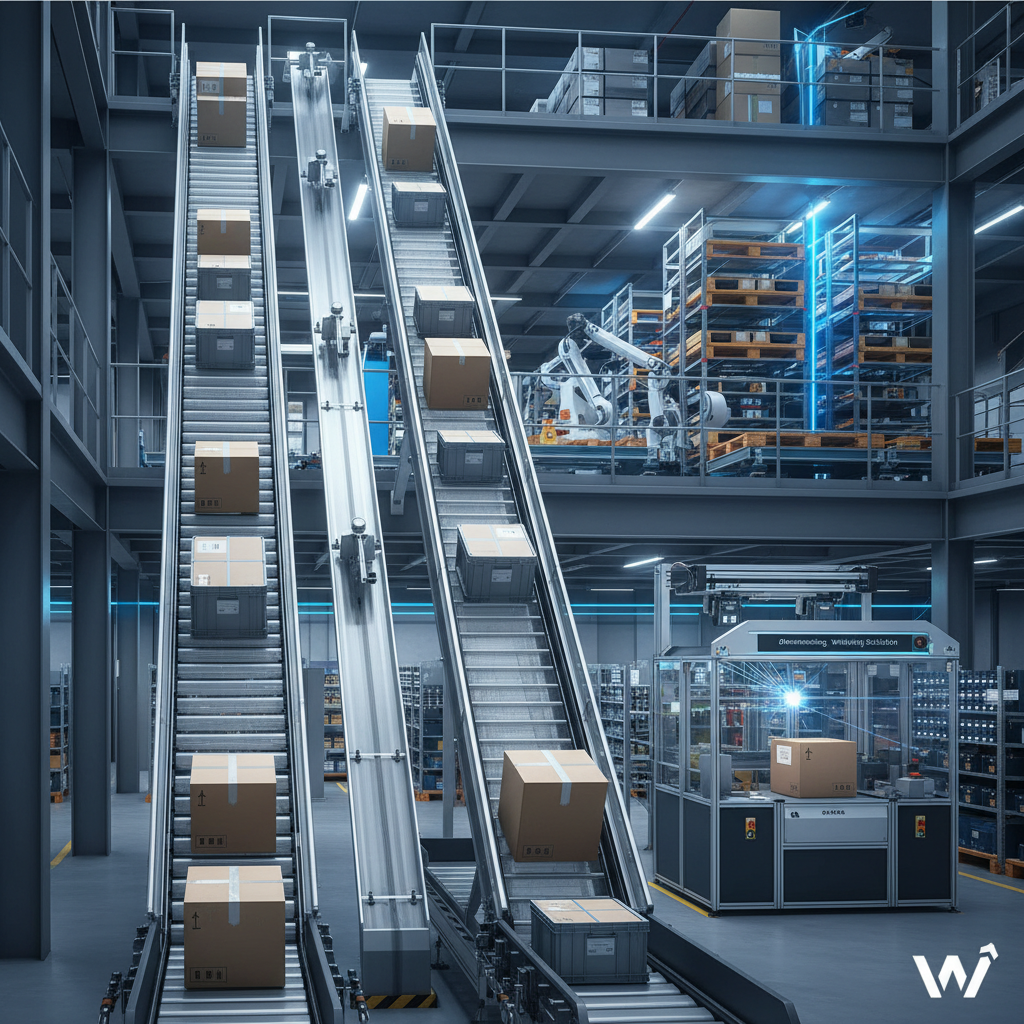
Vertical Conveyors for Warehouse Automation Expanding Upward: Using Vertical Space in Modern Distribution Hubs When the floor space in your...

“The first rule of any technology used in a business is that automation applied in an efficient operation will magnify

To provide operational excellence, Armstrong Dematic leads the way towards innovative intralogistics and warehouse automation solutions. Our transformations are based on Industry 4.0 solutions.
Follow us on:


