Low Order Fulfilment hampering your profitability?
With the global technology shift, the worldwide competition and the myriad demands of product variety, a large percentage of conventional...


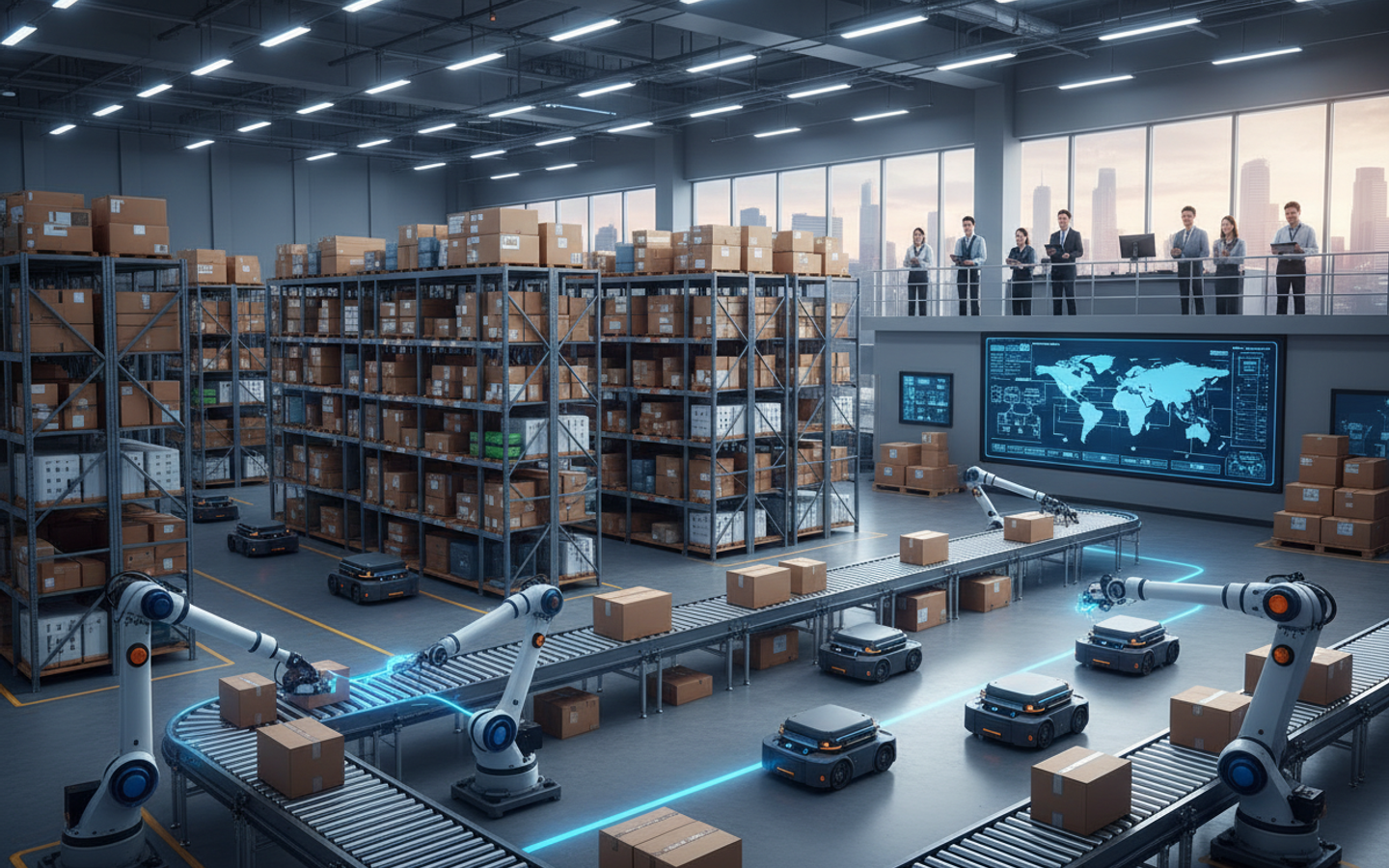
What exactly is an order fulfillment solution? Simply put, these are the tools and processes put in place to get products to customers as efficiently as possible. Every business that sells physical goods needs to find the most cost-effective, timely way to do this. Be it in-house or outsourced, through manual labor or automation, I’m not sure anyone really knows what the most effective method is. But with the massive growth and complexity of global supply chains, it’s no surprise companies spend billions on warehouse robots, computer systems, and logistics services to improve methods of order fulfillment.
Imagine running a successful online store but never knowing when stock is running low. How long before you’d have to wait on new shipments while losing customers who couldn’t find what they wanted? What if there was no efficient way to get orders from your site and into your customers’ eager hands? The right order fulfillment solution is more than software; it can help transform your business into a well-oiled, perfectly coordinated machine.
The combination of automation and analytics optimizes the entire e-commerce fulfillment process, from the instant a customer places an order to the moment it arrives at their door. Greater operational visibility also allows your business to make strategic decisions based on order cycle times, specific customer requirements, or real-time carrier delays.
How can we keep up with such high expectations? First things first, be honest about whether current systems are capable of handling fast and accurate shipment of goods. This may sound simple but assessing this involves considering a large number of factors. Multiple systems currently aren’t integrated well? Orders aren’t consolidated across channels to optimize delivery routes? High error rates in order picking and packing? Out-of-stock situations that aren’t immediately evident? Too much of the wrong merchandise in inventory?
Order fulfillment solutions involve a multitude of complex processes which small to medium-sized businesses may find overwhelming. They encompass everything that happens between a customer clicking that “buy now” button and the article landing on their doorstep. To put it simply, order fulfillment is the sequence of steps involved
What’s more, end-to-end visibility of all order and inventory fluctuations shows you what you have in the pipeline and what is moving. This empowers businesses to make better business decisions. The benefits of these features are clear, but how specifically can they improve business operations and drive growth? Let’s discuss.
How do these systems ensure quicker, more accurate order processing and shipping? Efficiently linking incoming customer orders and current inventory to specific outgoing orders drives toward this continuous goal. Let’s think of each new order as solving a complex puzzle with hundreds or thousands of interlocking pieces. The more pieces (current inventory plus open orders) available for assembly, the sooner you complete the puzzle. And with each new puzzle presented, the greater must be the speed and precision
What does it really take to thrive in a world where what a customer wants today may not be what they want tomorrow? What does it take to compete when consumers have so many changing expectations, different delivery dates, frequent and growing order sizes, and pressure to deliver faster, cheaper, or even free? How do we stop quoting later delivery dates than competitors and delivering timelines that customers find unacceptable? And when offering free shipping on orders, this is great for customers, but what about our bottom line? How do you respond when you know Amazon dominates in this fast, free-delivery world? The solution: Order Fulfillment Automation.
How do million-dollar businesses respond to customer wishes and lightning-fast competition while keeping the lights on? They rely on comprehensive fulfillment
How Automation Supports Order Fulfillment
Are we heading towards fully automated warehouses run by robots, with virtually no human presence? Probably not. But it’s likely that with each passing year, we’ll find humans playing very different roles in warehouses from what they do today. The toughest part of adapting won’t necessarily be handling the new technology, it’s likely to be coping with the cultural shift of evolving alongside robots.
I know what you’re thinking. This is way beyond the scope of my operations. It must take some serious order volume to justify all of this. You’re right. Ten years ago, these costs were out of reach for most growing merchants. But costs for robots, AI software, sensors, bandwidth, and computing have plummeted in the last decade while capabilities have exploded. The minimum order
Choosing the Right Order Fulfillment Solution
Begin by looking at the number of orders you handle in a typical month today and the increase you expect in the coming months. A hundred orders per month usually require an entirely different solution compared to thousands a day. Then, think about where you store your products and if you will need multiple warehouse solutions. Finally, research which order management systems integrate with your e-commerce site, accounting software, and other vital business building tools.
Seek recommendations but always test them against your unique business needs. It’s like being advised to follow the 8×8 rule, 8 glasses of 8 oz water per day. It’s an easy-to-remember starting point, but some people need more water, others less. Similarly, recommended services may not be the best fit for you; every
The Future of Order Fulfillment for E-commerce and Retail
How can warehousing and fulfillment solutions adapt to increasingly complex requirements and expectations in this fast-evolving environment? What’s the best strategy for converting existing warehouses into automated facilities that can meet future demands? What’s the right level of automation to maximize throughput, and how much flexibility is needed to accommodate and capitalize on ongoing innovations? How can you address labor shortages and high turnover rates?
How will artificial intelligence contribute to the order fulfillment process? Well, it will be used in many more ways than we currently see. It’s already being used in predictive lead scoring and routing of cases for a more manual sales process. Lead scoring determines an inbound lead’s value and routing pushes the appropriate leads to an individual sales rep. Then there’s chatbots for

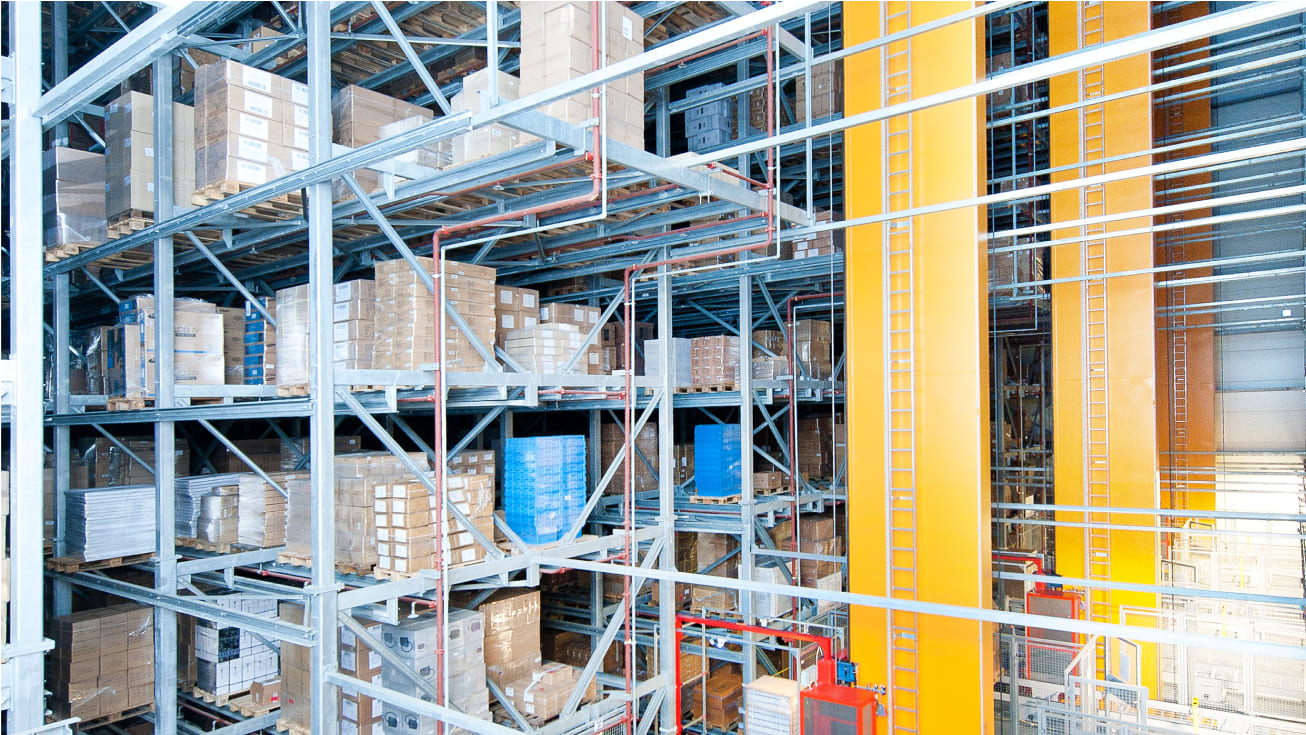
With the global technology shift, the worldwide competition and the myriad demands of product variety, a large percentage of conventional...
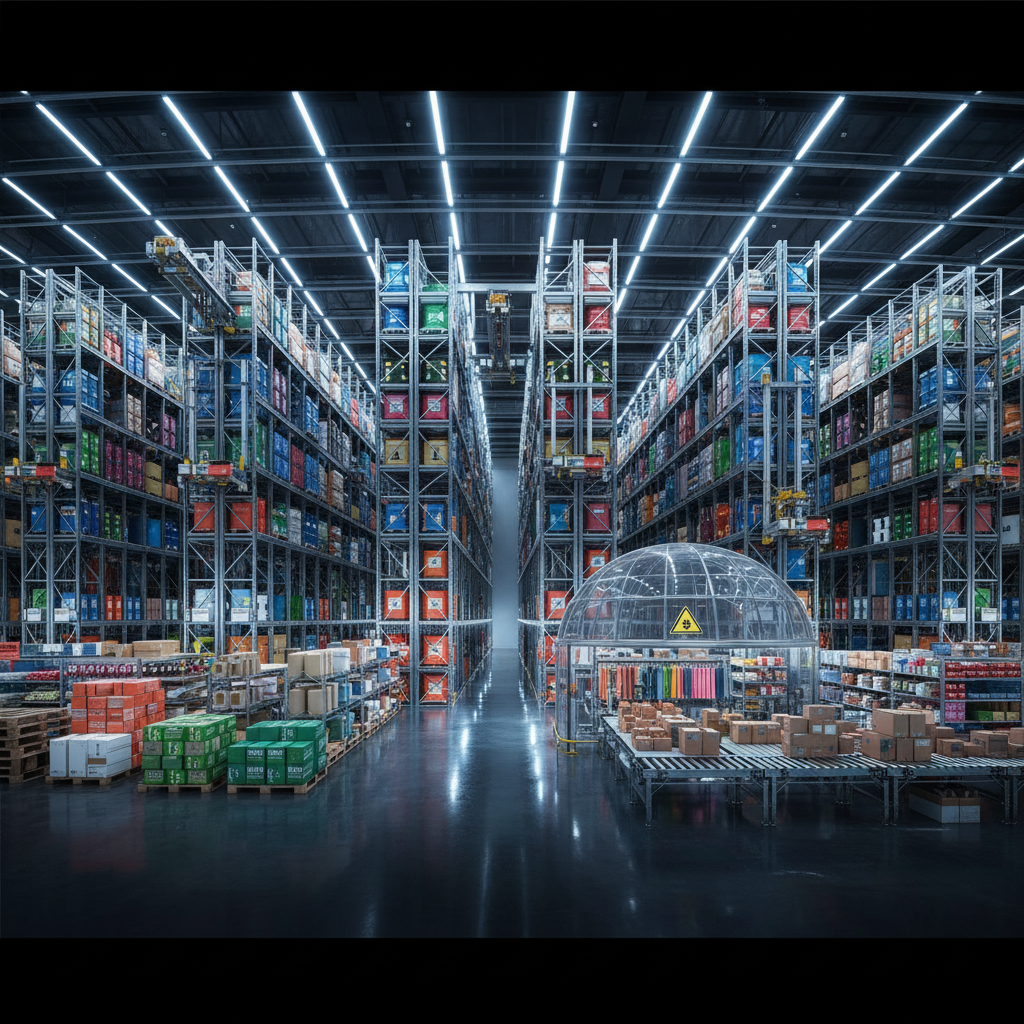
ASRS for Chemical Warehouses The chemical industry is marked by its rigorous standards and the stringent requirements imposed by regulatory...
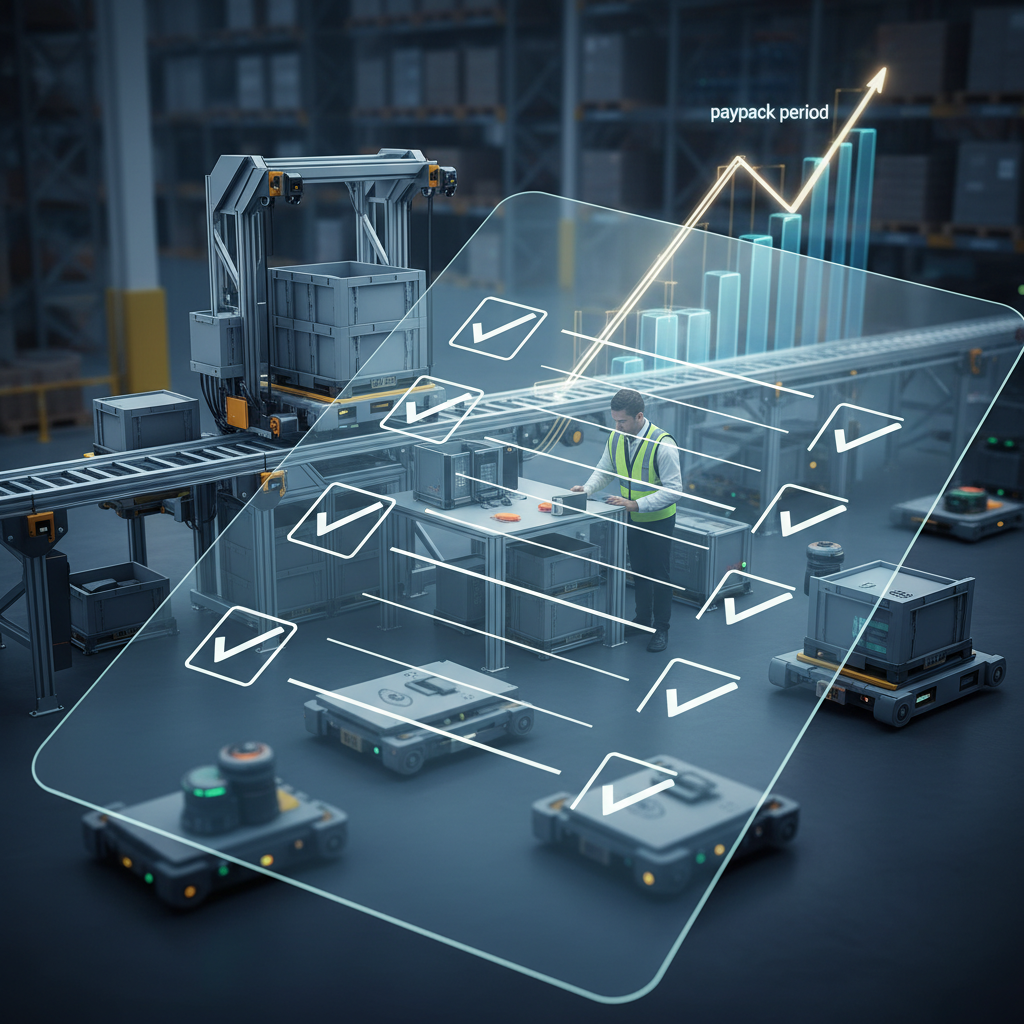
ASRS Vendor Selection Checklist Selecting the right automated storage and retrieval system (ASRS) vendor is the most important decision you...

To provide operational excellence, Armstrong Dematic leads the way towards innovative intralogistics and warehouse automation solutions. Our transformations are based on Industry 4.0 solutions.
Follow us on:


