Armstrong Dematic’s Automated Storage and Retrieval System and its benefits
“Automated Storage and Retrieval System by Armstrong Dematic paves a way to higher accuracy, efficiency, and productivity.” It has been



Warehouse software pricing can be confusing. A cloud-based WMS comes with licensing, hosting, and ongoing maintenances bundled together in a monthly per-user fee. This can include a lot of functionality that might take plug-ins and modules to get through another vendor. And with WCS it’s often really hard to get a ballpark even over the phone. But to simplify it I can say that in the SaaS marketplace you’re generally looking at five variables are used to generate the total cost of that system. Number of users, number of transactions, or in other words volume, the amount of storage it uses, the level of processing demand it places on the server, and the number of continuous improvements the customer doesn’t decline. That might be updates or patches that they don’t implement for instance.
Cloud WMS pricing can seem simple on the surface. And admittedly, for new or smaller operations, it is straightforward, which helps to get your foot in the door. But as your business grows and your needs change, so will your cloud warehouse management software bill. Here’s how they break it down at the big-picture level starting today. What you pay now: The base subscription. This is your entry cost for the comprising platform, hosting, support, performance, and feature updates, maintenance, and security. You also get access to all their third-party support, like electronic data interchange (EDI) or parcel shipping.
When you think about it, if Excel is so much cheaper than a subscription, why aren’t you using four guys and a pickup truck? The reason: it doesn’t scale. Neither does Excel. Because Excel doesn’t require maintenance, we don’t think of it as a cost. But it doesn’t have automated pick-wave optimization either. Or real-time inventory. Or, without manual counting or scanning each item, accurate barcoding functionality. So if you’re using Excel, you’re paying for distributed order entry and lost sales. And it gets worse as orders increase, that’s when manual data entry really starts to take over. Then you see the true cost of Excel.
Charges typically fall into three categories: one-time implementation or customization set-up fees; monthly, annual, or biannual license costs to use the software; and additional service or transaction fees. Self-hosted systems also pile on expenses for maintenance, upgrades, and user support. With cloud solutions, updates, backups, and user training are usually included in the licensing fee. Most cloud-based WMS providers now use a subscription model that bundles the software and service costs per user per month. Some vendors bill annually, while others split upfront license charges and ongoing service fees.
Defaulting to the ERP warehouse management module can seem like the easiest choice. After all, it’s right there, it’s paid for, and implementation is just a matter of flicking the switch. However, while those costs don’t hit the balance sheet, they manifest elsewhere. The EDI interfaces, customization for complex fulfillment rules, and more frequent software updates are just the tip of the iceberg. Once accounting, procurement, and other departments start wishing for this or that feature in the warehouse module, the billowing bills will be impossible to ignore. And that doesn’t even account for the gray hairs when a change request in the warehouse module breaks something else.
The estimated time for taking from signup to going live might range from three to six weeks for preconfigured operations with under five users, and six to ten weeks for moderate sized operations with 5-20 users. Unlimited user licenses, mobile-responsive HTML5 client screens designed to work with virtually any computer or mobile device and simplify bring-your-own-device policies, and fully managed cloud hosting bundled with instant software updates frequently result in lower total cost of ownership vs perpetually licensed systems that require new server hardware and IT support staff.
Having a warehouse vendor’s technician flying off to fix another customer’s server halfway through your rollout is no fun, but it happens; to avoid it, check references. A quality vendor should offer other built-in assistive aids, though. Consulting services usually include oversight from a solutions architect to make sure everything fits your specs and the system integrates well with your other applications. You may get access to business analysts who streamline decisions about how to map your current processes to the new software’s or super-users who divvy up training responsibilities post-implementation. Offering various aids like these, some vendors situation experts in your warehouse for days or weeks during your go-live to ensure everything runs smoothly. See what’s available and calculate how much your team will need that kind of assistance when comparing systems.
Integration expenses are not discussed as openly because they can vary widely depending on the state of the software, the interfaces used for transfer, the endpoints you connect with, and the number of integration touchpoints you need. You don’t want to end up surprised and over budget because warehouse consultant costs were underestimated and then you got hit with unexpected integration costs in the tens of thousands. Do your due diligence and ask each provider for a detailed, line-item estimate of the integration expenses you are likely to incur.
When you compare warehouse systems, you need to add a line for integration. Is it per sales channel or unlimited if you have different channels? Are they part of the standard package or are they additional and how much? What is the frequency of data synchronization, and are adjustments made in real-time or in batches? The latter is usually less expensive but can lead to overselling.
Uncovering Tiered Add-on Costs: Do Advanced Features Like Dynamic Slotting and Labor Management Cost Extra?
All of these sound terrific on a sales call or in a request for proposal. But how nicely do they play together in real life? Is it even fair to expect that they should? A good WMS, after all, is a system of systems in its own right, bringing together and making actionable data from a dozen or more machine and human actors in your facility.
Leasing the robots themselves impacts AMRs, too. In a capital purchase scenario, they’re similar to an appliance, just with a phenomenal cost. A lease might make AMRs more palatable, but does that actually affect WMS costs? AMRs navigate with onboard sensors instead of facility mods beacons, so the WCS connection is largely just API integration. And while G2P differs from Intersect, in that the dedicated AMR fleet is the non-lease delivering system, these WMS plug-ins are likely to be consistent update in the lease environment as the owner improves the functionality.

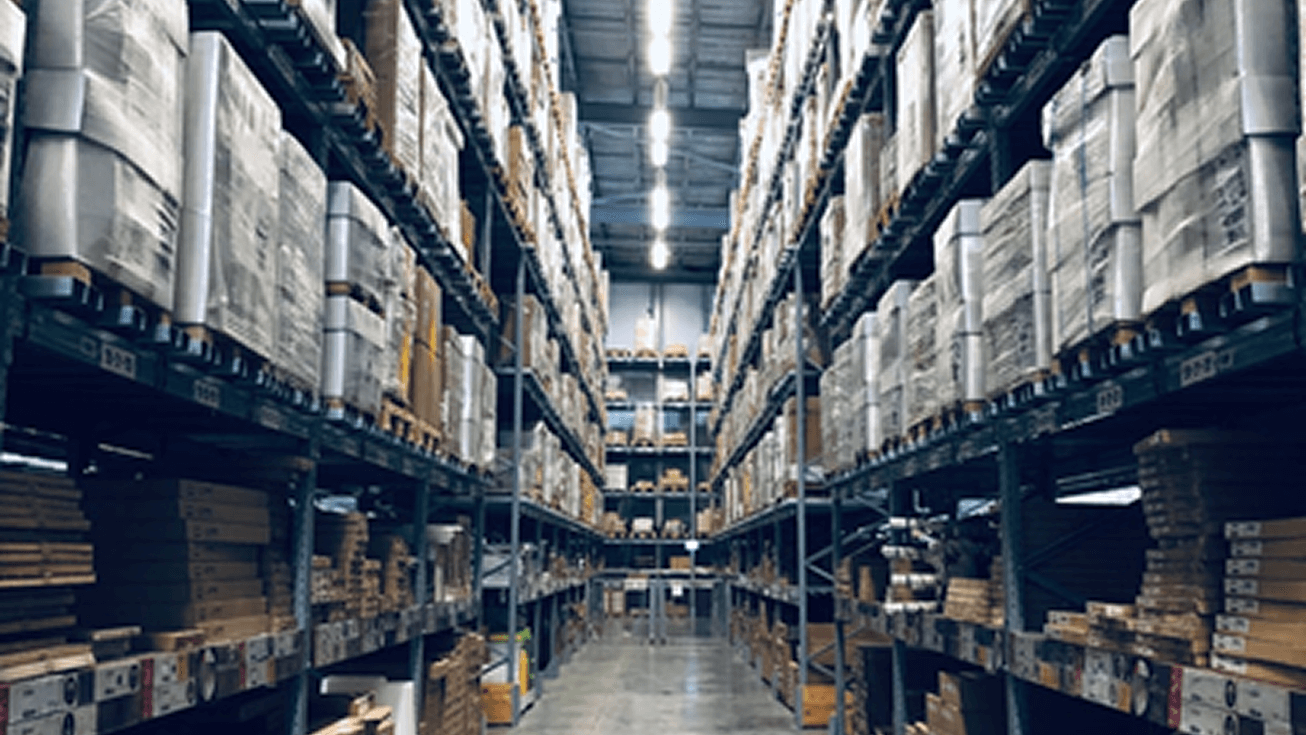
“Automated Storage and Retrieval System by Armstrong Dematic paves a way to higher accuracy, efficiency, and productivity.” It has been

How to Calculate ASRS ROI Warehouse automation is no longer a luxury of the Amazons of this world. In the...

AMR vs Manual Picking Today we're discussing a topic that keeps coming up across industries! Manual vs Autonomous Mobile Robot...

To provide operational excellence, Armstrong Dematic leads the way towards innovative intralogistics and warehouse automation solutions. Our transformations are based on Industry 4.0 solutions.
Follow us on:


