ASRS vs Traditional Racking: Which Is Better?
ASRS vs Traditional Racking: Which Is Better? Do you keep it classic with trusty racks, or leap into the future...


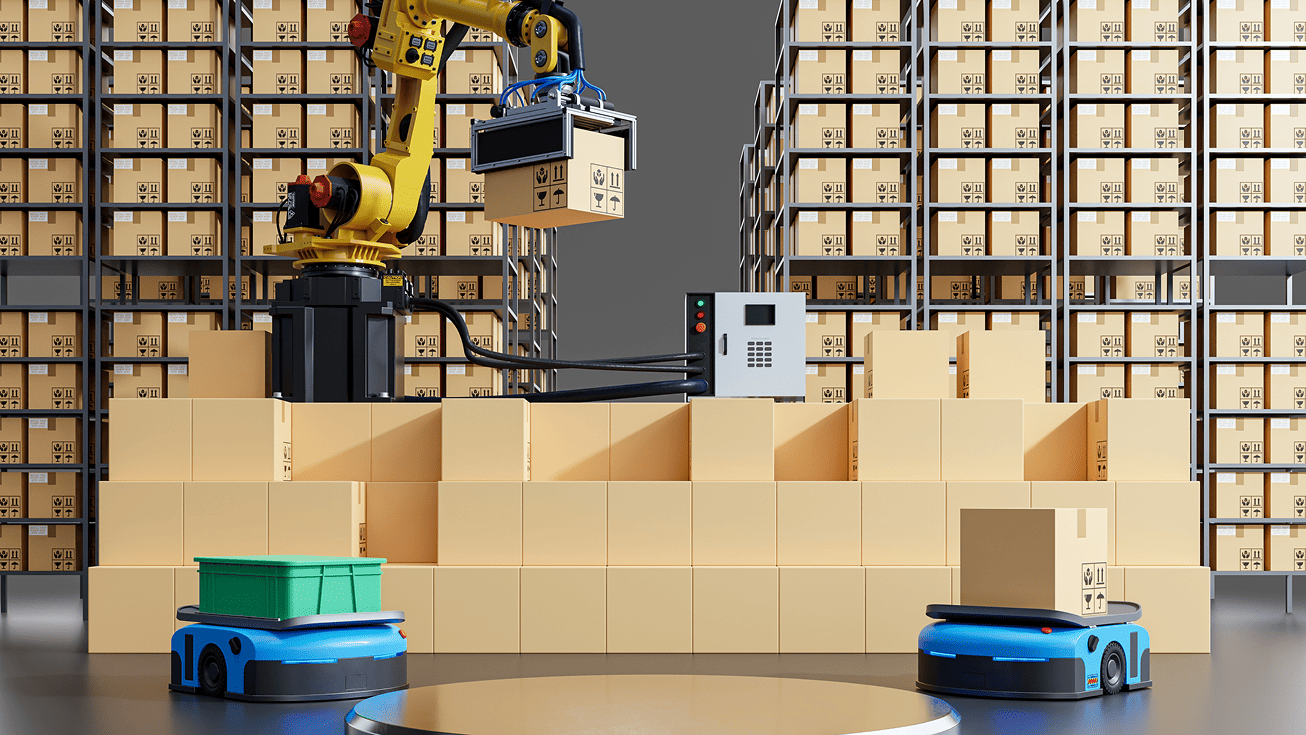
The warehouse business is a key contributor to the expanding need for robotics. As new technological developments are made, the selection of robots for the Warehouse continues to expand. This does not exactly make it simpler for warehouses to select the appropriate robot for certain applications.
What is Warehouse Robotics?
Warehouse robotics refers to the use of automated systems, robots, and specialised software to carry commodities, complete various jobs, and automate/streamline warehouse processes. Robotics has gained prominence in supply chain, fulfilment centres, and warehouse management circles in recent years and continues to play an important role in warehouse automation. The following are some of the several types of warehouse robots.
Robotic Arms
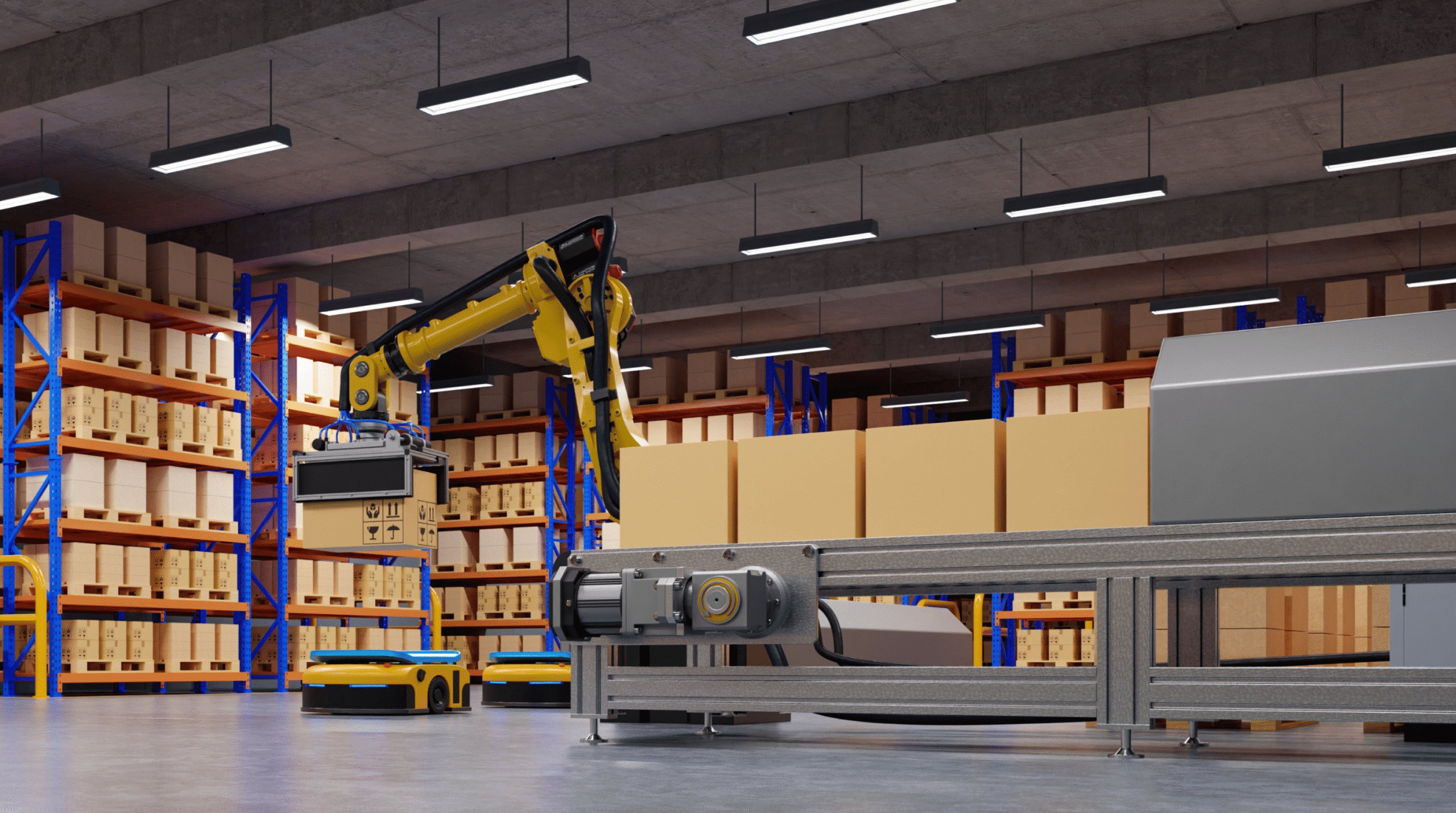
For decades, robotic arms have been utilised in production and case distribution contexts. Vision system and end-effector (gripper) advancements now enable improved piece picking applications and pick-and-place operations. For each picking, the arms can be utilised at a Goods-to-Person (GTP) workstation or attached to a mobile robot. They can also be placed in situ to perform repetitive activities such as putting empty boxes into an overhead conveyor, positioning discrete units for induction into a unit load sorter, and sorting discrete units into outbound shipping lanes.
Mobile Rack Goods-to-Person (GTP) AMR
Mobile Rack GTP AMR robots transport inventory to productive workstations through mobile rack systems. These “come-to-me bots” offer greater storage flexibility than alternative GTP systems. To GTP workstations, AMR robots transfer merchandise held on storage units of various formats (shelf units, garments on hangars, etc.). Among the primary obstacles connected with these robots are:
Unit Load Transport Autonomous Mobile Robots (AMR)
Transport-by-load AMRs were developed to address two major issues with the long-standing AGV technology. Due to the presence of other cars and people, AGVs can only be utilised in areas where they can safely take the lead. The second consideration is the high cost of AGVs. As a result, AMRs are more flexible and cost-effective. For put-away pallets and totes are commonly transported by these robots across large distances: for example, from a receiving area to a storage or shipping area. They can also be used to move empty pallet stacks and transport rubbish and dunnage. Co-bots for case selection are used less frequently.
Bot Sorter AMRs
Bot Sorter AMRs obviate the need for a conventional, fixed-in-place sorter whose price skyrockets as the sorting operation’s complexity rises. In terms of the capacity to make modifications to the sorter placement and logic with low time and cost, they also provide better flexibility. They can retrieve merchandise, execute a many-to-many sort, or consolidate inventory from many warehouse locations. Pickup and delivery can be performed manually or by conveyor belt. Among the limitations of these Robots for Warehouse are:
Roaming Shuttle AMRs
Roaming Shuttle AMRs are utilised to store and transfer items in a high-density environment as part of a GTP solution. The primary benefit of these AMRs is that they enable the user to independently increase storage and throughput. Making full use of the facility’s clear height, roaming shuttles help decrease the building’s overall footprint. Some roaming shuttle systems may be configured to take advantage of venues with unusual dimensions. As local or micro-fulfilment options, they are gaining popularity.
Operations benefit significantly from the deployment of Robots for Warehouse. They aid in reducing or eliminating mistakes, accelerating order fulfilment, lowering overhead and operating expenses, and facilitating improved inventory management.
Revolutionize Your Warehouse with Robots for Warehouse: Discover the Different Types of Warehouse Robotics!
As recent technology evolves, so does how we manage and optimize our warehouse operations. And with the rise of robots for warehouses, we can now automate various tasks and streamline our processes more efficiently than ever before.
Let’s explore how different warehouse robots can help in warehousing activities.
These vehicles have been designed to replace manually-driven forklifts and pick carts to improve overall operations. AGVs can be programmed to autonomously navigate warehouse facilities by following pre-established routes marked by physical guides such as wires, magnetic strips, tracks, or sensors embedded in the floor.
Automated storage & retrieval systems (AS/RS) are computer-controlled systems that assist in the automation of inventory management and the storage and retrieval of goods as needed. These systems inrobots for warehouseare intended to streamline retrieving and placing products.
Articulated robotic arms, a variant of pick-and-place robots, are utilized in handling goods within warehouses and distribution centers. They are helpful in picking and packing, receiving and storing, and palletizing.
Armstrong Dematic in Providing the Robots for Warehouses
Armstrong Dematic’s exceptional track record and extensive global presence make it one of India’s leading warehouse automation companies. With its forward-thinking Industry-4.0/IIOT-compliant solutions for receiving, palletizing, AS/RS, sorting, and dispatch management, Armstrong Dematic helps organizations achieve high productivity levels through robots for warehouse.
For more information, contact us at +91 9673002942

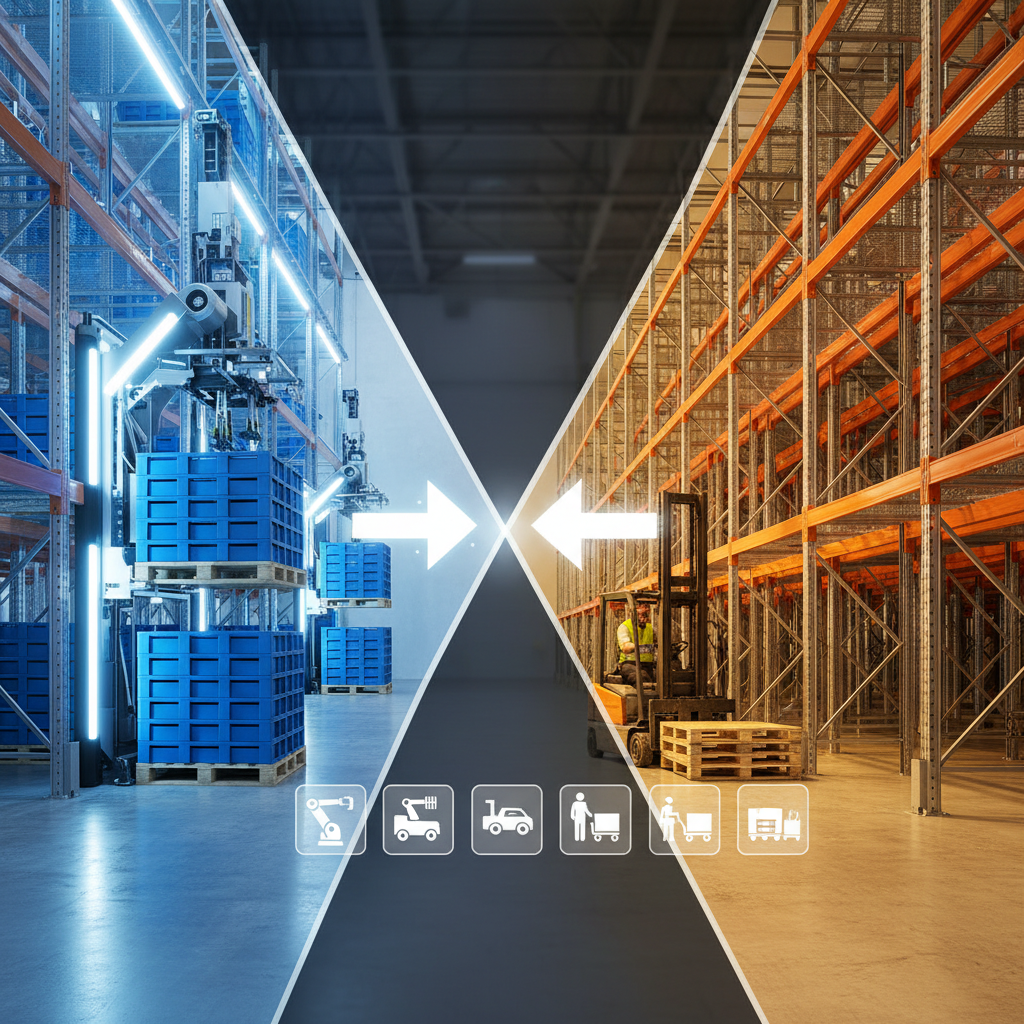
ASRS vs Traditional Racking: Which Is Better? Do you keep it classic with trusty racks, or leap into the future...
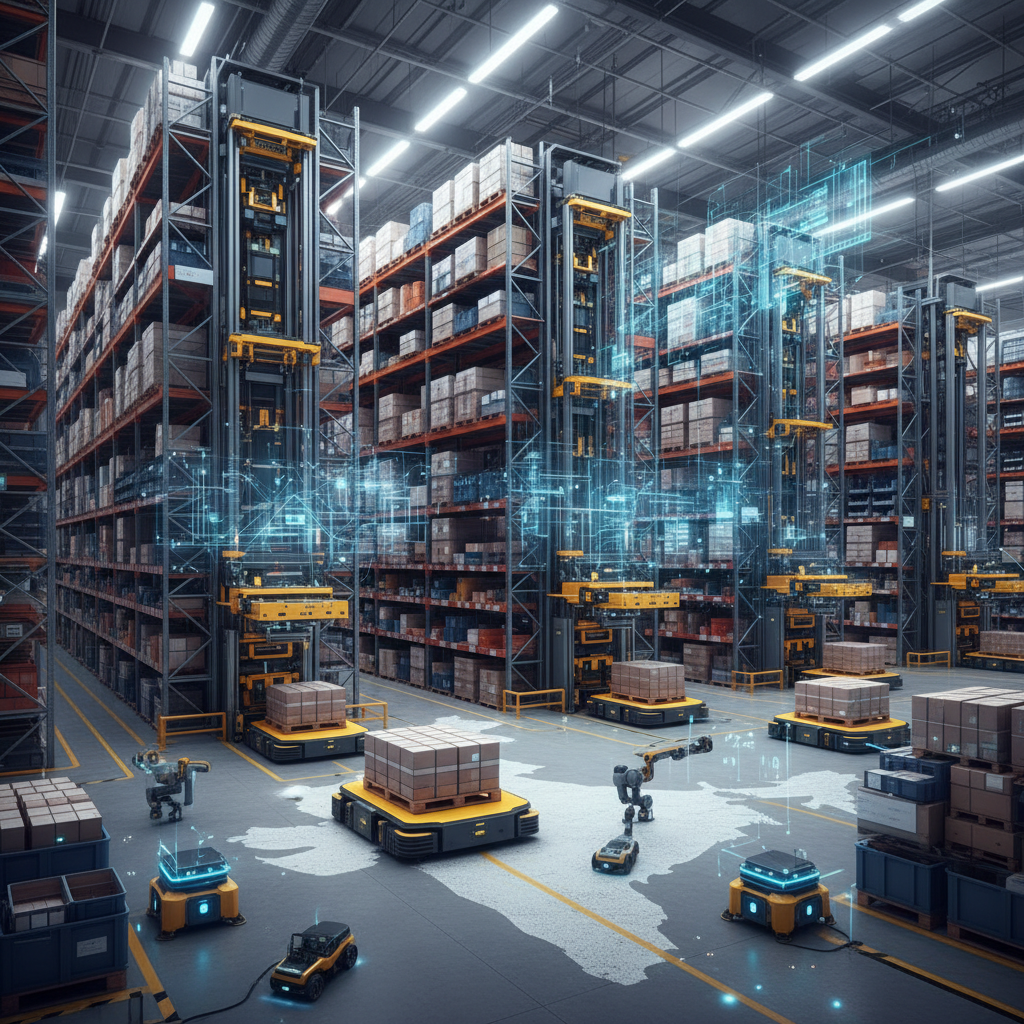
ASRS Cost in India: Complete Pricing Guide Warehouse automation, whether it's ASRS, AGVs, or AMRs, isn't a one-size-fits-all solution. Your...

Technology is changing rapidly in this fast-growing world. What could be the best technology in the past decade could be

To provide operational excellence, Armstrong Dematic leads the way towards innovative intralogistics and warehouse automation solutions. Our transformations are based on Industry 4.0 solutions.
Follow us on:


