AGV Leasing vs Buying
AGV Leasing vs Buying Deciding whether to lease or buy AGVs and AMRs is challenging enough. Lease 20 DWS robots,...



Selecting the right warehouse automation partner is a key success factor to building a responsive supply chain. Automation technologies are evolving rapidly and In 2025 and they are starting to shape the transformation of distribution centers in 2026. Companies in India (and beyond) are now faced with the important decision of choosing a partner that can offer the best value and technical expertise while being affordable and providing long-term support. This article outlines the key factors that need to be considered when evaluating warehouse automation consultants. It also looks into the WCS implementation cost for an optimal software offering integration while weighing cost and benefits of automation systems. Besides discussing the main ASRS implementation cost and shuttle system cost those will help you to narrow the evaluation of AMR supplier India alternatives.
The first step in selecting a warehouse automation company is to clearly define your evaluation criteria. Start by reviewing the vendor’s solutions portfolio. Does it offer a suite of solutions including Warehouse Control Systems (WCS), Autonomous Mobile Robots (AMRs), Automated Storage and Retrieval Systems (ASRS), and shuttle systems? An integrated solutions vendor simplifies your automation consulting and eases compatibility concerns in the future. Next, evaluate the vendor based on pricing transparency. WCS deployment cost can be in millions or low thousands depending on warehouse size, complexity, and specific requirements. A vendor that demands transparency will separate software license, hardware, implementation, and training costs. Similarly, ASRS deployment cost and pallet shuttle price must reveal exactly the services, systems, and subsystems you are paying for and which solutions will be outsourced by the vendor. Loosely estimated costs or hidden charges will indicate the likelihood of overdrawing your budget.
Finally, all vendors will tell you they’re available around the clock and they have the best support services in place. But the only way to be certain for yourself is to verify their uptime stats and service level agreements (SLAs). Look for tricky phrases like “up to” or “within x business days” and push for exact details on average response and resolution times. Additionally, confirm all costs associated with service calls, remote diagnostics, patch management, and software updates. Does the vendor offer remote monitoring, preventive check-ups, or annual system audits? Regularly scheduled maintenance might come at a recurring charge or be rolled into the product price. Rehash these same questions with current customers to see if the promises are kept after the sale is made.
Automation efficiency is not an all-or-nothing consideration: the focus should be achieving the best possible automation for your unique operation. Efforts to identify and close gaps between the vendor’s product and your operational requirements must begin early, during technology evaluation itself. It’s perfectly reasonable to ask for a reference visit to an existing customer, which gives you the opportunity to see the quality and practical benefits of the vendor’s equipment and team. Make the most of it! Ask for a pre-visit briefing and let the vendor know the particular challenges you would like to learn about. Then assess critical differences and evaluate what they would mean for your operation.
Scalability is equally important. Your warehouse operations today may involve 10,000 square feet and 50 SKUs, but what about five years from now? A scalable solution allows you to add more robots, expand storage capacity, or integrate new technologies without overhauling your entire system. Ask vendors how their shuttle system cost structure accommodates phased rollouts. Can you start with a pilot zone and expand incrementally? Do their systems support modular upgrades? The best warehouse automation consultant will help you map out a multi-year roadmap that aligns automation investments with business growth. This strategic planning minimizes disruption and spreads costs over time, making even high-ticket items like ASRS more financially manageable. Remember, the cheapest upfront option is rarely the most cost-effective in the long run if it locks you into a rigid, non-scalable architecture.
Check the vendor’s in-house talent pool. Do they have the necessary mechanical, electrical, and software engineering capabilities to design and install custom solutions, or will much of the work be subcontracted to third parties? If you choose to work with an automation wholesaler, are they willing to transfer knowledge so that your team can conduct system modifications and repairs down the road? Unsupported automation systems are a headache waiting to happen. After deployment, do you have access to a 24/7 support hotline with field service engineers on call, or will you need to staff up your maintenance department to support a set of autonomous mobile robots?
When it comes to maintenance, I think it would be ideal for the vendor to send a technician out for routine checks and, while they are on-site, they could lead a training session with your maintenance crew. In my experience, there’s no substitute for investing in your team. You need people on staff who can quickly identify the root cause of a problem when a line goes down. That means partner-training your operators and maintenance techs at a level where they understand the equipment as well as your own engineers. If your vendor doesn’t offer training, you’ll want to think twice about entering a partnership with them. Furthermore, administration staff and warehouse managers need to know how to extract performance data and locate errors that require the vendor’s attention. Maintain a good relationship with the vendor but strive for independence by investing in your people.
Conclusion
Choosing the right warehouse automation company isn’t a simple decision. You have to weigh a number of factors, from technical capability to cost, vendor support, and the overall experience. Start by evaluating a supplier’s ability to provide the technology and support your organization needs to meet today’s challenges and they’re poised to be a partner in the future, too. What do customers have to say? Of course, references are going to speak only as highly as possible about their chosen vendor, but it’s important to ask vendors in person about their strengths and weaknesses. Get a better sense of what each vendor works best with by comparing WCS Implementation Cost, for example.

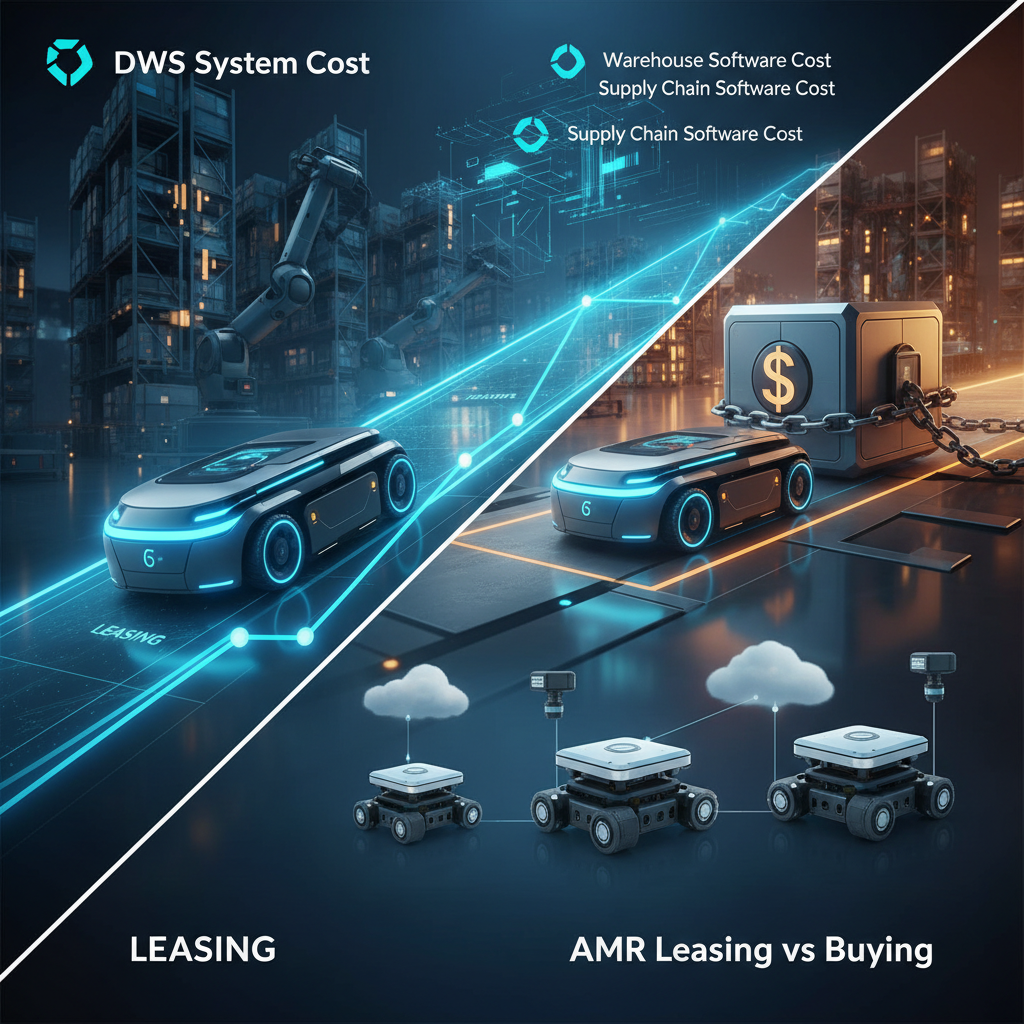
AGV Leasing vs Buying Deciding whether to lease or buy AGVs and AMRs is challenging enough. Lease 20 DWS robots,...

In the grand scheme of things, packaging might seem like a minuscule part of the operations. However, your goods need...
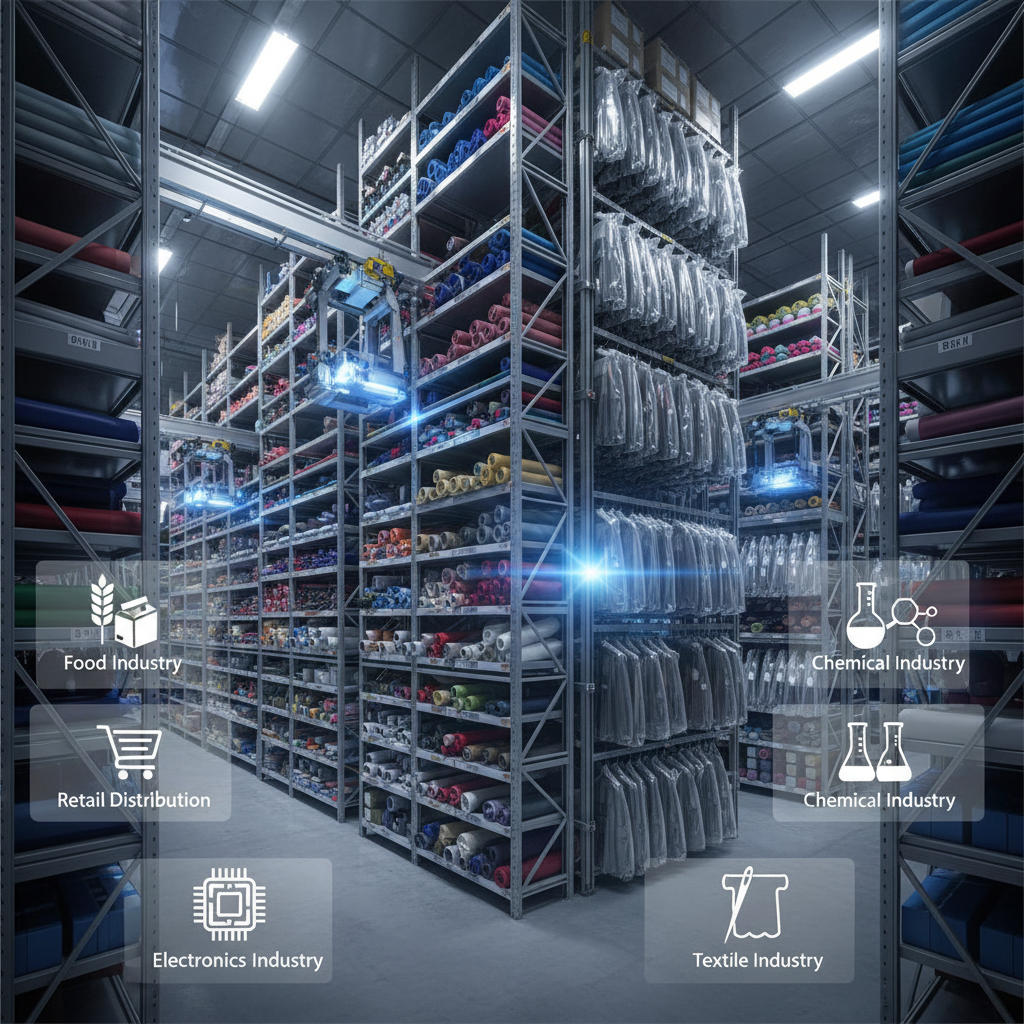
ASRS for Textile and Garment Warehouses Variety is the pulse of the industry. It’s what makes fashion fun. But here’s...

To provide operational excellence, Armstrong Dematic leads the way towards innovative intralogistics and warehouse automation solutions. Our transformations are based on Industry 4.0 solutions.
Follow us on:


