Ecommerce Fulfillment Automation Solutions
Ecommerce Fulfillment Automation Solutions The retail world has changed forever. Todays customers expect flawless delivery. They don't see it as...



When we think of the term payback period, it’s about how soon the benefits from a particular investment are expected to “pay back” the costs incurred. Seen this way, the payback period is a simple concept to grasp. But in practice, it’s not so easy because the benefits and costs in question aren’t always so crystal clear from the beginning. When it comes to warehouse automation, benefits are quantifiable and have a direct counterpart in cost reduction. But automating a warehouse is such a strategic move with such wide-ranging implications, it can be hard to forecast all the benefits and all the costs to make an accurate payback period estimate.
How long does it take to recoup an automation investment? It’s a critical question. The payback period can vary significantly depending on the technology, the scale of your operation, how it’s implemented, and the impact on labor and other costs. The costs to consider when calculating the payback period include the all-in cost to purchase, implement, and start up your automation system, as well as costs to modify your facility, vehicle, electrical systems, and software interfaces. The benefits to consider include labor and operational savings, as well as any increased revenue from improving customer service levels and gaining new business. Depending on how conservative you’d like to be, you might calculate payback based on the truly incremental cost of the automation (including any costs that would not be incurred if you didn’t automate). Or you might compare the most attractive alternative way you would spend the money if you didn’t automate. The bottom line is that payback period is the simplest and most direct measure of an automation system investment’s financial return.
Warehouse automation often delivers significant benefits. Faster picking and put-away, fewer picking errors, lower energy usage, and reduced damage are the primary benefits routinely cited. To calculate the potential return on investment (ROI) from storage automation, you need to assess these savings for your operation with new tech in place then compare that with the cost of the equipment, software, installation, and ongoing operation of the system.
How so? If your target is a payback period of three years, the vendor might propose fewer automated processes or faster equipment to meet your criteria. On the other hand, if your target is five years, you might receive a proposal including more automation and slightly slower equipment. Payback period objectives defer different levels of risk and potential reward, from faster payback and greater long-term savings to higher-up-front costs and extended risk if expected business volumes don’t materialize.
With the growing integration and prominence of automation in the supply chain, the discussion has moved past whether automation is merited to which automation technology is the best fit for your operation. To achieve the ideal solution, companies have to weigh if ASRS or AMR meets their requirements more effectively. Thankfully, payback period analysis can provide some quantifiable insight.
Determine the total project cost of your automation, including all software and hardware, planning and simulation, installation, training, and any other services involved. Then estimate your annual savings by assessing manpower reduction, increased productivity and quality, energy sobriety, versatility, and increased storage capacity. Your ROI in years will be total project costs divided by annual savings. Calculate it for your operation, and see if the numbers are convincing.
An ASRS implementation guide will tell you that more traditional technologies like cranes, carousels, and mini-loads tend to deliver 10% to 50% productivity gains in picking operations, and 20% to 80% floor space savings. While robotics have labor, accuracy, and productivity advantages, storage and operations tend to cost the same. Know these generalities and look for specific automated warehouse solutions numbers in each of the comparison categories. This will give you rough but directionally correct guideposts so you do not underestimate system benefits, overreach on expectations, or miss a benefit that could be a difference maker. This is covered in an ASRS evaluation guide and an Automated Picking Storage and Retrieval System Chapter in a materials handling systems manual.
Labor is the most significant factor in your ROI calculation. If you’re a high-wage, low-unemployment-market manufacturer, the business case for automation can be quite compelling. You’re replacing expensive, hard-to-find labor with reliable, cost-effective systems. And the math gets even better when you factor in higher throughput requirements. Fixed costs, which are spread over more units, help improve the math. Finally, consider the existing state of your operations. Brownfield installations tend to cost more and take longer than greenfield projects.
Are you a business leader trying to decide if the benefits of automation justify the investment? A common starting point for this decision is comparing potential storage automation business case benefits with the costs of the technology acquisition and ongoing maintenance. But how do you determine the payback period if you’re not sure what your total costs and benefits are going to be? If your business case assumes either unrealistically short implementation timelines or minimal spending on connecting your new storage automation system to existing order fulfillment systems, you could dangerously underestimate your actual costs.
Tips to Improve ROI
How do we reap the benefits of warehouse automation as soon as possible, while giving our business time to adjust and gradually funding the transformation with generated savings? Imagine if we only automated our raw materials area, our finished goods and shipping area, and small parts storage? Would we get more payback on our investment if we put in an ASRS first and then the AMR a couple of years later to reduce the number of pallets we store, or if we started with the AMR and then implemented the ASRS?
Maintenance should be factored into your savings and payback calculations during the sales and evaluation process. You should also investigate whether vendor field service technicians are certified on your specific application and how quickly they can be at your location to make repairs. Spare parts should be readily available, and that cost should be factored into your payback analysis as well.
Conclusion
Knowing your warehouse automation payback period ensures you consider only viable, long-term solutions that drive meaningful ROI. How quickly do you need your investment to pay for itself? Different users have distinct expectations. Taking empty promises off of the table at the beginning ensures your procurement process remains focused. Running preliminary numbers is easy for most types of warehouse automation. Sit down with a member of your operation team to gauge potential labor, space, and productivity savings. Using the year-one North American automation market projections in the 2020 MHI Annual Industry Report, many in our industry have a general sense of the quick return a one-million-dollar spend could deliver. Using just that baseline, and with even conservative expectations, a well-placed automation investment should return your entire expenditure rather quickly. A few years in, the benefits realized should significantly outweigh your one-time automation purchase. The long-term health of your operation should improve over the life span of the system. A good rule of thumb is that the best automation investment pays for itself by the time you see your first bill for system maintenance. Next, system cost and operation savings examples of determining that payback period. Use an automation procurement quote matrix to help draw comparisons.

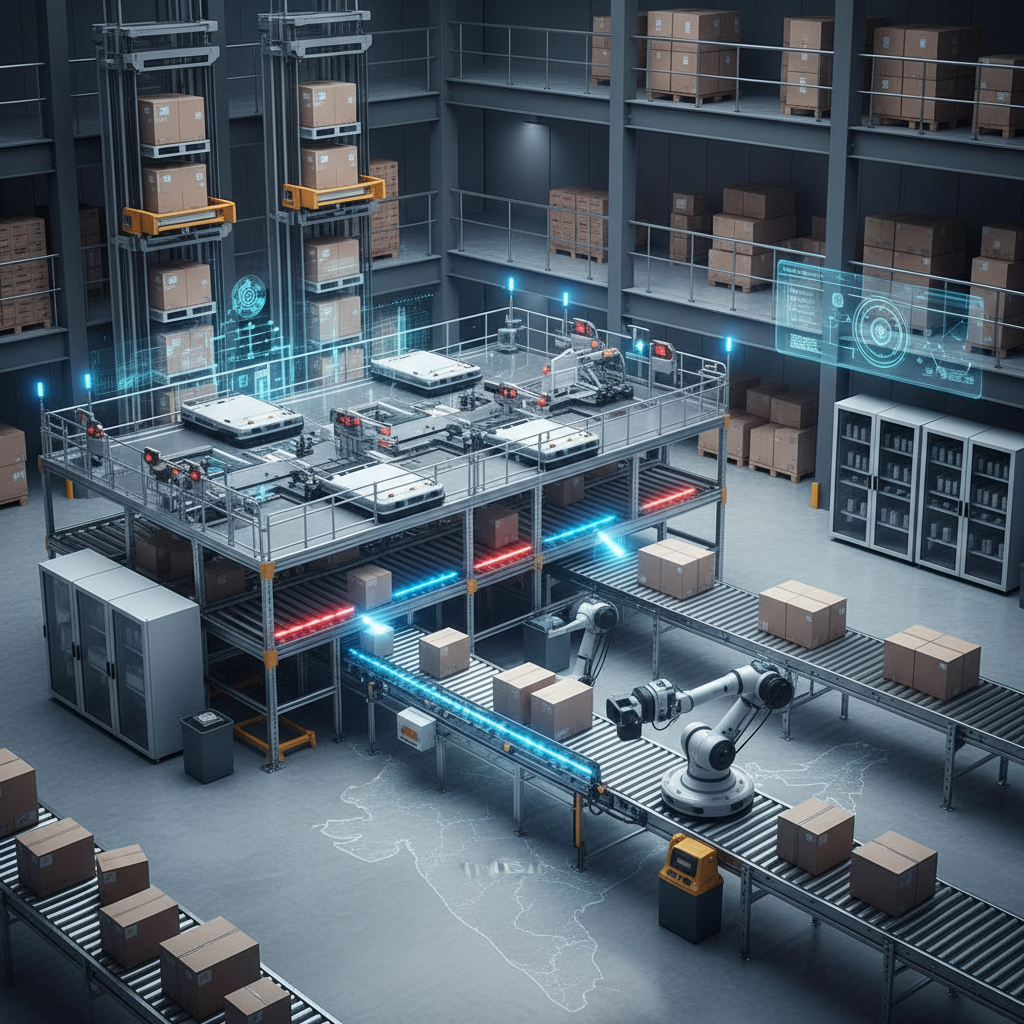
Ecommerce Fulfillment Automation Solutions The retail world has changed forever. Todays customers expect flawless delivery. They don't see it as...
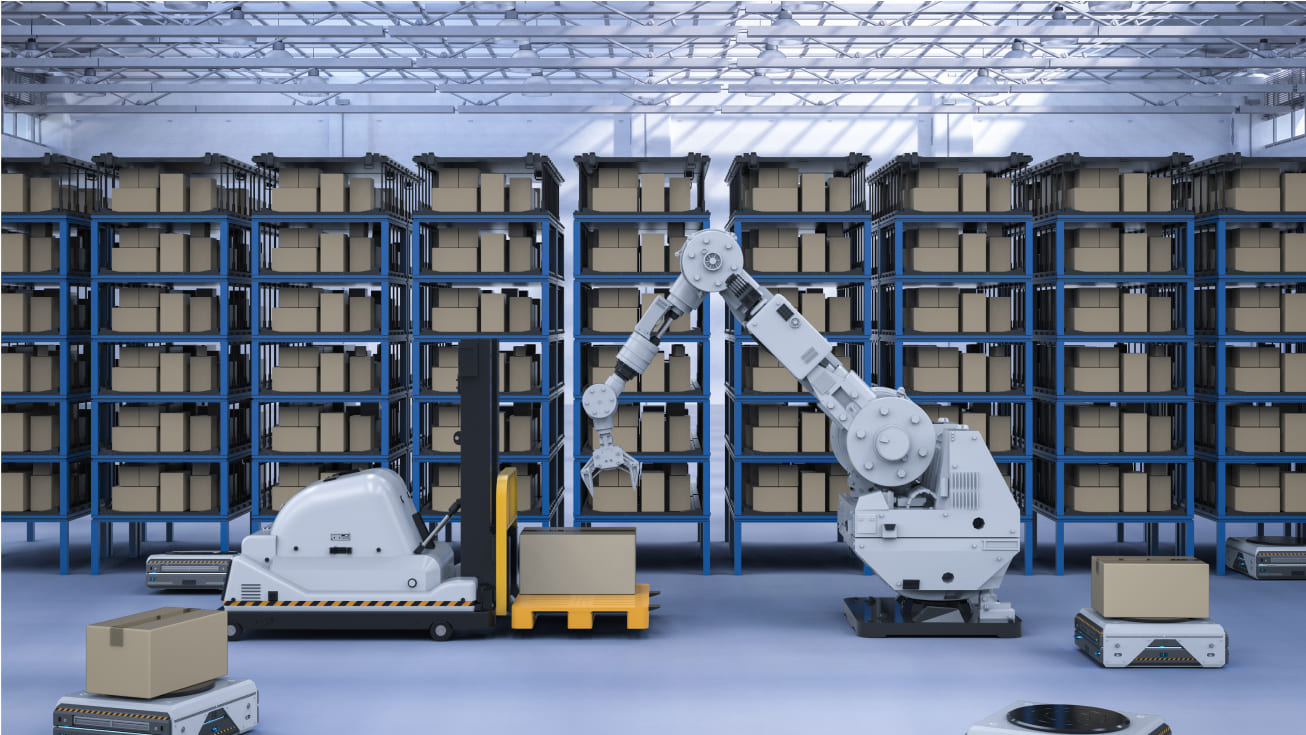
The future of production is rapidly evolving, with automation and robotics taking center stage in reshaping industries and supply chains....
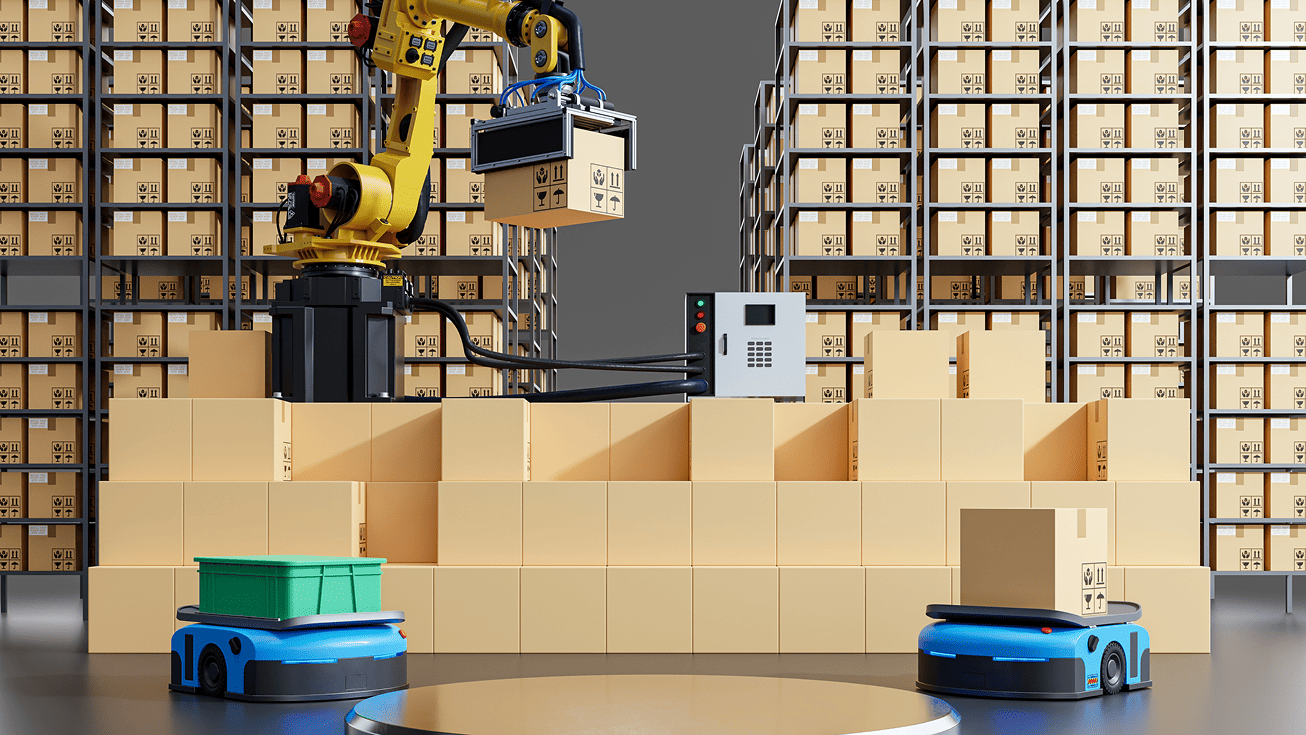
The warehouse business is a key contributor to the expanding need for robotics. As new technological developments are made, the

To provide operational excellence, Armstrong Dematic leads the way towards innovative intralogistics and warehouse automation solutions. Our transformations are based on Industry 4.0 solutions.
Follow us on:


