Pallet Shuttle Storage System Guide
Pallet Shuttle Storage System Guide Industrial real estate costs are going up and up. This is a big problem for...



Warehouse automation is no longer a luxury reserved for global giants. So many of our clients are seeing up to 20-30% YOY growth that they have their hands full just trying to keep up. The colossal volume of orders is one factor. The speed at which they’re expected to be delivered is another. And then there’s the pressure of wanting to keep costs down for customers. Do more, faster, and cheaper. That’s the mandate. Today’s warehouse operators can’t hope to juggle all those balls without some serious tech backup. The right software and machinery can give companies an edge by reducing the costs of order fulfillment, storage, and handling. Most importantly, they make it possible to scale up operations without adding vast numbers of employees.
You get what you pay for. Entry-level systems will track inventory, optimize picking, and generate reports on receiving and shipping. Mid-tier software might include yard management, labor tracking, and slotting. Top-end solutions encompass labor and transportation management, import or hazardous materials compliance, and even predictive analytics. Your focus should be on what your operation needs most and where you’re hoping to grow. The best providers will give a thorough warehouse evaluation and demonstration before asking for your commitment.
There’s a lot more to the cost of a warehouse management system than its subscription fee. The license fee is typically a bit more than half of the total cost over the life of the system. You’ll also be paying maintenance and support fees for as long as you use the software, hardware costs, implementation services, and ongoing cloud services subscription fees. Then there are integration costs and the expenses involved with leaving your current system, like training, implementation, data migration, and the inevitable productivity hit.
The second most popular type of WMS in 2026 is the free, open-source software that typically includes only basic functions and requires your IT staff for installation, updates, and any necessary maintenance. But because the code is public, you can theoretically customize it indefinitely or hire an independent developer to do so. Running on your own servers and protected by your own firewalls, open-source WMS stores confidential company information on-site and keeps other parties out of your system. Would the 24-year-old who coded the last update to your open-source WMS really make a good hire? The choice is yours.
These solutions are installed directly onto the customer’s servers and IT staff manages software updates and maintenance. This also means that WMS vendor personnel don’t have access to client systems for troubleshooting or maintenance, which can be a concern for organizations without large IT departments. Additionally, on-premise licenses can be more complex, the most expensive part is the initial purchase, but you’ll also pay the vendor for software updates and support in the long term.
Most WMS vendors will grain their wares through tiered packages that compartmentalize table-stakes capabilities from those irresistible bells and whistles. A base-start tier covers inventory tracking, barcode scanning, and straightforward picking workflows and goes for $15,000 (approximately ₹10 lakh) annually. Mid-tier-access gets you wave picking, slotting optimization, and labor management for $50,000 to $75,000 a year (₹34 to ₹51 lakh). And a top-tier package eclipses $85,000 (₹58 lakh) with every wine. These puppies throw in features like blockchain lot management, vendor score-carding, and robotic automation.
The way software charges you isn’t standard either. While per-user pricing is suitable for teams of 10-15 people, any more and it starts pinching. A solution that bills you ₹2,500 per user per month asks for ₹3 lakh per annum for 10 users but ₹9 lakh for 30. With per-location or per-warehouse pricing, you’ll pay a fair amount if you have multiple employees at each site but only a few facilities. There’s a pay-by-order or pay-by-SKU model that suits seasonal businesses. Try three structures with your numbers to see which one turns out cheapest.
Implementation and Training Fees: Factoring in the True Cost of Staff Onboarding
The initial licenses and user subscription fees are only half the story; how much does training & implementation cost over the first year? I can’t tell you how many people I’ve met who drastically underestimated onboarding costs and the pain involved in implementation. How are you going to transfer current data over, and bring staff up to speed? Are we training tenured full-time employees or a rotating cast of seasonal temp workers?
Scalability ROI: How a WMS Pays for Itself by Eradicating Dead Stock and Misplaced Orders
Within 12 to 18 months, a well-chosen WMS pays for itself, as do the best warehouse drones, but we aren’t going there yet either. Real-time inventory visibility with a WMS can reduce dead stock by 15 to 30 percent. This is a huge improvement in working capital. And, the oldest benefit in the book, 20 to 40 percent fewer labor hours, still the biggest, most immediate benefit most people get from their WMS. The more advanced the WMS, and the more you trust it, the fewer people you have to hire. It really is that simple.

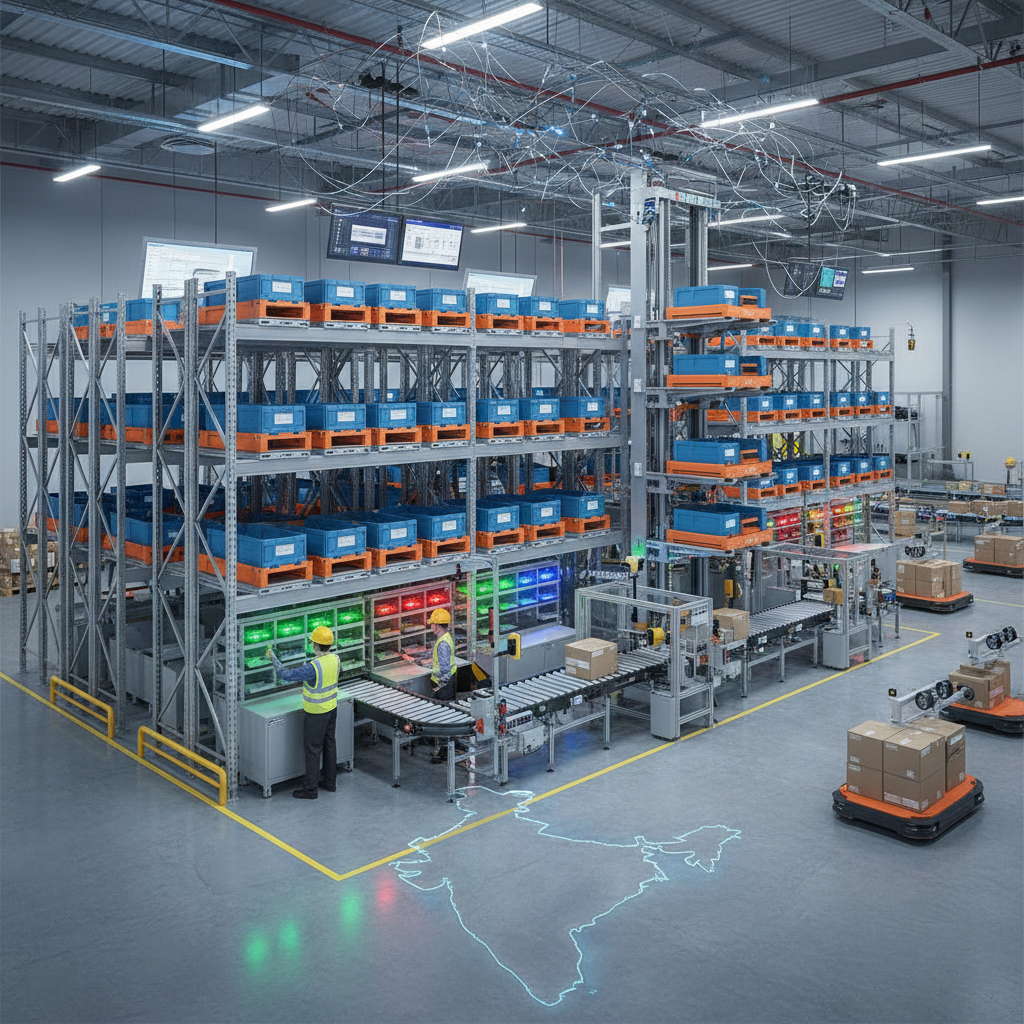
Pallet Shuttle Storage System Guide Industrial real estate costs are going up and up. This is a big problem for...
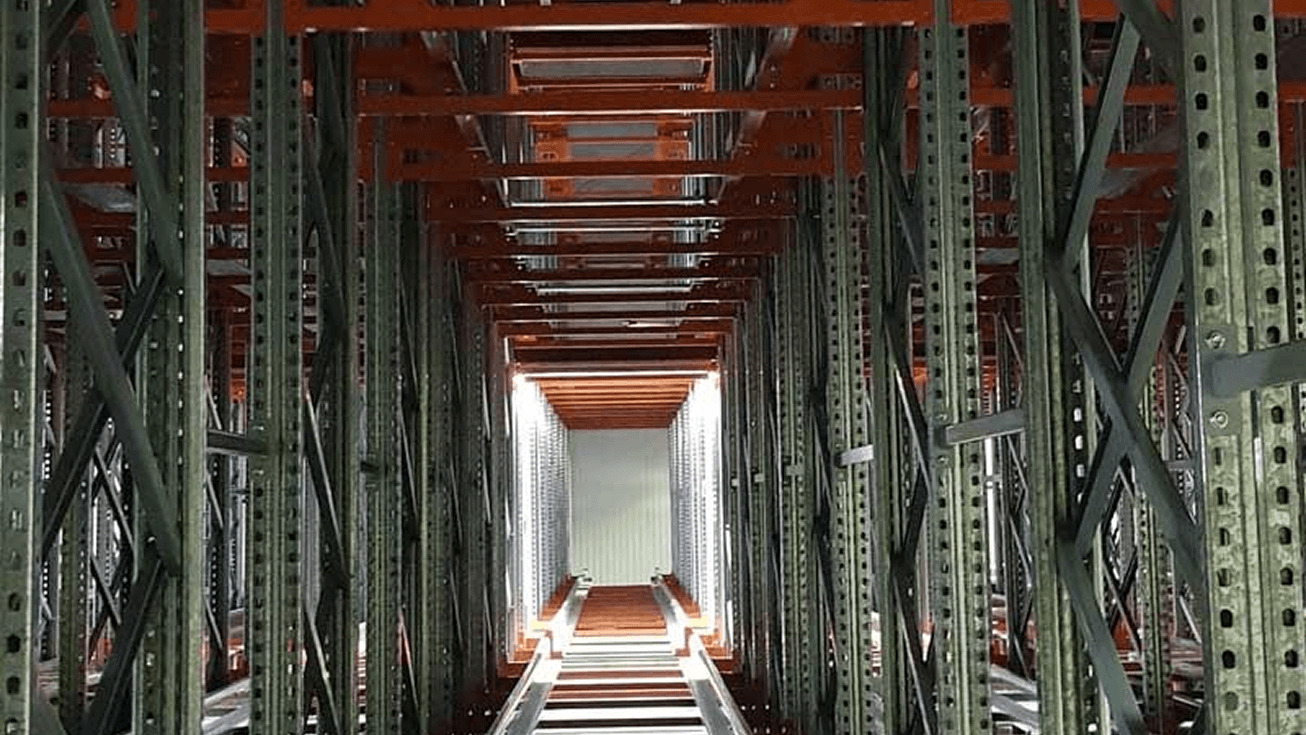
With the dynamic nature and exponential growth of the e-commerce market, there has been a constant variability in demand as
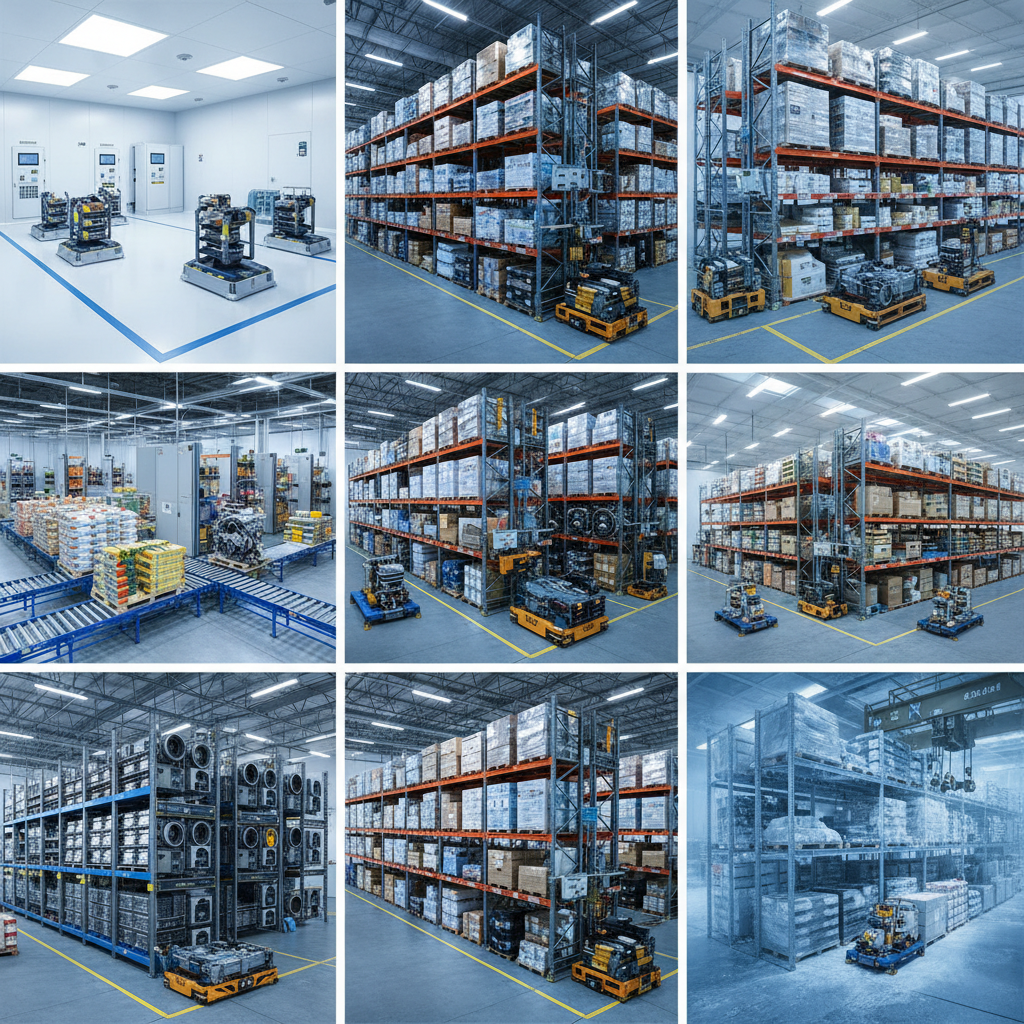
ASRS for FMCG Warehouses Are you familiar with FMCG warehouses? They literally have thousands of products, and products change regularly....

To provide operational excellence, Armstrong Dematic leads the way towards innovative intralogistics and warehouse automation solutions. Our transformations are based on Industry 4.0 solutions.
Follow us on:


