AMR vs Manual Picking
AMR vs Manual Picking Today we're discussing a topic that keeps coming up across industries! Manual vs Autonomous Mobile Robot...



Many companies are tempted to stick with their already-owned ERP when it comes to making business process improvements, like optimizing operations in the warehouse. The ERP vendor will tell you that the robust feature set of their new customizable solution can easily handle all warehouse requirements. The only issue? ERP systems weren’t designed to support operations in the warehouse. An incorrectly reliant company will force the systems to replicate performance similar to that of a WMS, and find themselves needing custom development requests for every minute step outside of the ERP’s basic inventory transactions. Generally, these requests are expensive and can create complexity in the future as new and updated versions of the ERP system are issued.
ERP is the integrated management of core business processes, often in real-time and mediated by software and technology. A slightly more helpful definition is that ERP systems handle the details inherent in the back-office duties associated with numerous fragmented computer systems. These systems often track grey and white-collar efficiencies and logistics. They can also monitor real-time cash flow, accounts in use, inventory waste, and strategic purchasing arrangements.
In short, an ERP is like a well-thumbed road atlas: a store of high-level information that’s only intermittently updated. It’s consulted occasionally for guidance, but it plays no part in actual travel. A WMS, on the other hand, is the in-car GPS: dynamic, responsive, and recalculating itself every few seconds to account for changing conditions. An ERP tells you where you should be going. A WMS guides you there. Or, to put it another way: your ERP is your desk jockey, and your WMS is the one with dirt under its fingernails.
Why is that? Well, ERPs are built for financial reporting, not operational performance. They lack the real-time visibility; process flexibility; and connectivity with automation systems, devices, and people that modern warehouse operations need. They can’t display real-time work queues, direct putaway to optimal zones, or monitor productivity and equipment status. You won’t find wave optimization, zone picking, or task interleaving in an ERP. To access the workflows and process optimization to scale up without adding headcount or facilities, you need a WMS.
A warehouse management system isn’t just about routing product from here to there. A best-of-breed WMS integrates with your back-office systems to provide real-time visibility into inventory. This lets you optimize storage space, replenishment schedules, and seasonal staffing levels. Data from the WMS helps you identify patterns that signal it’s time to migrate certain goods to a fulfillment warehouse closer to your customers, or to break bulk and distribute inventory across different locations. A good system also gives you the insight you need to innovate. For example, by revealing that customers are ordering five of X every Friday, you can make better planning decisions that affect your entire business.
Instead, implementing a warehouse execution system brings all the needed functionality together like a maestro using a baton. You get the right inventory in the right place at the right time, ensuring a human plus machine orchestra. An ASRS cannot function autonomously without a conductor orchestrating the movements. The WES assigns the right shuttle, arm, and elevators needed to get the inventory with the highest priority ready. It also lists out the work queue for other areas of the warehouse to keep overall operations in tune.
In general, the warehouse management system is the master controller, looking down from 30,000 feet and telling high-bay cranes and shuttles where to find and store specific pallets. It also directs forklifts to pick replenishment loads from a staging area. The WCS is more the local traffic cop, interacting directly with machines and sensors to optimize each lift, move, or transfer in real time. It’s constantly adjusting to keep all equipment busy but not waiting, especially at critical intersections where cranes often vie for the same aisle. If you imagine an orchestra, the WMS is the conductor and the WCS is the lead violin. They make beautiful music. If they’re out of tune, it’s more like a junior high band.
ERP vendors tend to position their warehouse software as a low-risk, low-cost alternative to a best-of-breed system. Makes sense: you’ve already bought the horse, why not just add the cart? But horses and carts aren’t the same thing; they have different jobs. And to extend that clunky metaphor to the breaking point, the chassis and the upgrades you’d need to make it an effective cart will probably add up to around the same cost as a dedicated cart would have been in the first place.
WMS Vendors are all fighting to pack more hit-for-the-buck additional features. But it’s not about who has more feature over the other. It is more about those features bringing real value to you. This is why you will want to identify the core features you need and make sure the WMS solution meets those requirements, ideally out-of-the-box. You can work with a demo system to check the user interface usability an to get feedback from the peers involved in the daily operations. They are the ones that are going to live with the system after all.
The Hybrid Approach: How Growing Supply Chains Successfully Integrate WMS Efficiency with ERP Financials
I think the best analogy for understanding the unique benefits a WMS can bring is to think of a WMS as a maestro orchestrating inventory through a warehouse and an ERP is the lead violin, delivering beautiful music by itself but capable of so much more as part of a symphony orchestra. By modern definitions, neither a violin nor a WMS needs to be in the same room as their fellow musicians to collaborate, making integrations more flexible, and less costly, than they historically have been.
It all starts with defining who owns what data , and while it’s not a simple answer, it should be clear-cut to the people who rely on that information every day. In the end, whether it’s ERP or WMS data you’re talking about, probably the last thing you want to deal with is a big, difficult-to-navigate gray area! So, which is it for your organization: Is it ERP or WMS data that’s going to have the spotlight on the new high wire act?
The Feature Scorecard: A Direct Comparison of Pick-Pack Accuracy, Wave Management, and Real-Time Billing
What’s more, fast, highly accurate inventory tracking, including the ability to monitor storage conditions and expiration dates, makes it easier to provide quality control. Returned goods can be reconciled more efficiently, labor can be tracked based on specific functions, and system-directed putaway and picking reduces the potential for error. Most WMS solutions include a labor management component, which ERPs often don’t room for. This feature, combined with the ability to easily establish task interleaving, can make a dramatic difference in worker productivity. Temporary employees can be productive in a matter of hours.

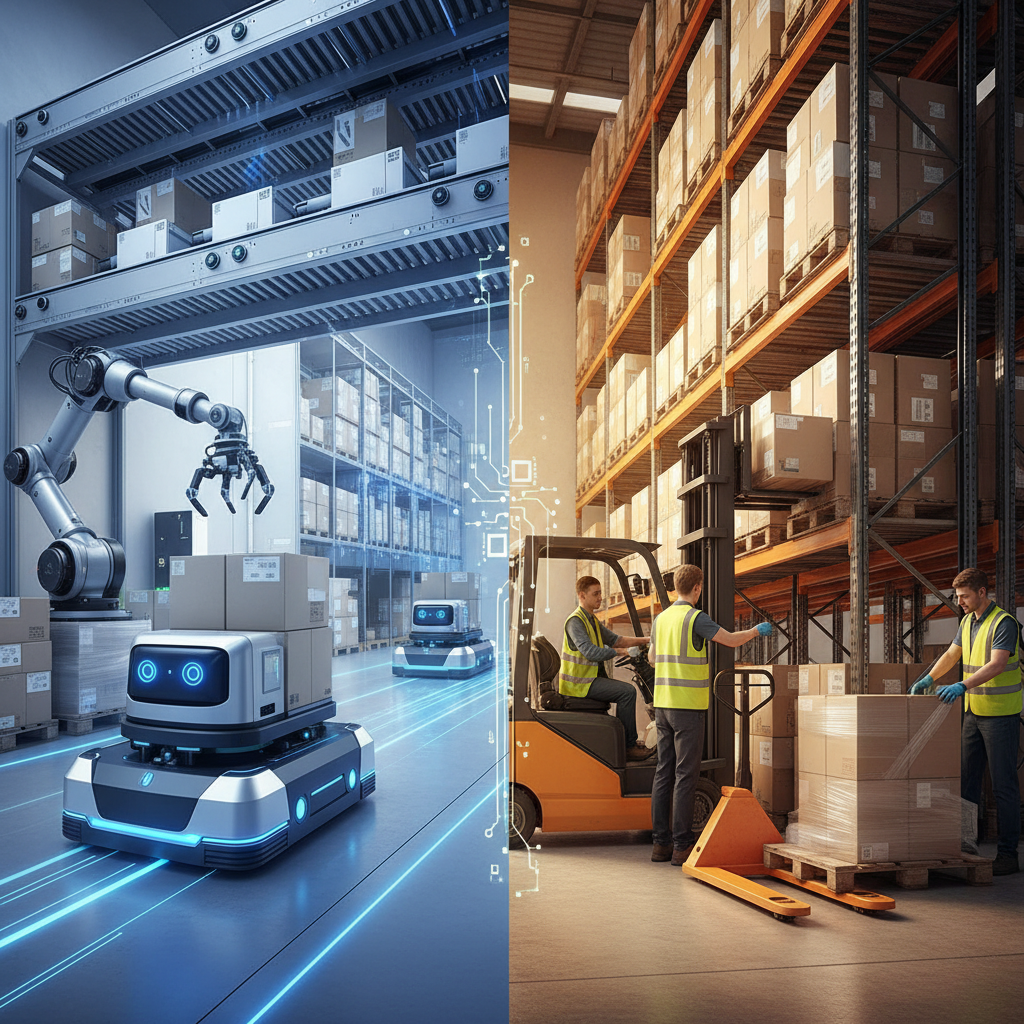
AMR vs Manual Picking Today we're discussing a topic that keeps coming up across industries! Manual vs Autonomous Mobile Robot...
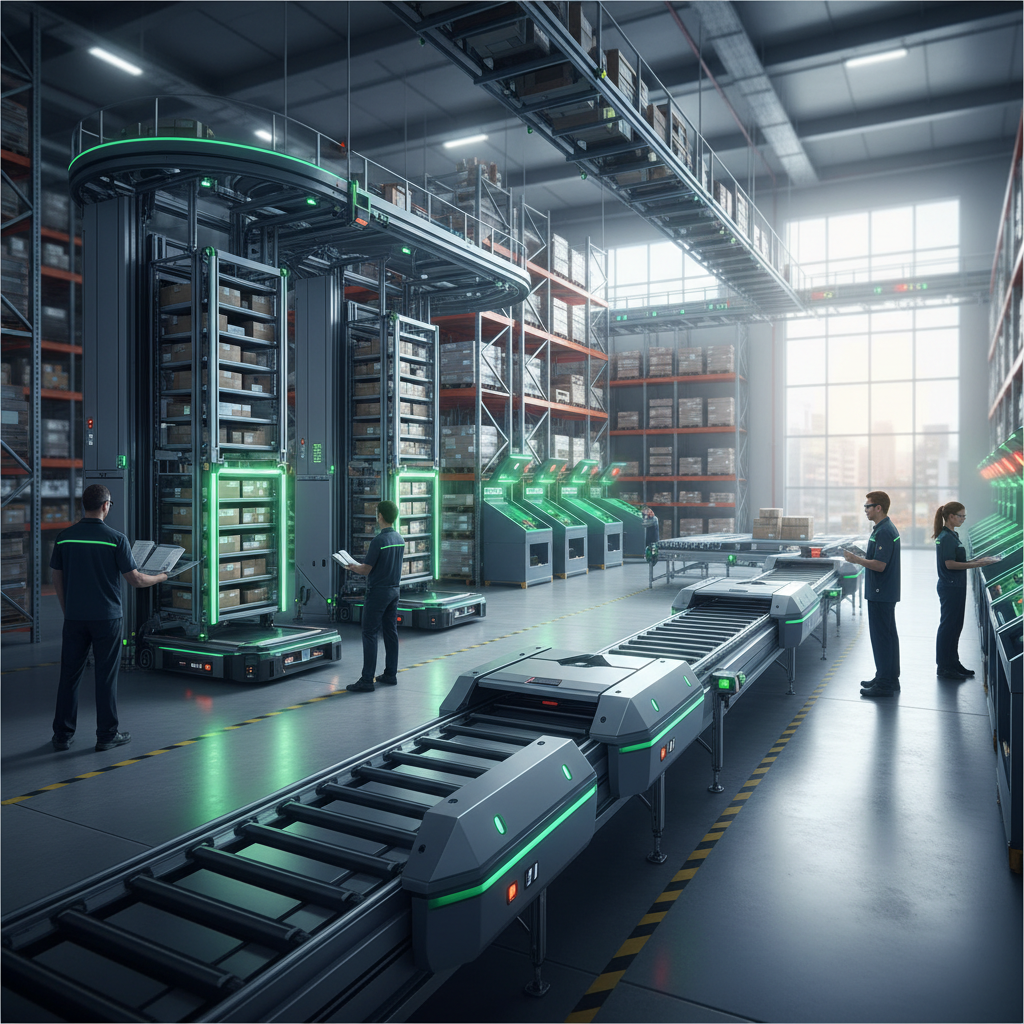
Loop Sorter Cost Analysis Warehouse automation budgets in 2026 demand precision. But as we’ve all learned, initial capital outlay is...
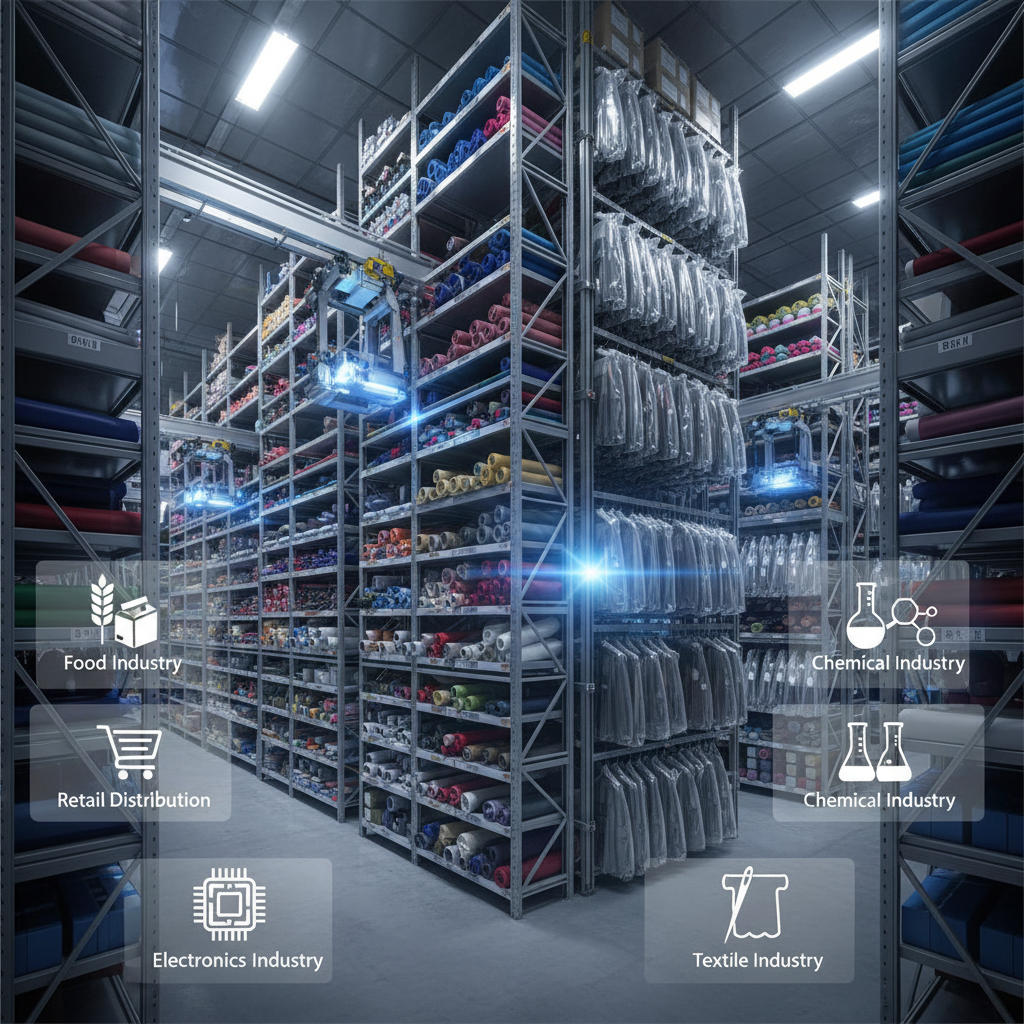
ASRS for Textile and Garment Warehouses Variety is the pulse of the industry. It’s what makes fashion fun. But here’s...

To provide operational excellence, Armstrong Dematic leads the way towards innovative intralogistics and warehouse automation solutions. Our transformations are based on Industry 4.0 solutions.
Follow us on:


