5 Signs Your Warehouse Needs Automation Now
If you’re unsure whether you’ve reached that tipping point, here are five clear signs your warehouse needs automation now and


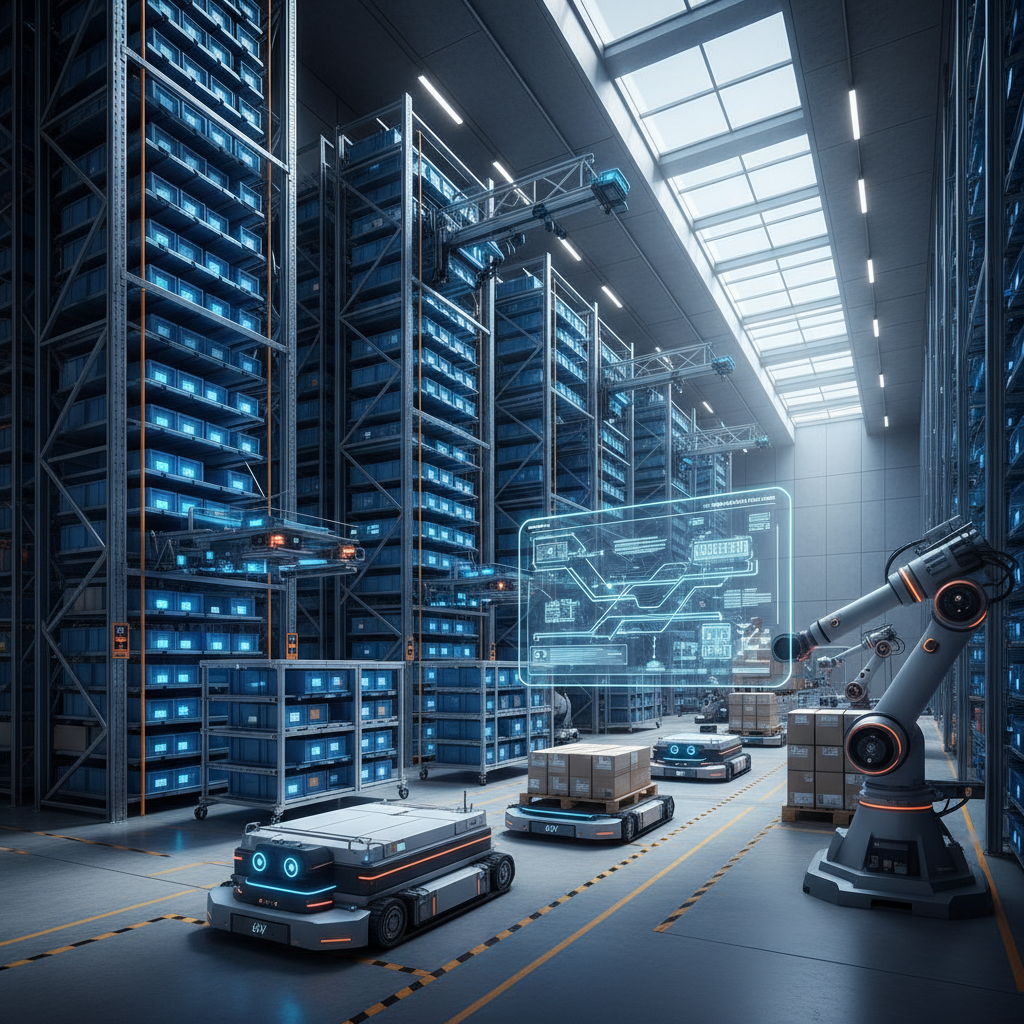
The concept of automation in a warehouse was initially thought about as a way to reduce labor costs. However, with the constantly increasing customer demands and the emergence of e-commerce across the globe, the primary reason to automate your warehouse should be to improve your operational efficiency and increase your throughputs. With proper automation comes the reduction in errors and improvement in productivities that result in a positive impact on the bottom line of your business. The costs associated with warehouse automation are no longer a constraint. The benefits far outweigh the costs and you could easily achieve your ROI in a couple of years with the current trends in automation technologies. Don’t think of it as a cost but as an investment into your business.
What it’s like inside a truly automated warehouse. We’re not just talking about merchandise arriving in driverless trucks, or robotic pallet movers guiding themselves through mammoth distribution centers. It’s what happens inside those advanced facilities when the products hit the shelves, so to speak. A Warehouse Control System (WCS) can direct and optimize every single movement inside a facility, from unloading dock-to-stock receipts, to order picking and shipping dock door scheduling, to equipment maintenance and traffic control. In short, the WCS ensures that the right goods move to the right place at the right time, the goals of all manufacturing and distribution companies. A WCS might be seen as overkill for a small warehouse operation , unless that operation is inside a bigger facility of the same WCS owner. Then the WCS is invaluable.
Smart Warehouse Technology makes processes more efficient, but many of these improvements have been designed in isolation. Warehousing equipment didn’t communicate outside of their silos, and machine learning improved one or two processes without considering downstream effects. A Smart Warehouse System is the missing piece of the puzzle: a centralized platform that connects every technology and process to Turnkey Logistics Systems. This isn’t one-size-fits-all; it’s a tailored solution that helps you make the most of your existing equipment and software while adding the right new tools along the way.
Indian warehouses are reeling under severe labor crunches. Manpower that is willing to do the monotonous, physically demanding, and risky job of handling and lifting materials under Indian middle-mile warehouses is increasingly scarce and exorbitantly expensive. In such a scenario, Automated Warehouse technologies seem to be the best bet. AMR or Autonomous Mobile Robots can perform manual material handling jobs, moving goods around autonomously. Mobile Robotics does not depend on difficult-to-hire labor and can be flexed up or down based on order volumes. This means that you can easily scale up your operations to handle peak seasons without the need to hire temporary labor. And, Warehouse Robots work without stopping, so you do not have to worry about nightly or holiday shifts affecting your throughput.
Quality is no less important than speed. Customer satisfaction drives success, but substandard products may slip through unnoticed, especially for automated reorder systems. It’s critical to catch errors before products leave the building. Vision Inspection Systems analyze products for defects, discoloration, or damage, often more accurately than manual inspections. Automated Labeling Systems apply labels in the exact same place every time, including tamper-proof seals, which is crucial for traceability in the food and pharmaceutical industries. Vacuum Conveyors gently move delicate materials with no loss of product, improving product quality and consistency. Automatic Checkweighing ensures that the right quantity of product is delivered in the right packaging, preventing costly overfill and recalls due to underweight packaging. Rejected products are detected and removed automatically. All these factors protect your brand while giving your business a competitive edge.
We’ve gotten so good at storing and moving vast amounts of inventory in extremely efficient ways it’s actually become a problem. A good problem to have, true, but every square meter of warehouse space in major Indian cities costs nearly as much as residential property, so inventory that sits on the floor is a problem you’ll feel in your bottom line. ASRS Warehouse stores goods 20-40 meters high with automated cranes or shuttles, so you can store more of everything in less space.
Energy efficiency is another upside. AGV Systems and Autonomous Mobile Robots run on electric power and utilize regenerative braking. Palletizing Systems equipped with servo motors can precisely control speed and force, eliminating unnecessary movement and preventing equipment damage. Automated Warehouse lighting and climate controls can be activated based on occupancy, decreasing your electric costs. This not only benefits the bottom line over the long term but also helps to maximize the ROI of automation and promote a more sustainable operation.
It’s difficult to make predictions, especially about the future. But when it comes to Warehouse Automation, the trends are clear. To meet rising customer expectations, eCommerce fulfillment timelines, and same-day delivery demands, ASRS technology, Goods to Person Robotics, and Automated Pallet Transport will be essential. The unprecedented growth in SKU proliferation will require the agility and density that only vertical storage and retrieval solutions can provide. Finally, the competition for quality employees, particularly in the warehouse and materials handling sector, will make the recruitment and retention advantages of Automated Material Handling undeniable.

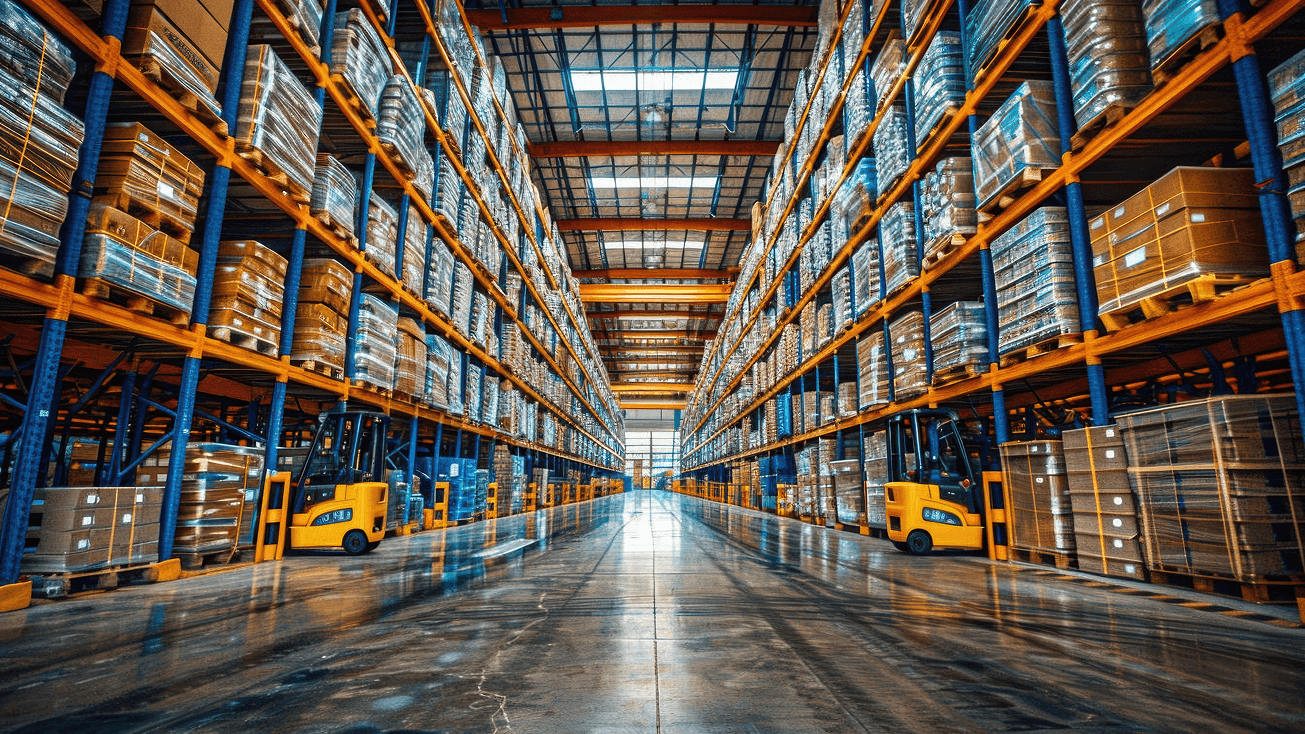
If you’re unsure whether you’ve reached that tipping point, here are five clear signs your warehouse needs automation now and
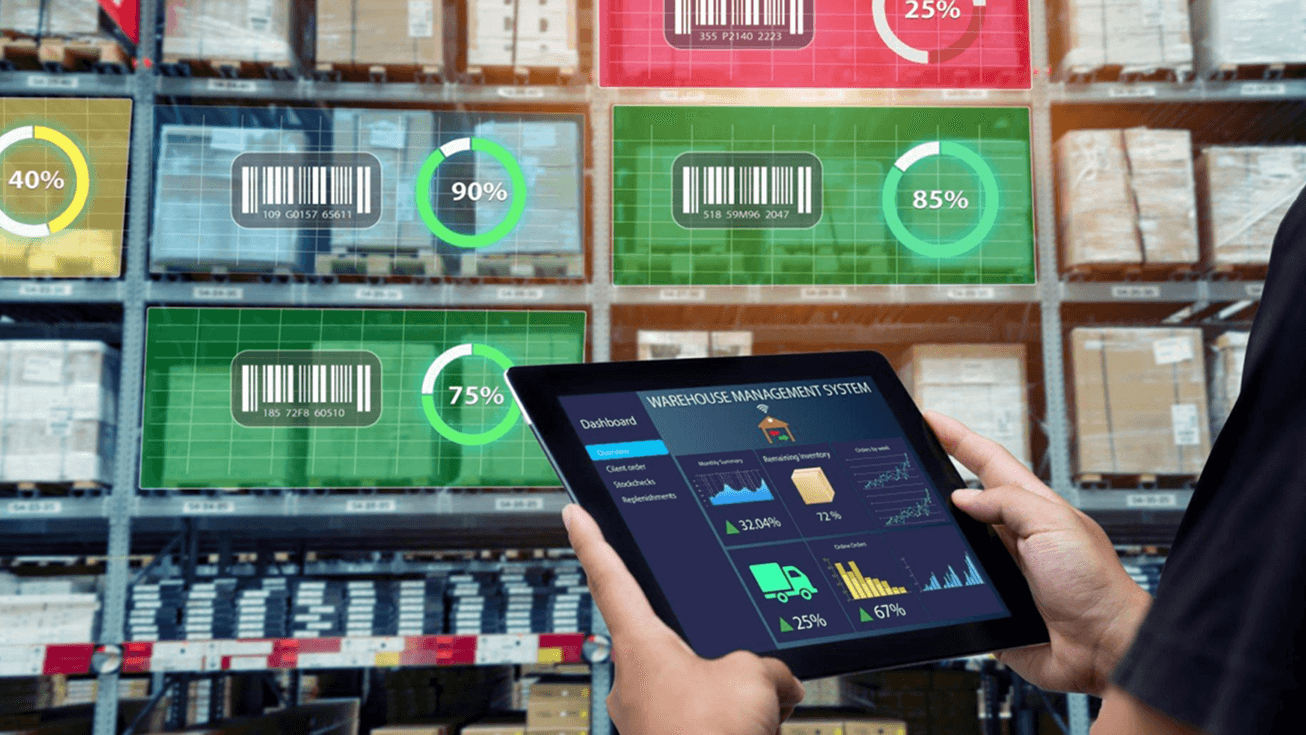
Managing a warehouse efficiently is key to the success of any business. With the rise of automation and technology, warehouse
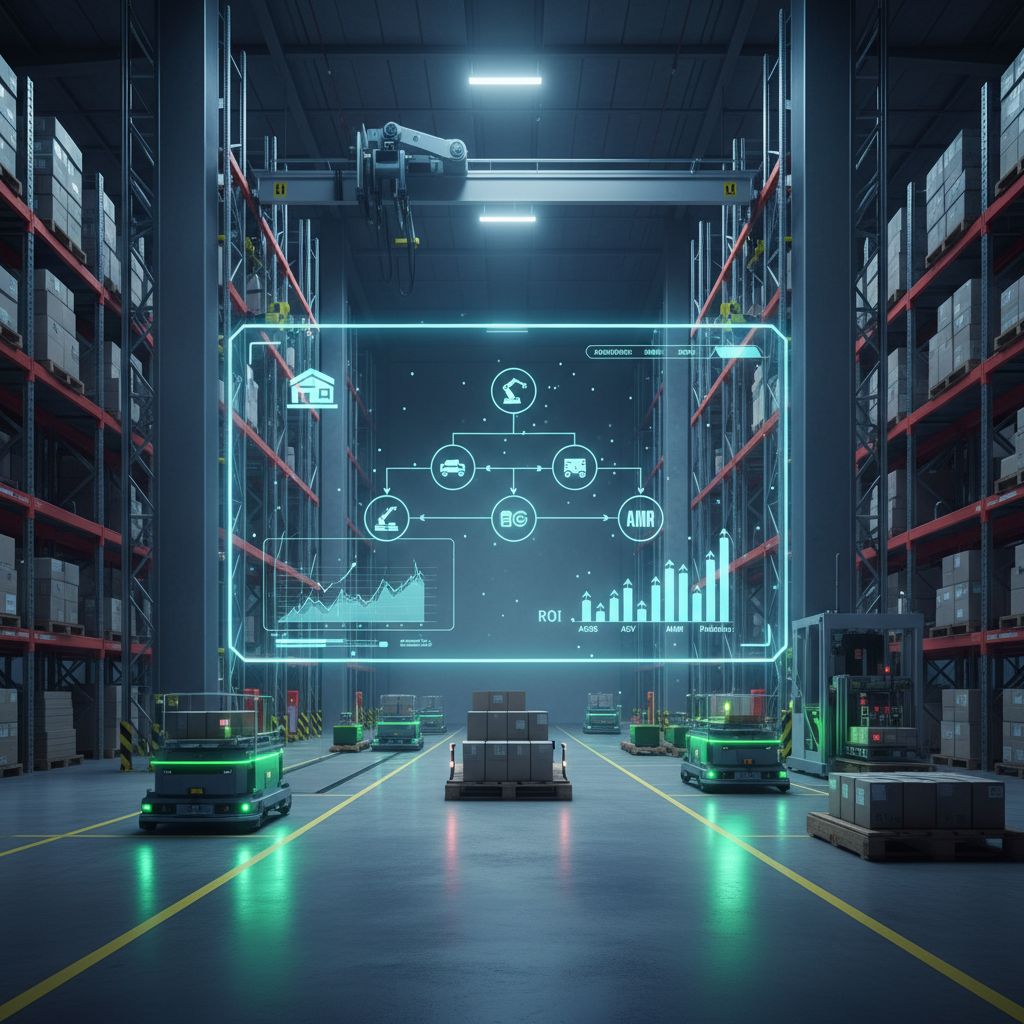
How to Choose a WMS Vendor Choosing the right warehouse management system vendor is probably one of the most important...

To provide operational excellence, Armstrong Dematic leads the way towards innovative intralogistics and warehouse automation solutions. Our transformations are based on Industry 4.0 solutions.
Follow us on:


