Pallet Shuttle Storage System Guide
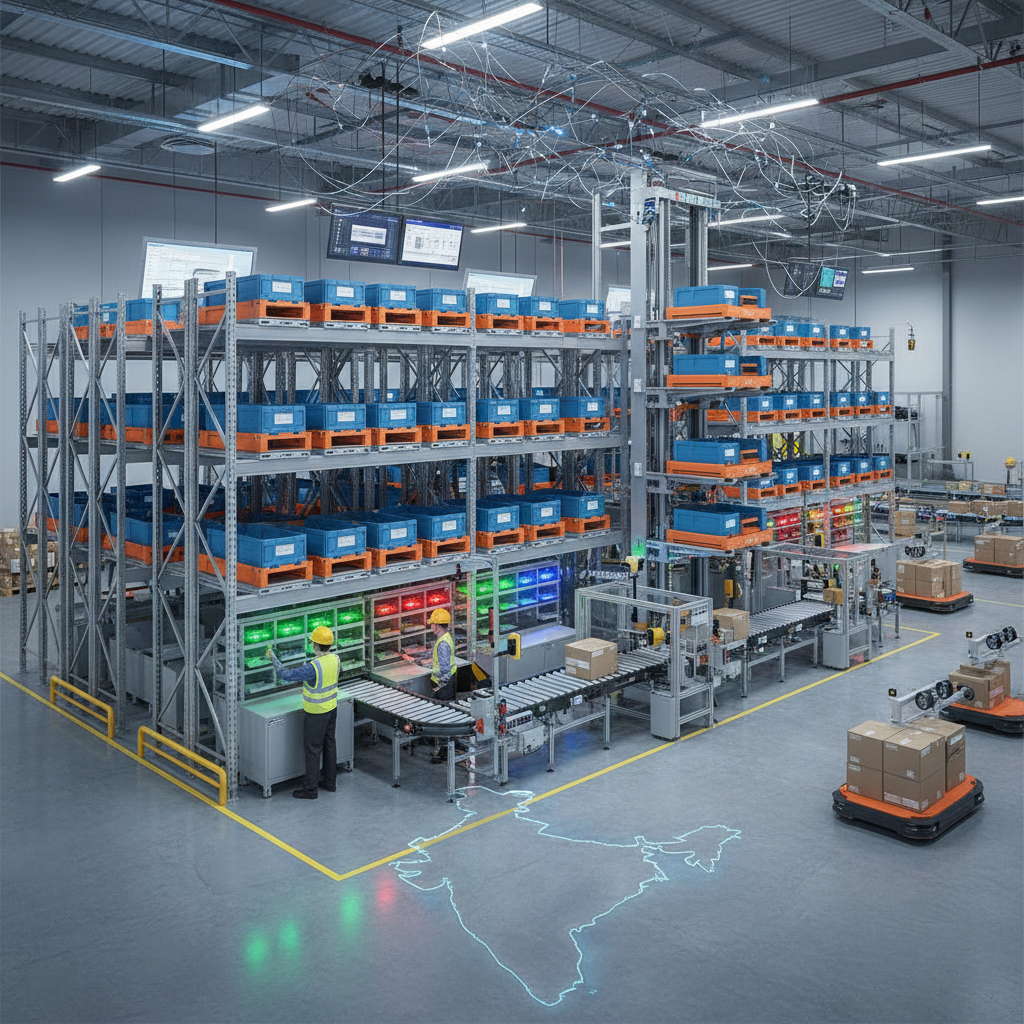
Pallet Shuttle Storage System Guide Industrial real estate costs are going up and up. This is a big problem for...


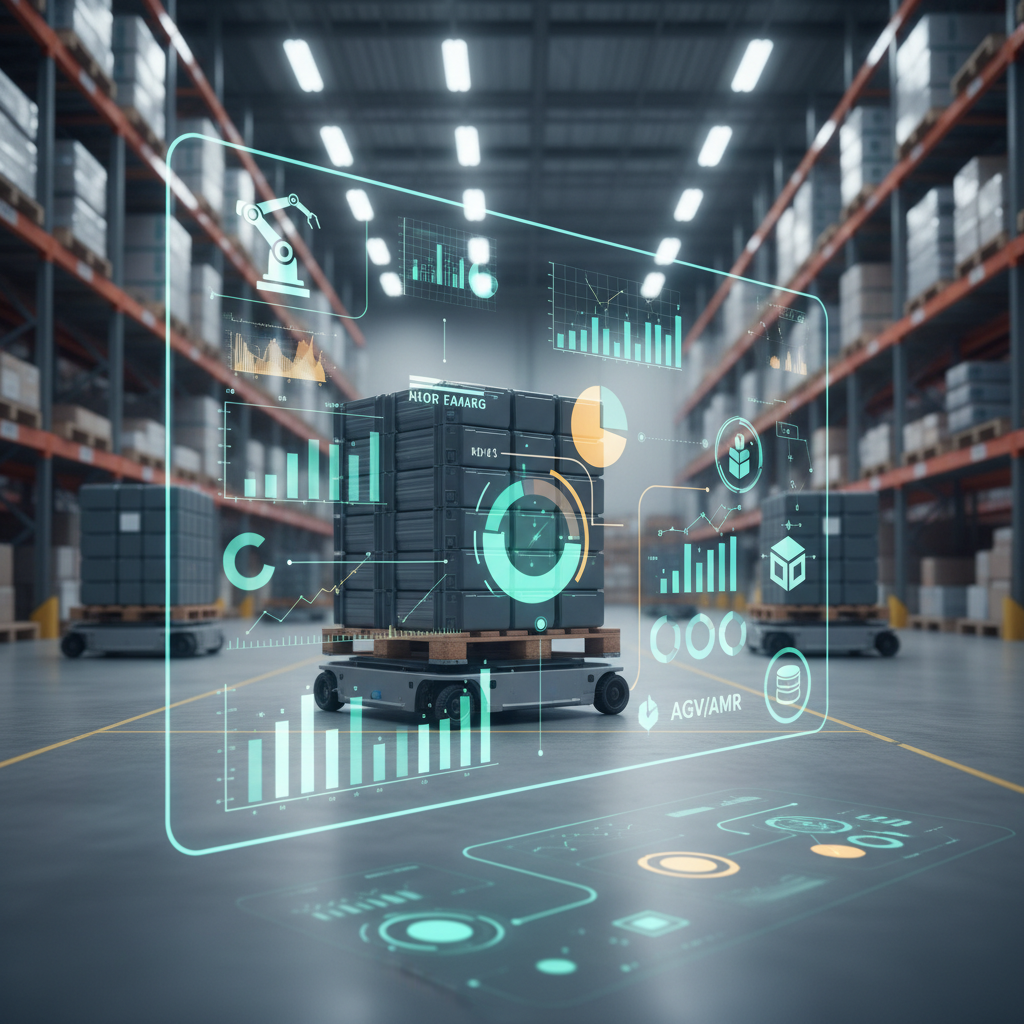
What if I told you that most warehouse managers with AMRs see payback in 12 to 18 months for single-shift operations, even without factoring in the massive increases in throughput? Or that freeing up floor space for storage racks instead of fixed conveyor systems can push that payback down to 6 months? I could go on with more warehouse space facts and figures (like 40% reduction in space needs) and faster picking and putting (up to 4X), but let’s stick to the dollars and cents. Here’s what you need to know when calculating return on investment with autonomous mobile robots, or AMRs.
AMRs are more expensive per unit than AGVs. They carry with them all the necessary sensors, computer processing to handle real-time simultaneous localization and mapping (SLAM), and collision-avoidance calculations. One AMR ranges from $25,000 to $80,000, depending on the payload and how sophisticated its fleet-management software is. But the cost of the robot is only a part of the picture. Fixed automation requires tapes or wire tracks (or even new geo-fencing sensors in high-end 3PL warehouses) to be installed during several weeks or months of down time, at a cost of $50,000 to $150,000. Since AMRs require zero infrastructure, you can literally unbox them and begin using them to transport pallets or totes the same day.
Paying more for warehouse automation software than for hardware may sound peculiar. But when this software enables a robotic forklift to install itself, reacts automatically when you add a pop-up picking station or new racks, and can be moved to an entirely different fulfillment center and retrained by a remote operator, suddenly, screaming conveyor discounts look a lot less critical than they did on the first quote.
Up to 60% of a manual picker’s time in a large fulfillment center is spent walking. AMRs turn that model on its head. The bots bring totes or shelving units to the stationary human pickers. They stay in one place, grabbing items as the robot presents the inventory in the right order. Then the AMR races the tote back to its home. This goods-to-person model can double or triple picks per labor hour. Multiplied over a 100-person shift, the labor savings will pay for the annual lease or depreciation on the robotic fleet in a year and a half, two years at the outside.
AI-driven route optimization adds another layer of efficiency. Modern AMR fleets share a central traffic controller that assigns tasks based on real-time congestion, battery levels, and order priority. If three robots need to cross the same aisle intersection, the system staggers their paths to avoid bottlenecks. That dynamic routing cuts empty travel miles by 20 to 30 percent compared to static zone assignments. Every mile saved is energy conserved, faster cycle times, and fewer robots needed to hit the same throughput target. When you model warehouse automation ROI, those incremental gains compound quickly across thousands of daily trips.
Error rates for manual picking are estimated to be between 1 to 3 percent for high-velocity warehouses. That may seem low, but when you account for the cost of processing returns, fielding customer service calls, and the loss of future business, “free” product adds up quickly. AMRs integrated with pick-to-light or barcode-scan confirmation raise that accuracy to 99.5 percent or better. The robot presents the picker with the exact SKU, the correct bin lights up, the associate scans to confirm, and the robot moves the bin or tote to the next station. Free product is an order of magnitude lower, and returns decrease by the same amount.
The cost is one factor. Although the reverse logistics costs typically run about 10% of total supply-chain costs, that’s still a big number when, all told, the whole Logistics & Fulfillment budget can easily exceed 10% of total revenue. But the real headache of processing returns doesn’t come from the 10-20% of returns for which there’s something wrong with the product. It comes from the better part of the remainder. It’s the half or so of returns that are over-order, not-as-expected, better-price-somewhere-else, or did-not-fit. Most of these end up as distressed inventory, often selling at 52% off. Whew. Smoothing out order fluctuations and eliminating mispicks via AMRs reduce those hidden, but real costs.
Should you rent or buy robots? That’s a tough question, but at least you’re not alone in facing it. In factories and warehouses around the world, more and more managers are weighing the pros and cons of acquiring material-handling equipment through traditional capital appropriations, as opposed to forklifts and conveyors that they’ve always leased or owned, instead of used cell-based manufacturing. This is a big decision because AMRs do more than automate simple, repeatable tasks. They alter, often radically, the physical footprint of a facility and its daily operation by providing adaptable automation with relative ease. This can lead to significantly more output, with faster and more predictable cycle times and greater energy efficiency. And they’re easiest to install when factories can’t afford to expand or can’t easily do so.
Seasonal businesses or fast-growing startups, RaaS provides the financial flexibility that traditional CapEx simply cannot match. You take ten robots to handle peak holiday volume and then return them in January without saddling your balance sheet with idle assets. That flexibility can raise your effective AGV ROI and AMR ROI because you only pay for excess capacity when you need it. Conversely, mature operations with consistent throughput frequently determine that a purchase yields superior five-year economics, inclusive of residual asset value and total lower payments.
Seamless API Integrations: Factoring in Low-Code Connection Costs with Existing WMS and ERP Systems
These plug-and-play options cut integration time from months to weeks and reduce consulting fees by half or more. In your RFQs, ask for specifics about how the AMR software integrates with your WMS. If they show you a screenshot and a list of recent clients instead of scheduling a call and quoting you a bill, you probably won’t need to buy any middleware.
Last but not least, make sure the selected WMS supports streamlined integration methods. RESTful APIs and event subscriptions, for instance, indicate low-latency, real-time interactions with external systems. Conversely, a WMS solution that requires you to upload a batch file to an FTP server every time an order is submitted is likely to be slow and less reactive. This is important because your AMR fleet only brings value if it’s continuously productive, handling as many orders as possible. An AMR waiting around for the next job because it’s not aware of new picks yet doesn’t add to your bottom line.
Real-World Payback Windows: What a Typical E-Commerce or 3PL Fulfillment Center Expects Within Year One
A mid-sized e-commerce fulfillment center processing 10,000 orders per day can expect to deploy 15 to 25 AMRs to handle peak-hour volume. At an average cost of $50,000 per robot plus $150,000 in WMS integration and training, the total project runs around $1 million. Labor savings of $500,000 per year (replacing or redeploying 10 to 15 pickers) plus accuracy improvements worth another $100,000 in avoided returns yield a simple payback of roughly 20 months. Add energy savings, reduced worker-compensation claims from repetitive strain, and the ability to defer a building expansion, and payback often drops below 18 months.

Pallet Shuttle Storage System Guide Industrial real estate costs are going up and up. This is a big problem for...
Technology has grown rapidly in a few decades and we are its witness. The IT Sector could be the best
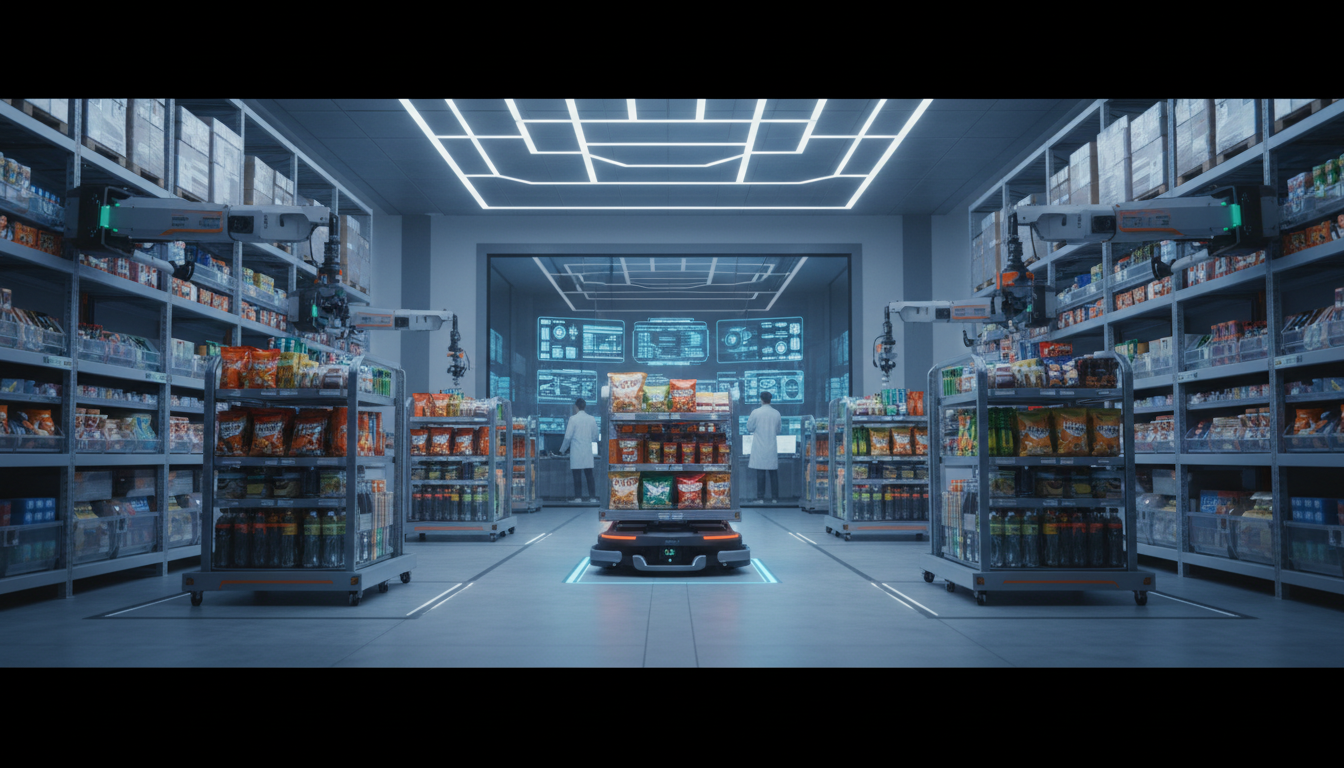
WMS for FMCG Distribution Centers Fast-moving consumer goods are like a river; they just keep flowing despite whatever obstacles are...

To provide operational excellence, Armstrong Dematic leads the way towards innovative intralogistics and warehouse automation solutions. Our transformations are based on Industry 4.0 solutions.
Follow us on:


