Smart Storage Systems for Modern Warehouses
Smart Storage Systems for Modern Warehouses Moving Beyond Traditional Static Pallet Racks In todays world the old way of storing...


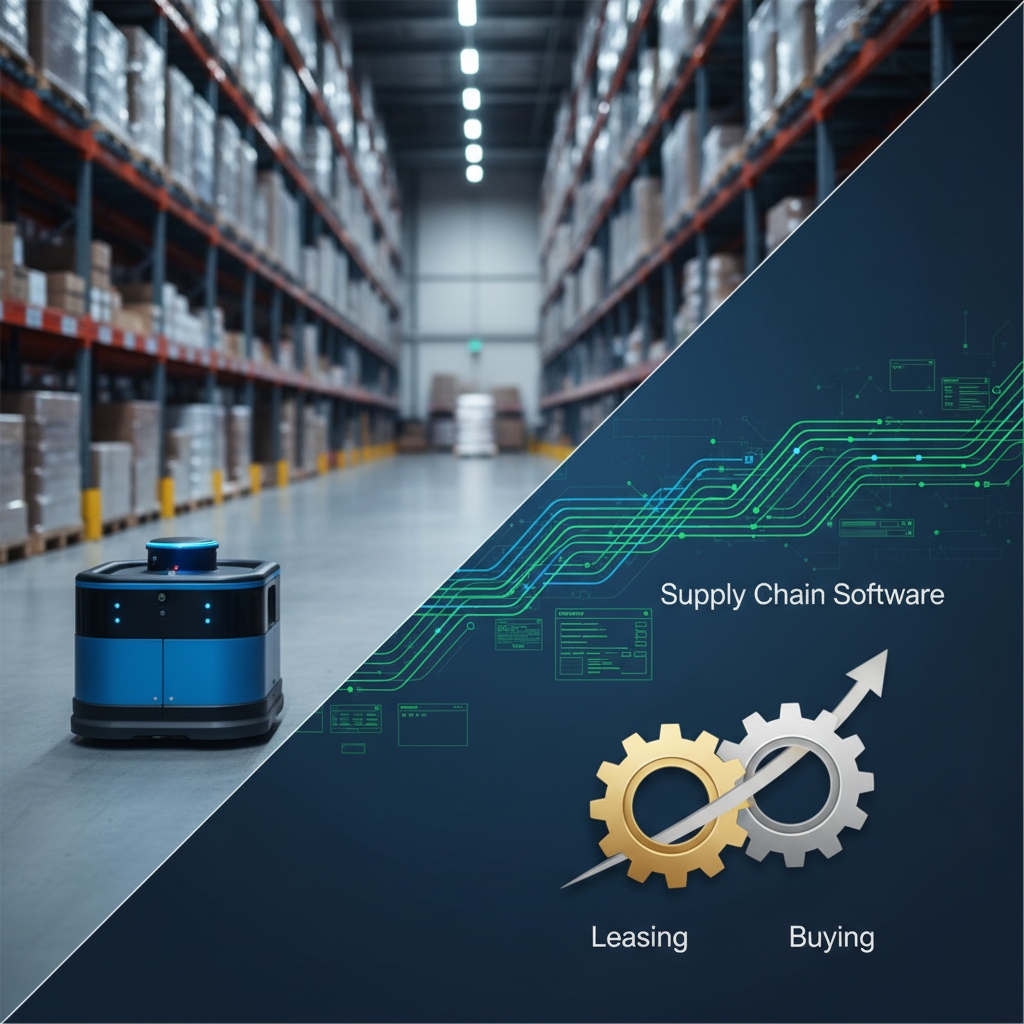
We’re being asked to do more with less, to be more flexible and quick to adapt, to grapple with peak demand volatility and inspire a distracted workforce. Enter a robotic and cobotic solution that plays nicely with existing systems. But hang on, how will we pay for it? It’s a scenario playing out in countless warehouse, distribution, and e-commerce centers across the country. Warehouse automation has reached an inflection point. Demand for e-commerce order fulfillment is outstripping available labor. Expectations of B2B and B2C customers are escalating. The question isn’t whether to automate anymore. It’s how do we pay for it? Specifically, should we take capital and own our equipment, or operate with a service model?
Traditional warehouse equipment like forklifts or conveyor belts follow a predictable depreciation curve. You buy the asset, amortize it over seven to ten years, and plan for eventual replacement. AMRs disrupt this model because they combine hardware, embedded software, and cloud-based fleet orchestration into a single package. When you acquire an AMR, you are not just purchasing a physical robot. You are signing up for ongoing software updates, sensor recalibration, battery replacements, and integration with your warehouse management system. This bundled nature makes the total cost of ownership far more complex than a simple purchase price. Leasing, or Robots-as-a-Service (RaaS), emerged precisely to address this complexity by wrapping hardware, maintenance, and software subscriptions into a single monthly fee.
A more recent twist comes in easy outs. If you acquire a fleet and six months in, you realize cobotics aren’t for you , maybe the fleet manager retired who championed the idea, maybe vision-based obstacle avoidance isn’t ready for prime time , you’re pretty much stuck with robot-shaped boat anchors until you depreciate them to zero. Obsolescence protection through short collection cycles also allows for flexibility in revaluating your AGV/AMR commitment or suppliers every three to five years. If your business transforms from homogeneous pallet handling to piece picking, you want a smoother path from where you are now (even if that’s robotfree) to where you’re going. A lease contract can phase robots in gradually, or you can rent before committing to capex. However, while we like easy outs, we don’t view them as a primary driver of the lease vs buy decision.
Rephrasy: Robot as a Service (RaaS) is a pay-as-you-go model common in many SaaS offerings. Instead of buying the robot outright, paying for annual service contracts, and expensing the most common and substantial costs of ownership (downtime and repairs), you outsource the entire issue to a RaaS provider. They’ll bring the robot(s), provide preventive maintenance to keep them healthy, and charge you a simple, per-robot per-month fee. The fee typically also includes the robot’s “hotel” or the storage rack where it 00waits for the next order, and nearly everything else: the software, license costs, and software maintenance. Some RaaS providers are even insuring against robot obsolescence and failure.
RaaS isn’t ideal for everyone, but it’s a valuable tool in many scenarios. Companies with access to cheap capital and in-house integration talent can achieve lower long-term costs by purchasing robots outright. For businesses that lack these advantages, which make up the majority of prospective buyers, RaaS spreads the expense over time and packages the technology and support, which simplifies budgeting and forecasting compared to a capital expenditure. It’s also an effective way to test different technologies before making a full investment.
E-commerce and retail distribution centers experience dramatic seasonal swings. Diwali, Republic Day sales, and year-end holidays can triple order volumes for weeks at a time. Purchasing a fleet sized for peak demand means you own expensive robots that sit idle for nine months of the year. RaaS providers offer burst-capacity clauses, allowing you to add 20 or 30 extra robots for October and November, then return them in December. You pay only for the months you use them, aligning robot financing with actual revenue. This elasticity is nearly impossible to replicate with a purchased fleet, where every unit represents sunk cost whether it runs one shift or three.
If you can’t say ‘yes’ to all those considerations, RaaS is a better option. Your monthly OpEx will be higher than your all-in costs on an equivalent fleet of purchased robots, but you don’t need to obsess over delivering minimum annual, or even monthly, run-hours per paid-off robot. You don’t have to worry about losing tomorrow’s efficiency gains if you miss something in today’s technology sweepstakes. You don’t end up with an unused fleet on your balance sheet if your business unexpectedly contracts. And to the question the board will inevitably ask, yes, the domicile of a third-party robotic fleet operator somehow has a lower depreciation rate than our own assets.
Ownership is autonomy. It enables control over how your robots are used to generate and/or save millions of dollars. With a full cost of less than $2 per hour, a typical autonomous mobile robot can eliminate $600,000 in labor costs annually. enhancing labor arbitrage advantages”. Ownership also grants control. You choose your maintenance schedule, select third-party service providers if OEM pricing is uncompetitive, and customize software integrations without waiting for vendor approval.
Depreciation and tax treatment further tip the scales. Our context: lease payments can be immediately expensed, whereas AMR depreciation is spread over several years. Since AMRs are eligible for accelerated depreciation in year one, a higher portion of the asset cost can be expensed at the start of the project. This depreciation relief acts as a tax shield, reducing your effective cost of capital. So leasing will likely have a higher after-tax cost than an AMR until you reach a crossover date , typically around three or four years in. At that point, leasing has the advantage. The exact crossover depends on your location’s tax code and your annual rate of depreciation for AMR analysis. Since you can immediately expense leasing payments but AMR depreciation is spread over several years, the tax shield is not as marked with leasing in the early years. Still, an adjusted AMR tends to maximize the tax advantage of this negative cash flow and minimize the benefit of leasing. More important, the immediate expensing of leasing is not worth as much to a service provider as to a taxable asset owner. For a leasing company, the value is limited to the leasing margin minus the leasing company’s tax shield times the leasing margin. So in our example, it’s not as though leasing has an immediate tax advantage versus an AMR. The leasing cash flow is simply an expense, reducing your taxable income, which means you don’t pay tax on that portion of your income. That expense also tends to get monetized into a larger lease payment, so it takes the leasing company longer to make its money back. So, we think leasing is always the more expensive option for the lessee because they’re not competing with you to provide asset financing. For you, leasing is an option but at a higher cost than financing using your tax shield.
Software Subscription Nuances: Managing Fleet Orchestration Licenses in Purchased vs. Leased Fleets
How does orchestration software work its magic? Every vendor’s secret sauce is different, and even the biggest players keep their cards close. Generally, though, most autonomous mobile robot (AMR) orchestration software platforms use a mix of around a dozen optimization algorithms. These run in the background, constantly gobbling data and scouting permutations. It’s this push, pull of real-time data and proactive forecast that enables software to handle constant change, reschedule on the fly, and make smarter choices based not just on what’s happening right now, but what’s likely coming soon. Robotic traffic cops help expedite the most complex intersections by simulating traffic emulates and halting or rerouting robots accordingly to avoid collisions. Of course, bad or congested intersections aren’t the only factor slowing down your fleet. Uneven battery depletion can stall AMRs. Better software will spread the workload so quicker-charging units replenish more slowly and evenly draining batteries, keeping more robots mobile longer. Stressed chargers can also become a bottleneck. Swarming software predicts charge times and cycle rates to pre-position robots waiting for juice and eliminates as much idle time as possible.

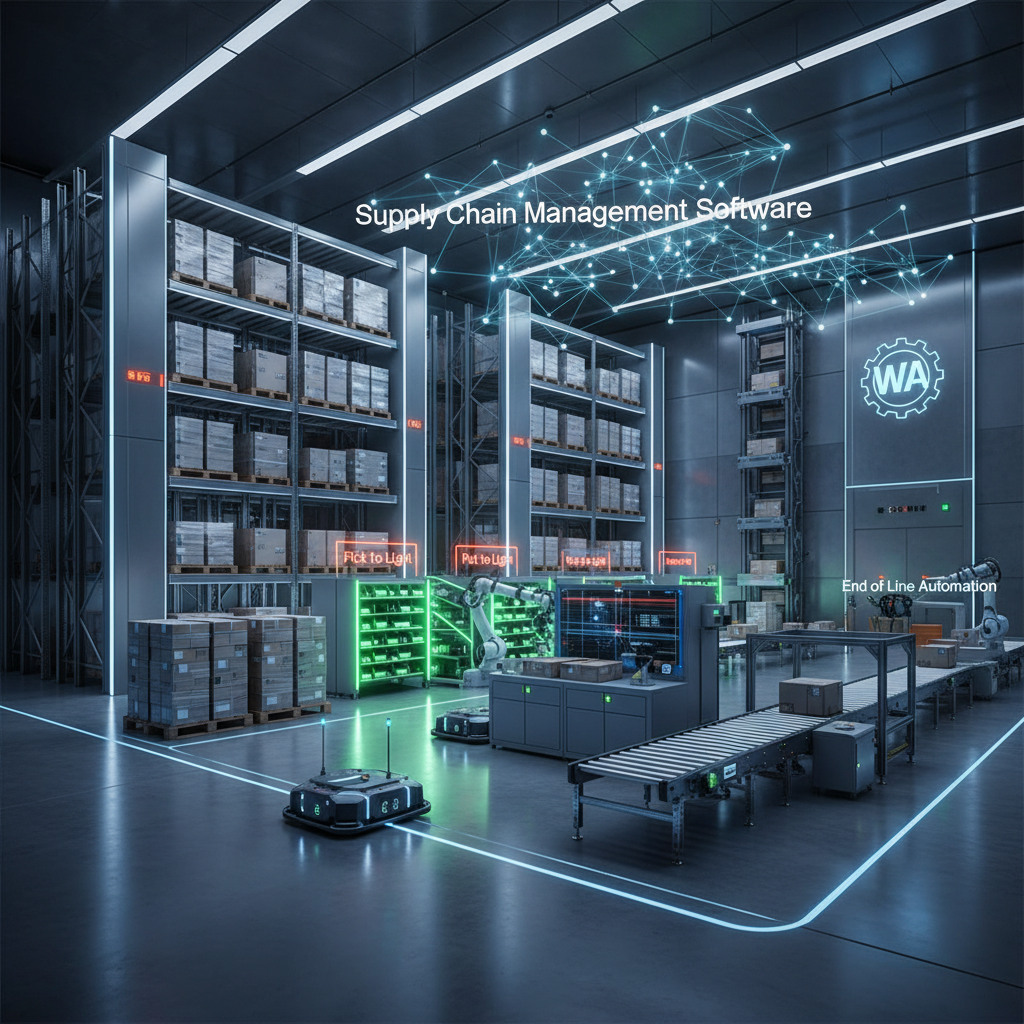
Smart Storage Systems for Modern Warehouses Moving Beyond Traditional Static Pallet Racks In todays world the old way of storing...
“The first rule of any technology used in a business is that automation applied in an efficient operation will magnify
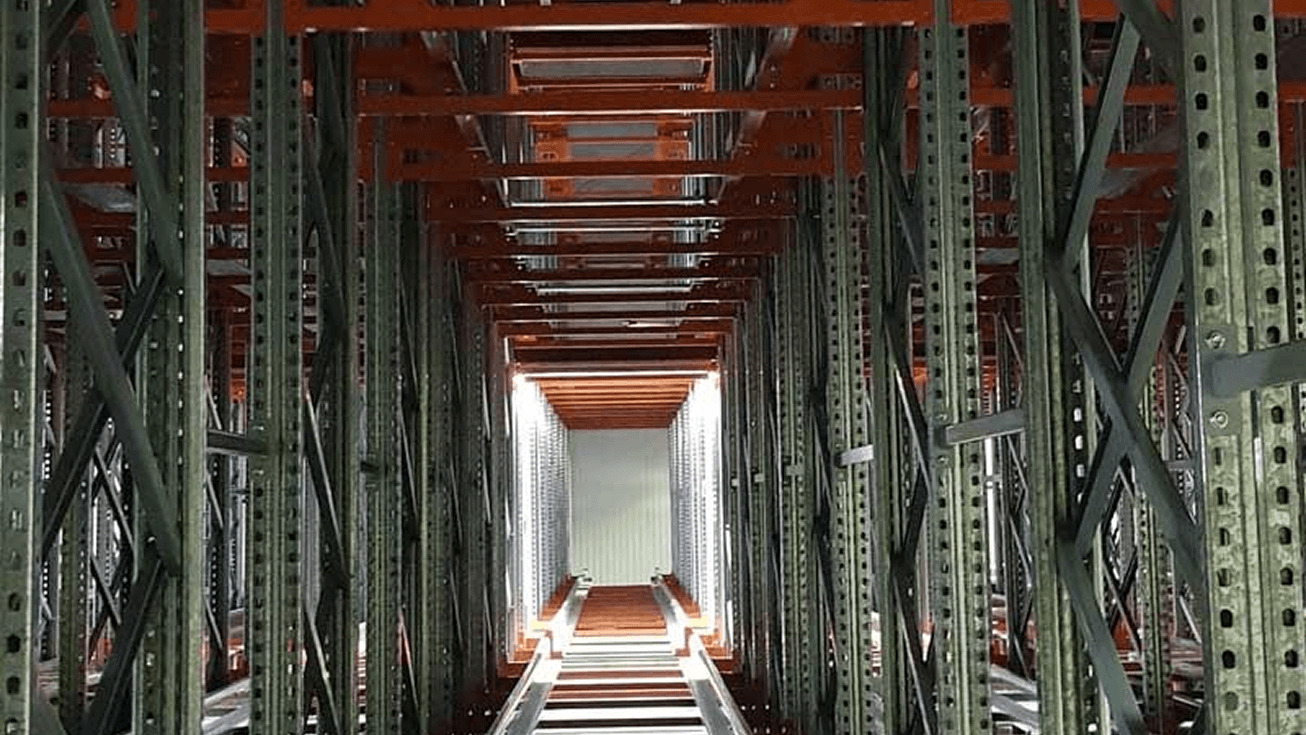
With the dynamic nature and exponential growth of the e-commerce market, there has been a constant variability in demand as

To provide operational excellence, Armstrong Dematic leads the way towards innovative intralogistics and warehouse automation solutions. Our transformations are based on Industry 4.0 solutions.
Follow us on:


