Pick-to-Light System Cost Guide
Pick-to-Light System Cost Guide Warehouse automation isn't just an option for retail giants and e-commerce moguls anymore. As automation technology...


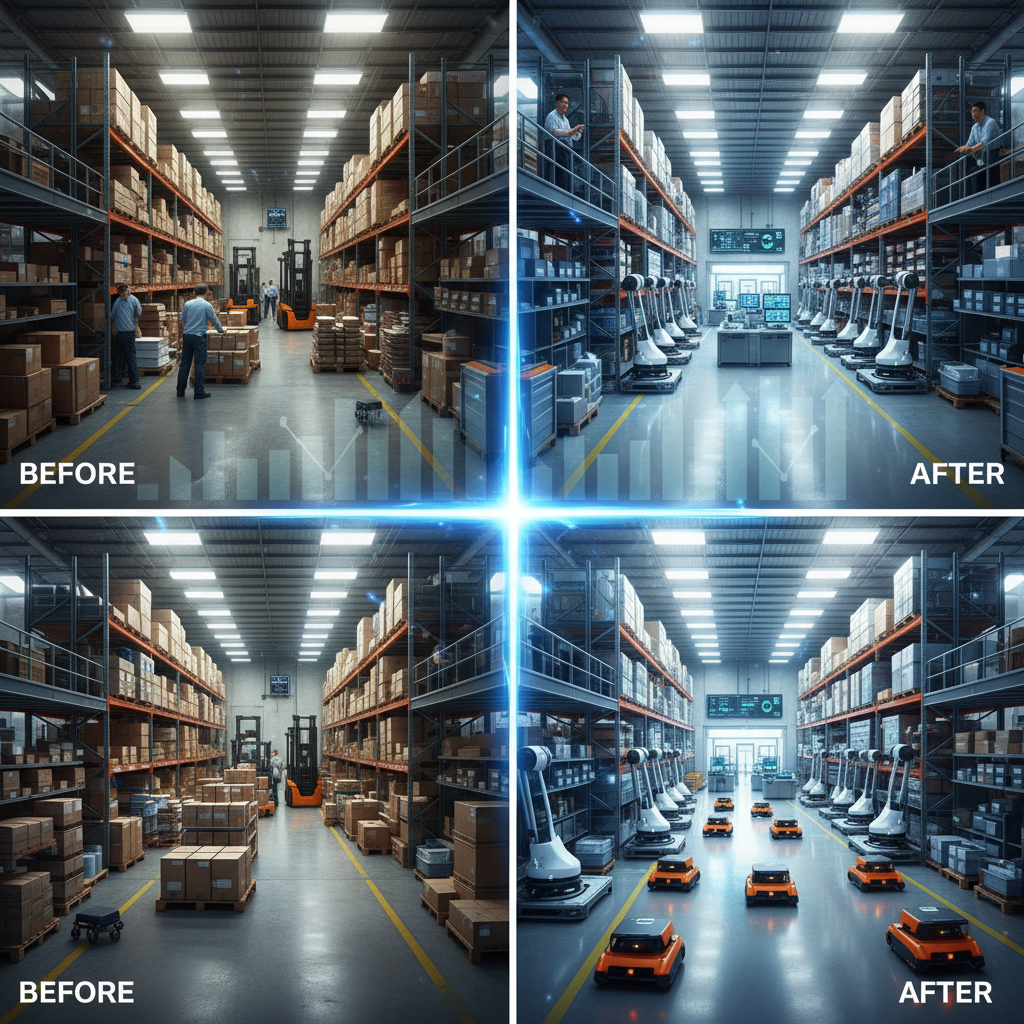
When the cost of labor began to rise, and the inefficiencies became too great to ignore, management at this Minnesota-based manufacturer decided it was time to modernize. Their main concern was finding an automated storage and retrieval system that could deliver the necessary flexibility in the face of future uncertainty. They didn’t want to automate one part of the process and then have to stick with the same approach in five years when things changed. Figure out how to automate picking of discrete items rather than cases or pallets, for example, and you could face major headaches. They wanted freedom to adapt as needed.
Let’s contrast this scenario with a similar regional distributor , same size, same revenue, and similar product lines , who we’ll call Company X. The big difference, however, is that Company X fully automated its warehousing operation five years prior. In 2019, the executive team there contracted with a systems integrator to implement an automated storage and retrieval system ([ASRS](https://en.wikipedia.org/wiki/Automated_storage_and_retrieval_system “ASRS”) “not to exceed $25 million,” with a payback period of just three years. With the exception of a maintenance employee and modifications to processing software, no additional labor (this is the critical metric) was needed, and by 2024 Company X was exceeding $100 million in annual revenue.
First, order accuracy sat at 96.8%, which sounds respectable until you calculate the cost of returns and customer dissatisfaction. Second, labor turnover exceeded 40% annually, forcing the company to run constant hiring and training cycles. Third, space utilization was inefficient. Aisles consumed nearly 35% of the floor, and vertical capacity remained largely untapped. Peak season meant renting overflow space and paying premium freight to shuttle inventory between buildings. The team spent six months building a warehouse automation RFP, interviewing vendors, and comparing ASRS payback periods. Their goal was clear: boost accuracy, cut labor dependency, and reclaim floor space without breaking the bank.
The goals were to increase storage capacity, reduce building footprint, double fulfillment rates, and provide capacity for future growth. The system also needed to improve inventory accuracy to better track expiration dates and lot numbers. The warehouse needed to stay in operation during the installation, and customer delivery performance could not decline. The challenges included low ceilings in the facility, fast-approaching peak-season volumes, and the fact that eaches and inner packs had to remain stored in the VLMs.
Order accuracy jumped from 96.8% to 99.7%. Labor requirements dropped by 32 full-time equivalents. Picking speed doubled. The warehouse could process 22,000 SKUs daily without adding square footage. Labor costs per case, even accounting for the elimination of errors and chargebacks, decreased by thousands of dollars. Energy costs fell 18%. Vertical storage freed up 40,000 square feet. 10-foot aisles had become 3-foot aisles, leaving room for high-velocity items and a new cross-dock zone. Employee turnover, traditionally high in distribution centers, was beginning to creep below 30%.
ROI Achieved
Every dollar was justified, and the ROI was impressive. Labor and space costs drove the storage automation need. It was our most labor-intensive operation, and dense storage was required to contain the growing item master. A failing metal building added urgency because it was over-designed structurally, but under-designed for climate control. Energy costs doubled the year before when we were hit with an unplanned rate hike, and we still planned to expand the building 40,000 square feet just a few years after building it. And how we love ignored storage equipment! Storage-retrieval error transformation effectively defers costly “space-expansion” storage investments. Storage automation is a triple threat.
Key Takeaways
I’ve come to believe that selecting and implementing automated systems in your warehouse doesn’t have to be like rolling a boulder up a hill. Or, if muscular exertion is your jam, approaching this Herculean task a little differently can help you work smarter, not harder. Given that last year (and this year) have seen a 15-year high in warehouse DC construction and we’re seeing significant automation adoption, here are some learnings from my shoes-off tour of potential-to-pour and up-to-the-rafters operational warehouses.
What industries benefit most from ASRS?
Pharmaceuticals, e-commerce, food and beverage, and automotive parts distribution see the fastest returns. Cold storage DCs are more tied to land and construction costs than people realize. Two-thirds of operating costs often go to labor, making ASRS doubly effective. It’s CapEx-intensive to be sure, but the land the building sits on likely cost more. Small parts storage isn’t always the best application. Bulk, cooler, and freezer ASRS are commonly used.
How quickly can businesses recover their investment?
Here’s a rewrite for a more engaging and human-like text: Warehouse automation often pays for itself in two to four years. Autonomous mobile robots may have even shorter payback periods. But preparing capex requests for robotic investments still isn’t for the faint of heart. To get financial approval with confidence, your numbers need to be solid. How can you ensure that your business case is on the mark when you’re making payment commitments for three to ten years? Or longer if you renew leases or subscriptions? Written for newbies and experienced buyers alike, this article provides a comprehensive look at capex investment analysis, separating the obvious from the more subtle considerations. Using the table in the sidebar on what to include and exclude in your model, let’s get started.

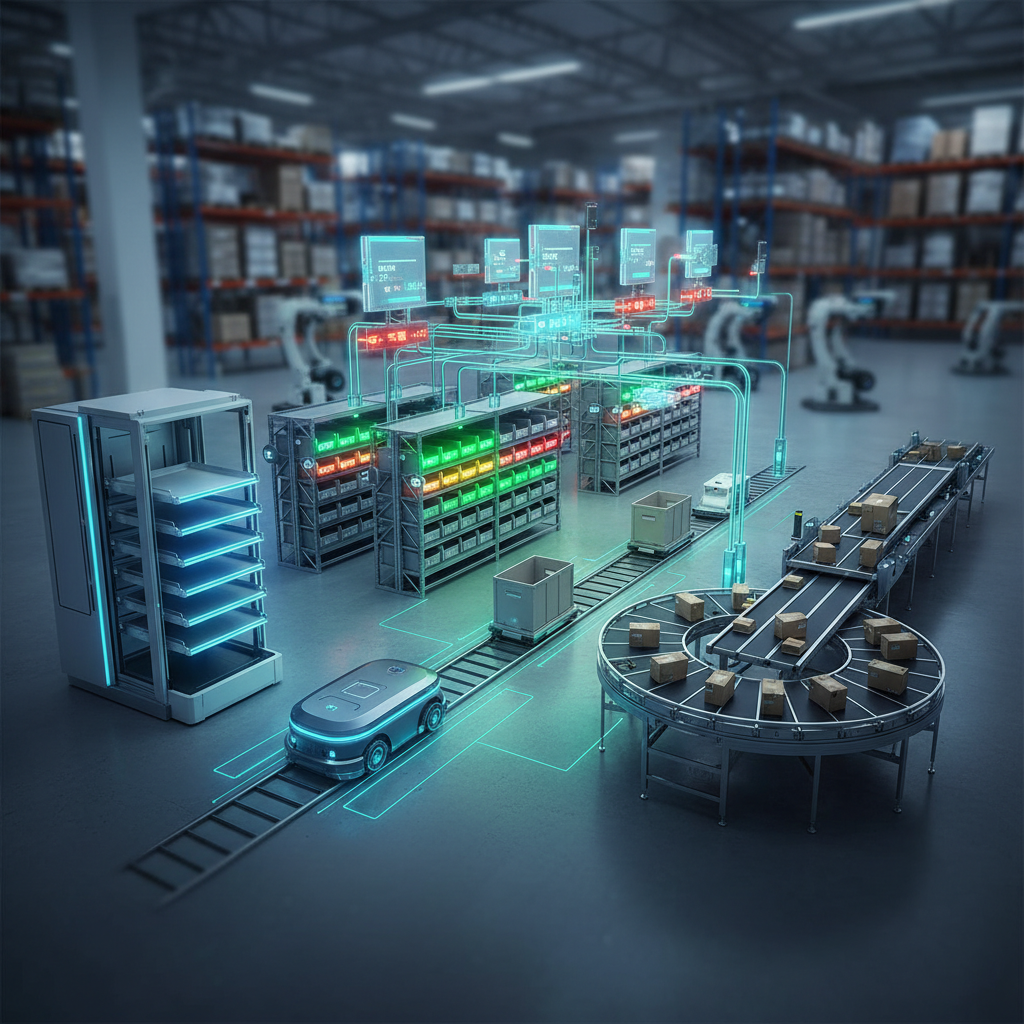
Pick-to-Light System Cost Guide Warehouse automation isn't just an option for retail giants and e-commerce moguls anymore. As automation technology...

ASRS India is a guide to automated storage and retrieval systems. Automated storage is changing the way warehouses work in
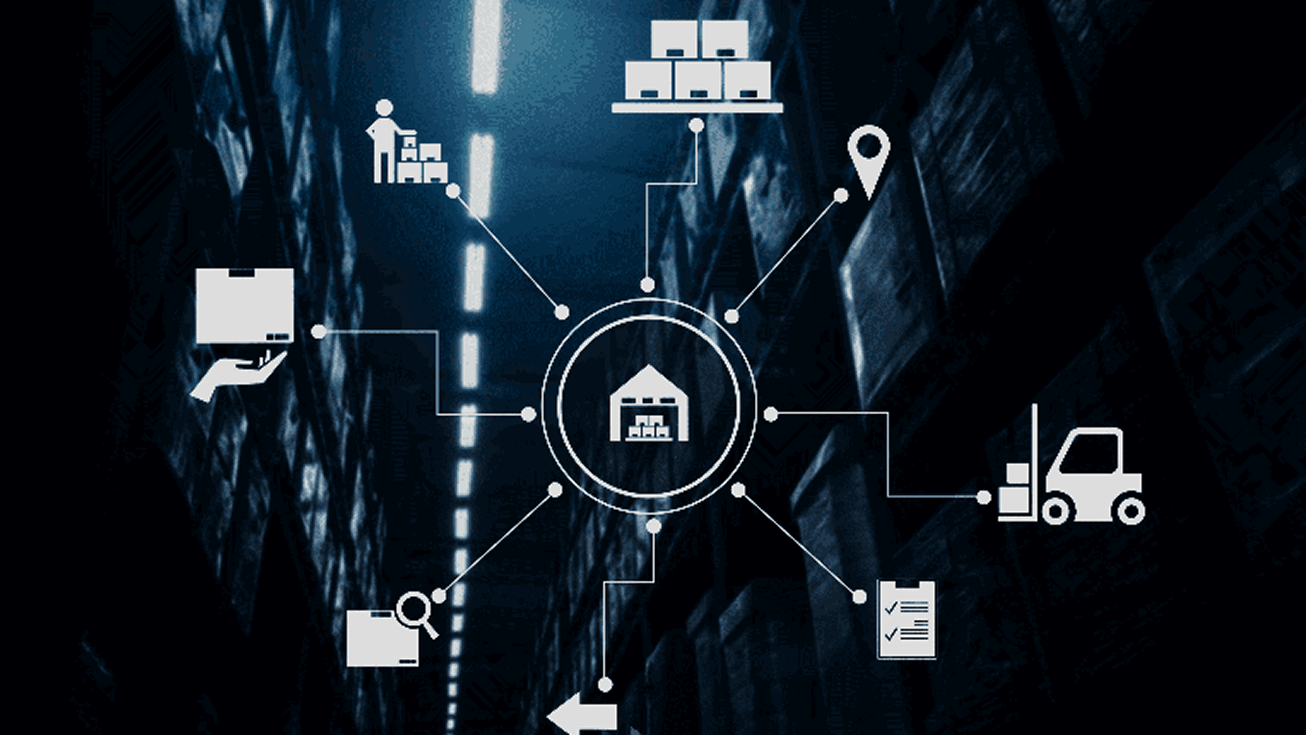
Simply put, warehouse management is the oversight of procedures, personnel, and operations. Consequently, unlike other functional divisions within a business,

To provide operational excellence, Armstrong Dematic leads the way towards innovative intralogistics and warehouse automation solutions. Our transformations are based on Industry 4.0 solutions.
Follow us on:


