Types of Warehouse Robots
The warehouse business is a key contributor to the expanding need for robotics. As new technological developments are made, the


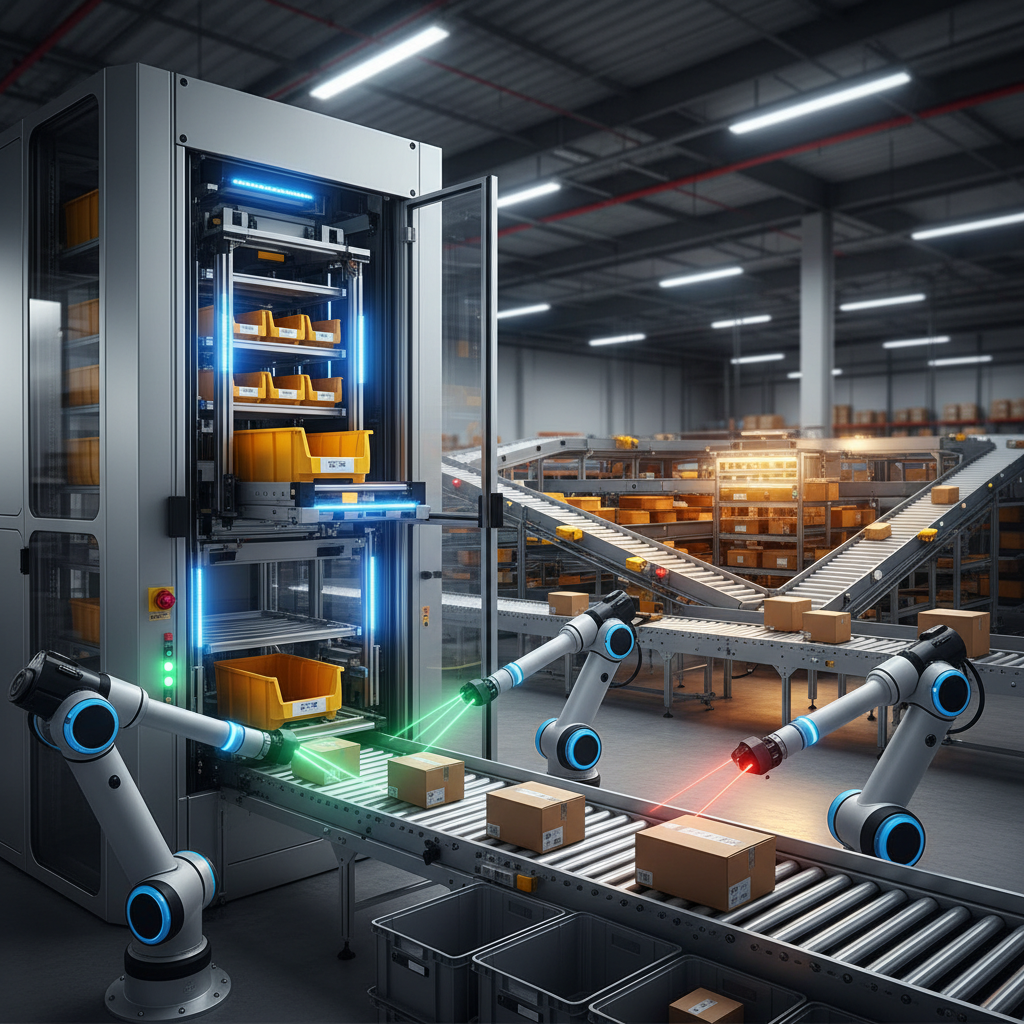
Warehouse automation equipment represents one of the largest capital investments a logistics operation will make and understanding the true cost drivers behind systems like Vertical Lift Modules, shuttle systems, and sortation technologies can mean the difference between a profitable deployment and a budget overrun. In 2026, as labor shortages persist and throughput demands climb, more businesses are evaluating automated storage and retrieval solutions. This guide breaks down the real-world pricing for seven core technologies, from Shuttle System Cost to Narrow Belt Sorter Cost, so you can budget with confidence and avoid unpleasant surprises during implementation.
A Vertical Lift Module (VLM) is an enclosed system of trays that move vertically on dual tracks, delivering goods to an operator at an ergonomic pick window. What is the approximate VLM Cost India you can expect in 2025-2026? As usual with this sort of product, this depends on height, tray count, and related software integration, but generally, smaller models with a 15-foot ceiling and simple controls can start as low as $80,000. At the high end, maximum-height units topping out at 40 feet with fully integrated pick-to-light accessories and the WMS of your choice can cost more than $250,000.
Beyond the base hardware, do the math on site prep. VLMs need reinforced floors to support those points, typically adding $5,000 to $15,000. Three-phase power drops plus network drops and associated cabling are often $3,000 to $8,000. With those factors, plus freight, rigging, and start-up support, the all-in VLNC tab is generally 20 to 30 percent more than the quote. Maintenance contracts with preventive maintenance visits and spare parts are roughly $4,000 to $10,000 per year. Smart buyers plan for a 10-year lifecycle and budget for tray replacements, software upgrades, and motors rebuilt in year five and 10.
The sum for controls is less straightforward and can range anywhere from 10% to 40% of the total shuttle system cost. While the cost of programmable logic controllers (PLCs) and sensors has plummeted over the past decade, many customers prefer to have the system’s controls housed on the shuttle, pushing costs higher. Other cost drivers include the number of lifts and conveyors, facility construction work needed to accommodate the higher rack, and the level of redundancy in the system.
What contributing factors keep elevating costs of these conveyor-based sorters? The broad answer is that the bigger, faster, and smarter conveyor-based systems get, the more expensive they become. If your operation only requires one or two discharge points and flow rates under 60 cartons per minute you’ll be looking at declining prices. Most other scenarios will result in higher costs. Configurations with multiple induction points and lanes, for example, can easily double and even triple the investment costs. Premounted induction hoods and automated induction systems further reduce labor requirements but add substantially to capital expenditures. And they are only the beginning.
How much does Pick to Light Cost? A: Pick-to-light is the highest-resolution, least-latency picking strategy, but that precision and speed comes at a cost. Is it right for your operation? What is Pick-to-light? A ‘light-directed picking’ technology, pick-to-light illuminates displays mounted at operator workstations to indicate which products to pick. Displays commonly show quantity remaining in the order and the number of additional times the order’s been picked to date. Orders can be picked sequentially or blitz-picked. Other light-directed picking options include put-to-light, task-to-light, and pick/put-to-quantity-to-light.
The more recent development of pick-to-light software, Direct Force, creates a more flexible and configurable environment that doesn’t require as much data input as previous systems. This can reduce the overall cost by as much as 20% over picking automation for light goods. The data needed to interface pick-to-light systems with a WMS platform design includes product information, order profiles, and real-time slot assignment updates, with real-time slot assignments typically handled by a central or host server. A 50-slot pick-to-light system including cart or rack mounting hardware costs $15,000 to $25,000, while a standalone light bar that creates a pick face when mounted to a rack or cart costs $900 to $3,000.
Automated sortation and shuttle systems enhance the operational efficiency of distribution and fulfillment facilities; however, significant implementation hurdles must be overcome. First, the concrete floor must be perfectly flat, typically no more than ±1/8 inch over any 10-foot span. Identifying sortation conveyor pricing is another challenge: some older sortation systems are still in full operation after more than 30 years, while keeping sortation systems up and running, along with regular maintenance, can consume continuous-duty devices and their associated interfaces, triggering unscheduled downtime that hampstrings the entire operation. Most sortation equipment requires a 460V three-phase electrical supply, but lower-voltage options can be sourced and built for most systems to accommodate the facility. Is mechanical sortation right for you?
Dual-Motor Sync Drive Calibration Lifecycle Labor Expense
High-speed VLMs and shuttle systems often use dual-motor synchronous drives to maintain precise positioning under heavy loads. Is annual tray calibration too high a price to pay for this level of performance? Probably not, but I’m not sure anyone really knows. However, keeping trays and shuttles precisely calibrated year after year appears to be a condition of the technology. Customers report that if they don’t renew their annual service contracts and perform tray/shuttle calibration, they void the warranty. This alone would suggest that supplier-installed calibration becomes a lifecycle cost of whoever owns the technology, making it, at least in part, a reason to acquire new technology rather than it being a life-extending consideration of an existing asset.

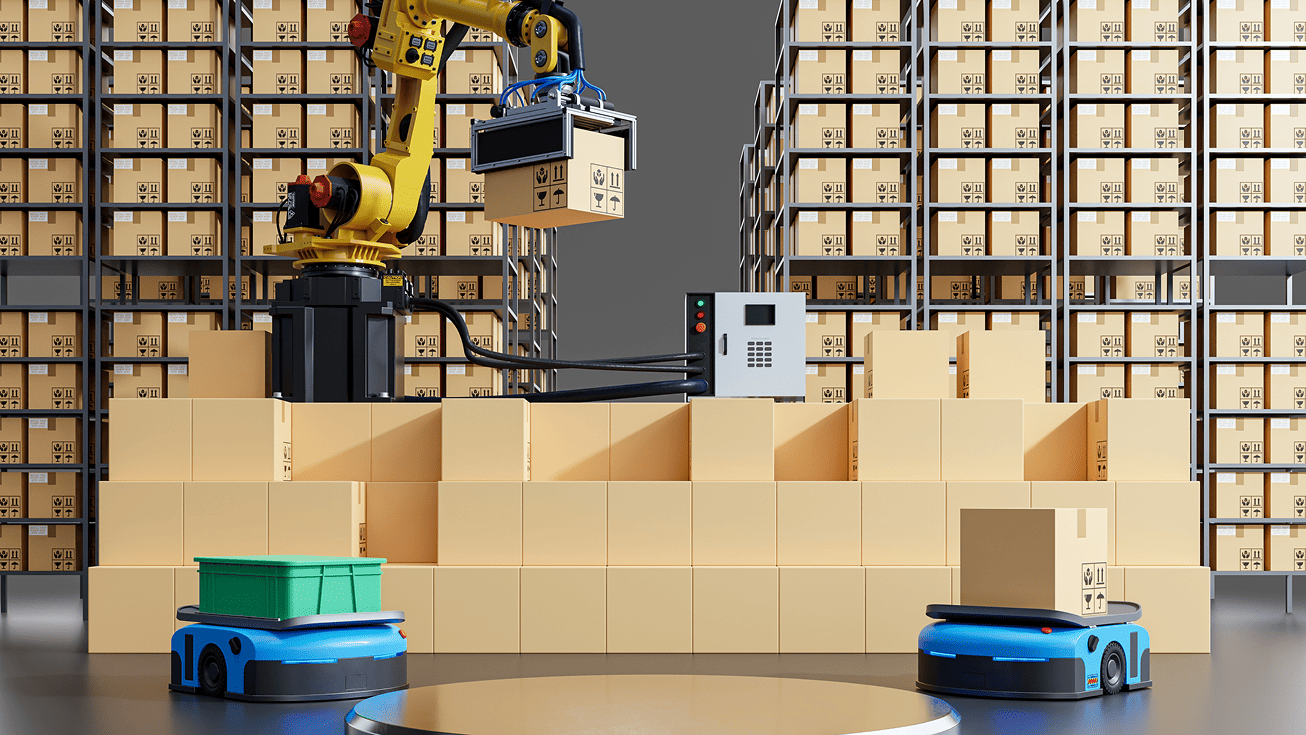
The warehouse business is a key contributor to the expanding need for robotics. As new technological developments are made, the
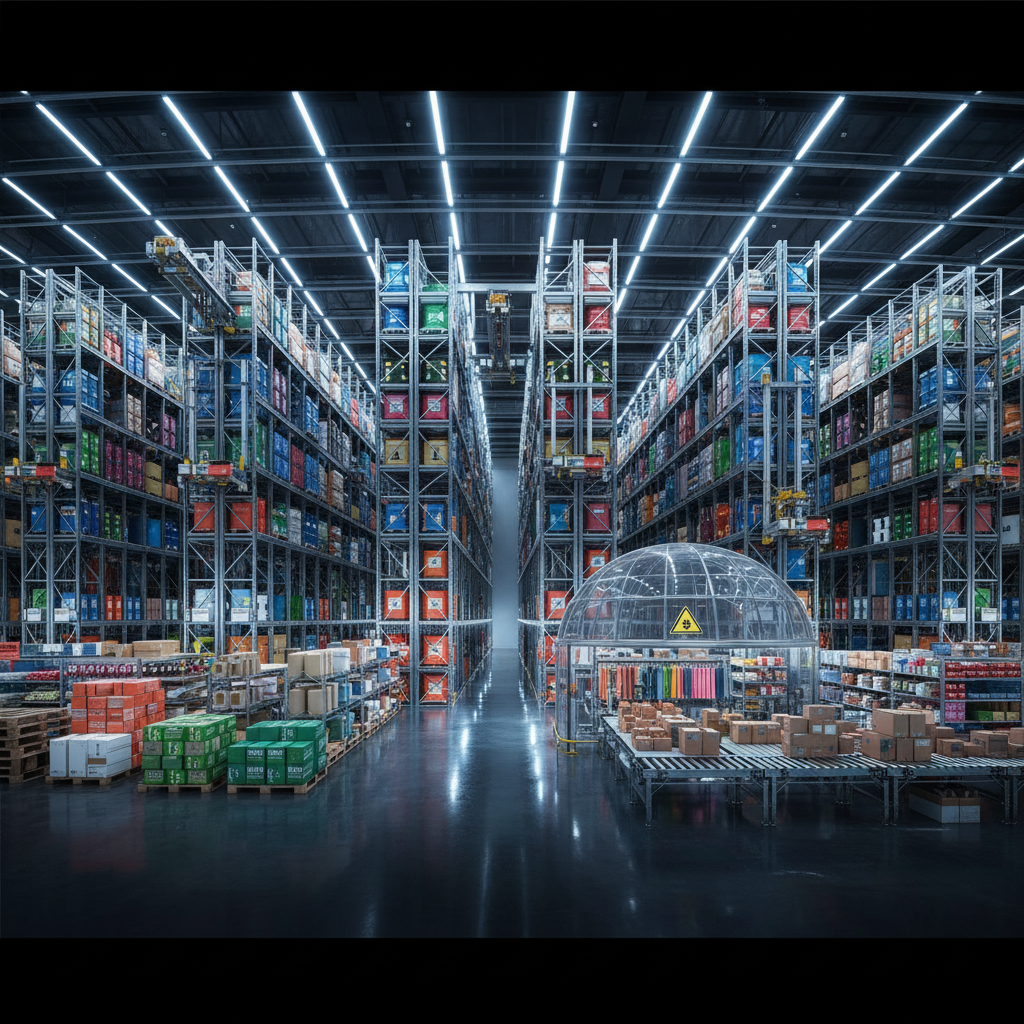
ASRS for Chemical Warehouses The chemical industry is marked by its rigorous standards and the stringent requirements imposed by regulatory...
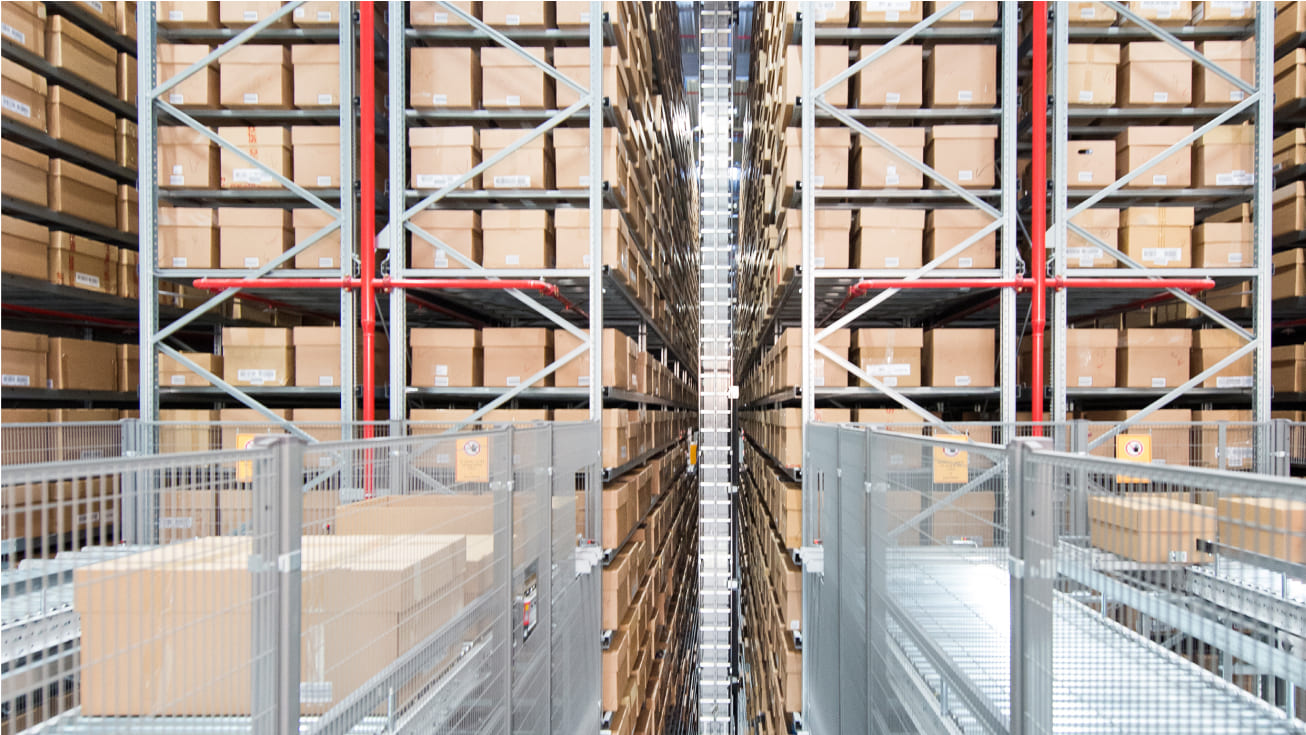
A good storage system is the foundation of a smoothly-run warehouse. With proper industrial storage racks, the warehouse stock remains...

To provide operational excellence, Armstrong Dematic leads the way towards innovative intralogistics and warehouse automation solutions. Our transformations are based on Industry 4.0 solutions.
Follow us on:


