WMS for Ecommerce Fulfillment
WMS for Ecommerce Fulfillment Warehouse Management Systems (WMS) have three basic components. Firstly, they tell the hardware where to move...


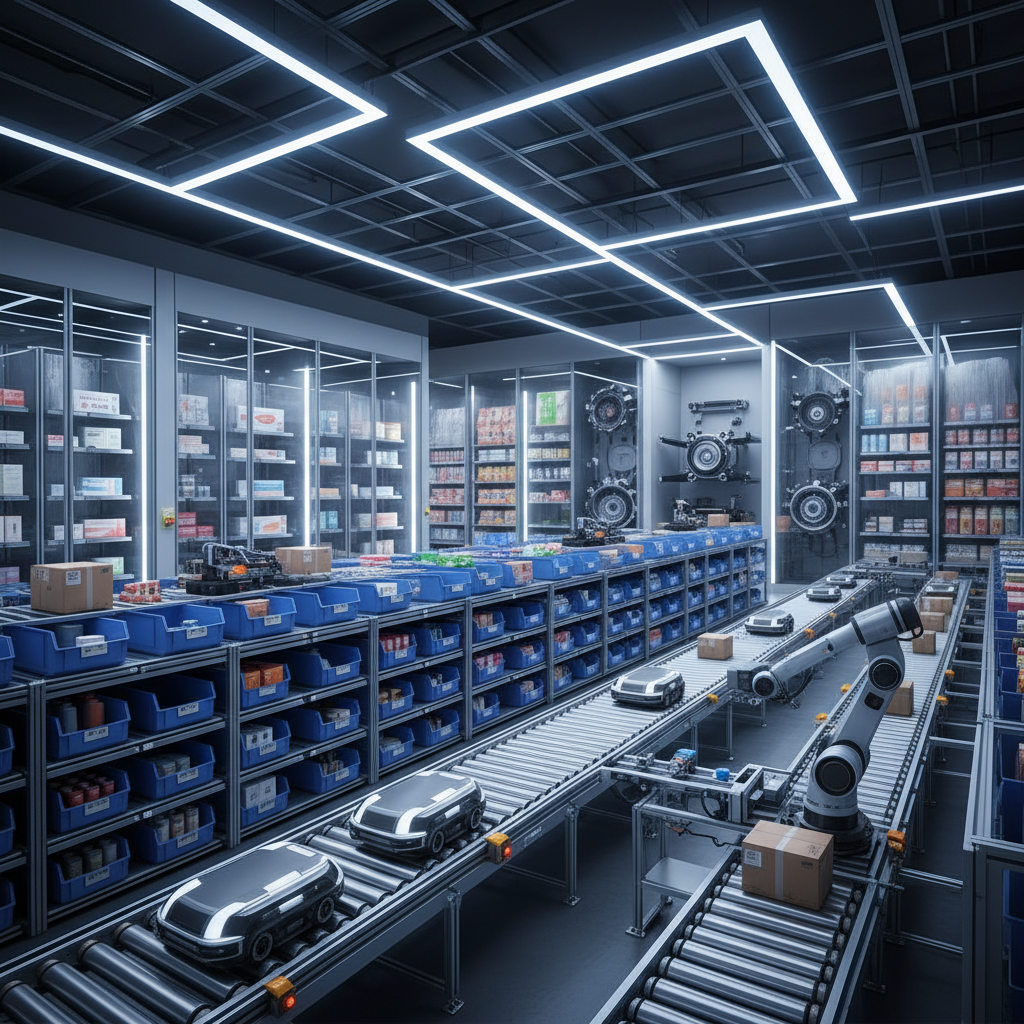
We often take little notice of just how much work, time, and energy goes into bringing that toothpaste, razor, or packet of chips to our neighborhood convenience store. However, all this would not be possible without a network of several professionally managed supply chain and logistics systems behind the scenes. What does the term ‘supply chain and logistics management’ really mean, you ask? Simply put, it refers to managing the movement of items from the warehouse to the retailer. This involves a detailed process flow that coordinates various activities, from storing the product to overseeing its final delivery to the end customer. It is an involving, intricate, and dynamic segment that no retail business can do without. Not just restricted to finished goods, it also includes transporting raw materials, equipment, and anything else involved in production.
The faster you process orders and get them into the hands of couriers, the faster they reach your customers. The sooner your customers receive their orders, the happier they are. That’s how an ASRS for ecommerce works. By reducing labor requirements, minimizing human errors, and slashing product retrieval times, it’s the perfect solution for handling the demands of next-day , even same-day , deliveries.
The system works fast too. An efficient warehouse ASRS lets your ecommerce store offer same-day and next-day delivery. Not only does it boost sales, but it also leads to more satisfied shoppers. If you work with perishables or fast-moving consumer goods, restocking delays directly translate to lost sales. Customers head to the competition because you can’t meet demand. ASRS ensures you don’t leave money on the table.
E-commerce in India grew by more than 30% in 2025. But is more business good news for you or just your competitors? It’s a double-edged sword , the bigger you grow, the harder it is to keep up with the competition. Especially when the competition includes the biggest companies in the world. AGVs for warehouse and ASRS for ecommerce, what was once exclusive to companies with the deepest pockets is now available to you. Thanks to Armstrong Dematic, one of the world’s leading AGV manufacturers, and Armstrong DematicLtd, who design cutting edge, best-in-class, but budget-friendly ASRS systems for small and mid-sized Indian companies.
What I find fascinating about this system is the storage and retrieval process itself. Every time I walk into a huge, automated warehouse I wonder: how do they get that one product I ordered from among millions of items that all look the same? The system works like a gigantic vending machine that delivers products instead of snacks. When an order comes in, the ASRS uses an array of racks, bins, and transport shuttles that zoom along a rack to precisely locate the product that matches the order. This inward-facing design keeps the system compact, following the high-density principle.
What’s your management style? Are you more a “lead by example” kind of person, or do you prefer to motivate your team with rewards for a job well done? Both approaches are essentially part of the same picture. The same is true when comparing WMS vs WCS for managing your warehouse. A warehouse control system, much like a warehouse management system, helps employees eliminate chaos and coordinate and complete daily tasks. However, warehouse control systems go a step further by ensuring that all automation equipment in your warehouse is monitored and optimized. They can be part of the same system, or operated separately.
This is doubly important when warehouse space is at a premium. Some large enterprises are even experimenting with dark warehousing to maximize space and reduce costs. Dark warehouses have very little to no lighting. Workers locate products with the help of RF or barcode technology and are guided by a warehouse management system, then they pick the items they need using only a flashlight affixed to their wrist.
Many ASRS frameworks are suitable for e-commerce. Shuttle-based systems use robotic carts that travel horizontally along rails to retrieve bins and totes. These systems are ideal for high-density storage and suit warehouses that handle small to medium products. Vertical lift modules (VLMs) utilize a vertical tower to store items, with an automatic elevator transferring trays to the access point. VLMs are suitable for businesses with tight spaces and limited floor area. Cube-based systems use a grid structure with robots that travel on the top and reach down to grab bins. This design provides exceptional flexibility and scalability. Armstrong DematicLtd assesses a client’s product mix, order volume, and facility layout to determine the most suitable framework.
Customized ASRS: To ask or not to ask, that’s not the question. It’s what makes the most sense: the most pragmatic path for you, the safest bet for vendors, or the possibilities for future change and advancement in your business , or all of the above. Specialized industries come with specialized needs. Pharma, FMCG, automotive, and cold storage have these needs ironed out to the extent that almost every system deployed in their storage facilities looks nothing like those in generic warehouses. What makes each kind of ASRS unique to a particular sector is worth understanding in detail.
Scaling Your E-Commerce Business Safely with Scalable Modular ASRS
Growing your business is exciting. But added demands on your warehouse can lead to congestion, reduced efficiency, and reduced accuracy. Sounds familiar, right? If you’re turning down contracts because you can’t fulfill them, or your seasonal upticks are crippling your daily operations, these are clear signs you’re outgrowing your warehouse and production capabilities. But solving this problem is not always easy. For many business owners, the idea of increasing their warehouse capability is less about exciting business growth and more about loss of sleep. A step-change investment in a new warehouse or production facility is a big decision, and a big risk. If you get it wrong, you’ve blown your cash on what is likely your largest single asset purchase, and you could still be in exactly the same predicament. So what do you do? Why not take a leaf out of the manufacturer’s handbook and automate your warehouse? Automation offers significantly higher storage densities and throughput speeds than manual warehouses, all with a dramatically reduced error rate, especially useful if you’re selling items online. Next steps? Get in touch to see how Armstrong Dematic can provide you with a customized storage and retrieval system for ecommerce that will grow with your business, eliminating congestion, waste, and errors, and reducing order lead times.

WMS for Ecommerce Fulfillment Warehouse Management Systems (WMS) have three basic components. Firstly, they tell the hardware where to move...

Warehouse Automation RFP Guide Deciding to automate your warehouse is a significant first step toward industry-leading efficiency. But who should...
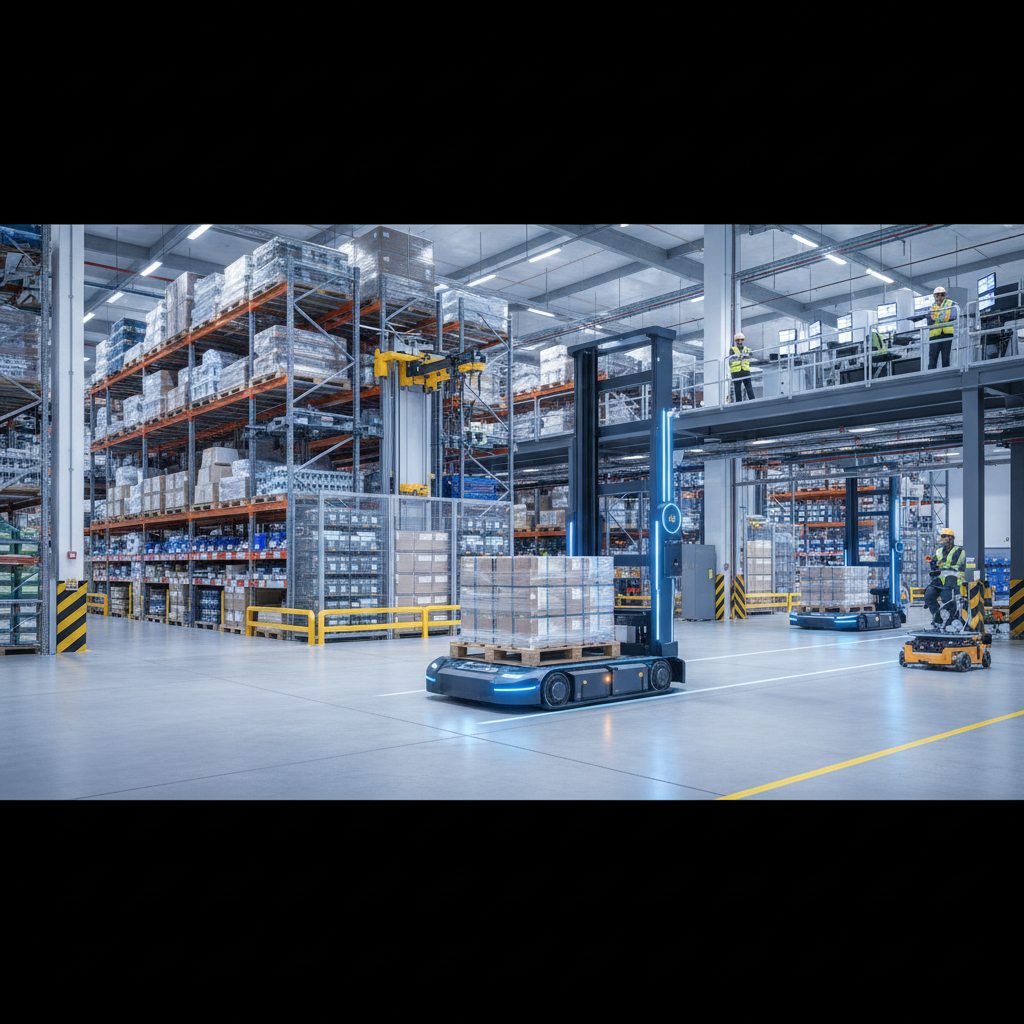
AGV Price in India: What to Expect Warehouses in India are racing to automate, and at the heart of this...

To provide operational excellence, Armstrong Dematic leads the way towards innovative intralogistics and warehouse automation solutions. Our transformations are based on Industry 4.0 solutions.
Follow us on:


