Automated Depalletizing Systems for Warehouses
Automated Depalletizing Systems for Warehouses Depalletizing systems are really important for warehouses and distribution centers because they need to handle...


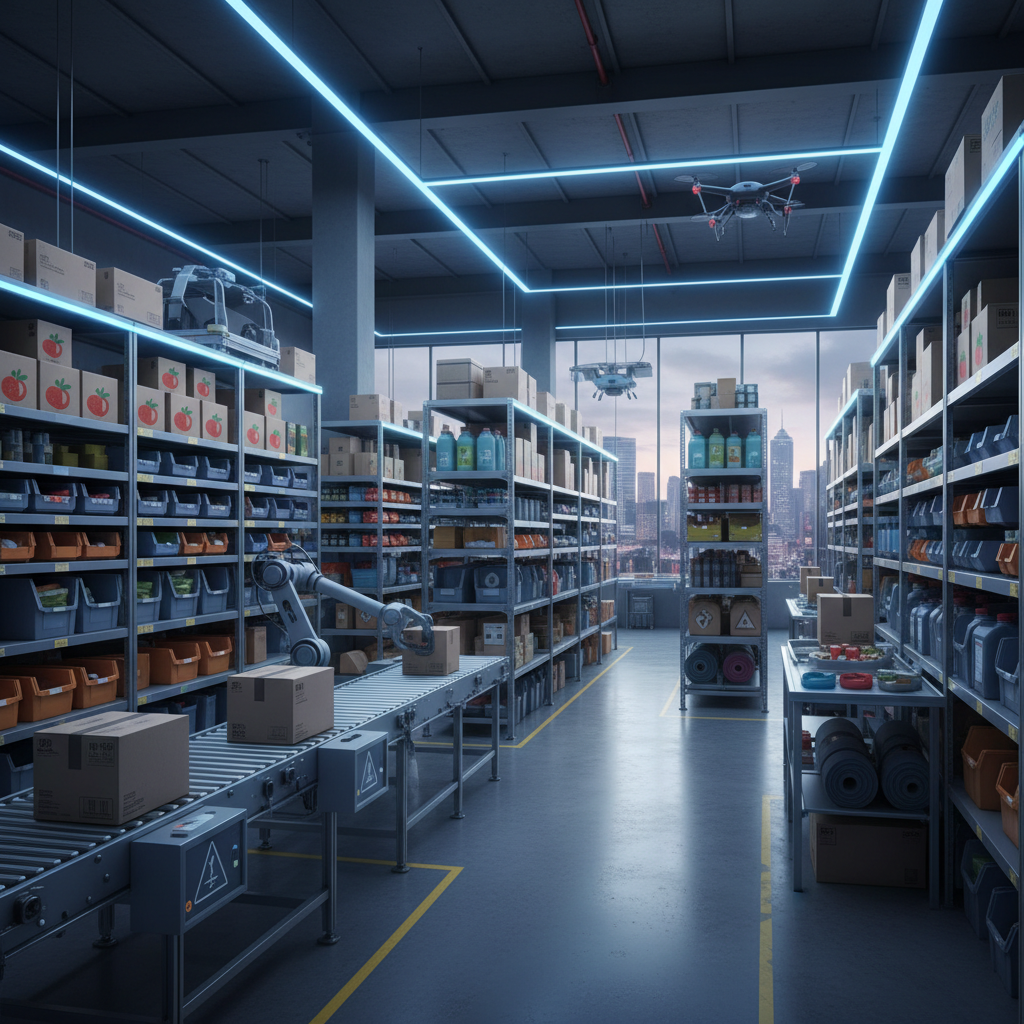
Retail distribution hyper-charged by ASRS+lsiThe global retail industry is being revolutionized by Advanced Automated Storage and Retrieval Systems. The technology does exactly what the name suggests, handling the receipt, storage, and shipment of goods, more efficiently and accurately than ever thought possible. For modern retail commerce to thrive, products must get from supplier to shelf faster than ever, ASRS technology helps achieve this. ASRS systems maximize the storage of retail goods in a minimal space, saving retailers money on new construction or existing space leasing. ASRS also minimizes human error, reducing store out-of-stocks, up to 50% according to the IHL Group. Most importantly for retailers, the latest ASRS systems are fully scalable. Retailers pay only for what they need to service current demands, with the flexibility to add on when needed. Most importantly, modern ASRS can handle everything from totes to pallets to full-size merchandise. While immense revenue drives retailing, the real enabler of ASRS growth will be space , or the lack thereof as urbanization continues in a land-starved world. How to provide retail space in our portable device , evolving world? Be sure to talk ASRS.
Retail distribution centers play a vital role in today’s fast-paced world. Get the right product to the right place at the right time , it’s a simple concept but increasingly difficult. Near the end of the 20th century, focus shifted to new channels: e-commerce, mobile commerce, and commerce via social media necessitate even faster response times to deliver smaller orders to a larger customer base with more demanding service-level requirements. Multi-channel distribution is now the norm, with customer expectations growing for shorter delivery times or in-store pickups. Order fulfillment operations have transformed, thanks in part to automation systems.
This type of warehouse automation can also reduce labor costs by up to 65%, because fewer people are needed to run the facility and manage inventory. It’s a double win for warehouse managers with high turnover, because labor shortages (especially during holiday peaks) are unlikely to affect robotic systems. They don’t mind working long hours, and they won’t ask for a raise. Furthermore, a more accurate warehouse naturally needs fewer returns clerks and customer service agents to handle complaints stemming from incorrect or late orders.
These automated systems don’t come cheap, but the benefits for high-velocity operations with varying load sizes spread over multiple SKUs are well documented , increased storage density, reduced labor, and improved inventory accuracy among them. With the right product mix and demand profile that justifies the investment, ASRS have proven a game-changer for order fulfillment.
The history of humanity’s struggle towards progress is long and full of obstacles. Those were hardships we had to overcome slowly and painfully. however, once we learned how to use fire to cook our meals, we started down a different evolutionary path. Fast forward a few thousand years, and we have self-driving cars, space travel, and ASRS systems. The automated storage and retrieval evolved in order to help us manage all the things we’ve invented and keep them safe until we need them.
Why are ASRS systems so powerful though? It’s not hard to see when you consider an automated storage and retrieval system is essentially a robot , a robot working in three dimensions and capable of moving many items in a highly choreographed dance, often using the same amount of energy it would take a human worker to walk across the warehouse. Nifty, right? It’s also amazingly precise, which makes it perfect for managing the tens of thousands of small, slow-moving SKUs that proliferate in today’s retail world.
Are you looking for a storage system that’s up to the task of carefully storing even the smallest parts and the most oversized products? An automated storage and retrieval system (ASRS) easily handles both while ensuring that sensitive electronic components remain safe from the threat of electrostatic discharge. Other benefits include improved inventory management and order fulfillment accuracy. ASRS for the electronics industry supports these advantages and more.
The point is, where should a given item be stored for maximal efficiency? It changes over time based on order history and our predictions, and the insights we obtain by analyzing that history. The system monitors the orders that come in minute by minute and makes continuous adjustments as needed. This all happens in the background.
ASRS are essential for manufacturers in the chemical industry looking to automate their facilities and improve OEE. However, installing one , particularly when dealing with hazardous materials , needs careful planning and an experienced partner who understands the right design principles. This begins with segregation. Not just of flammable or combustible products but all hazardous substances. ASRS also can’t be standalone. It requires integration with and control of warehouse environmental conditions. Chemical storage automation needs to closely control temperature and humidity for protection against leakage as well as worker health and safety. Another key feature is that every action linked to the hazardous substance needs to be automatically stored, especially when dealing with pharmaceuticals or other high-value products. These information systems provide the detailed audit trails required by OSHA for worker protection and EPA for material identification and control.
Future-Proofing Retail Supply Chains with Modular Automation
Warehouse automation for textiles and apparel meets this challenge by consolidating inventory and reducing overall storage requirements, freeing up valuable real estate for more profitable activities. One of the greatest benefits of ASRS is also one of the most intangible: peace of mind. ASRS eliminates concerns about errors, accidents, or other issues caused by human intervention. The system always knows what it has in stock, where it is, and what has been moved in or out. Given today’s zero-tolerance attitude toward errors in the fast-moving logistics industry, the peace of mind that comes with an ASRS is worth every penny.
So, automation is great , when it works. Not fully understanding how an AI solution is making decisions may lead to catastrophic mistakes, which can be especially true with 100% autonomous systems that have no manual oversight. Automated warehouses rely on all systems to function within a certain tolerance. So, what happens when an automated storage and retrieval system (ASRS) underpins a warehouse’s operations, for example, and one of the gantries breaks, or software errors accumulate over time without alerting operators? This could bring the business to a grinding halt. A regular surge in returns is the last thing needed when one faulty piece of an automated operation can take weeks or months to set right.

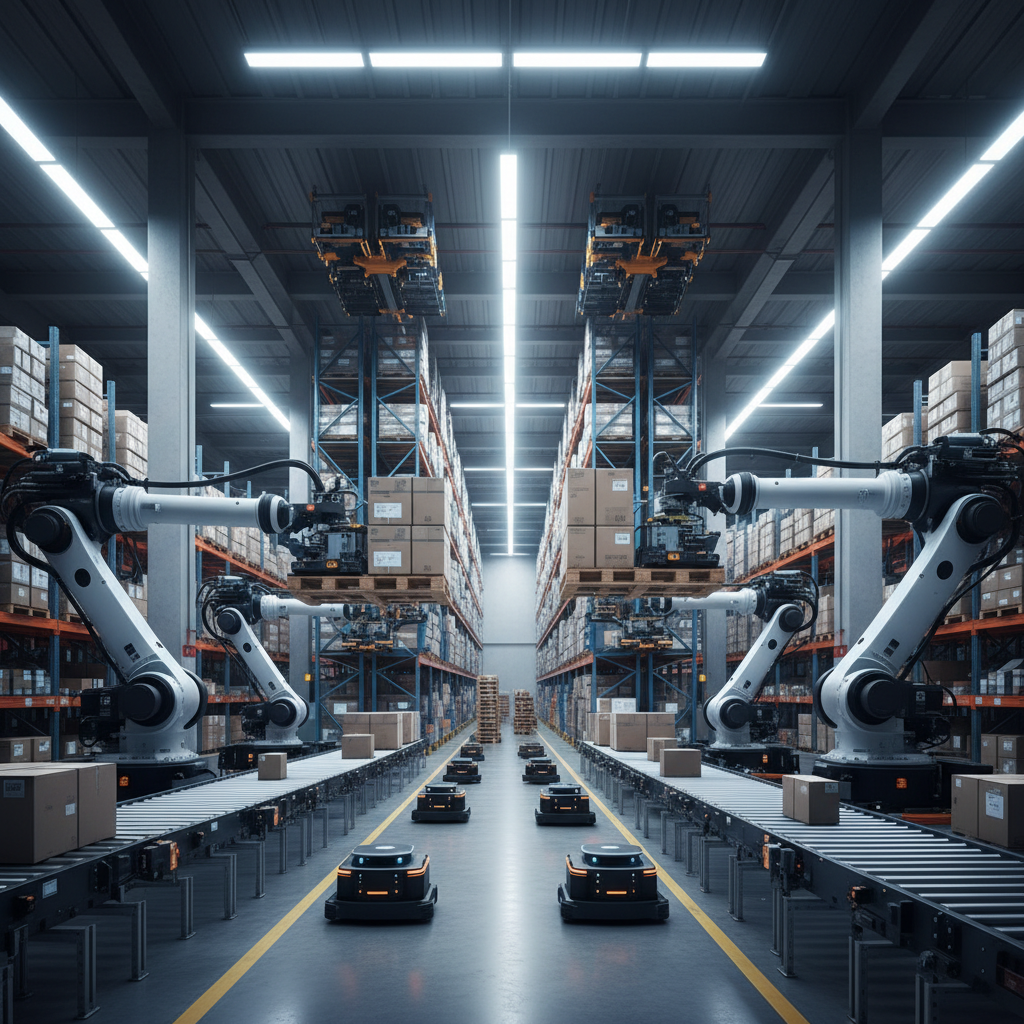
Automated Depalletizing Systems for Warehouses Depalletizing systems are really important for warehouses and distribution centers because they need to handle...
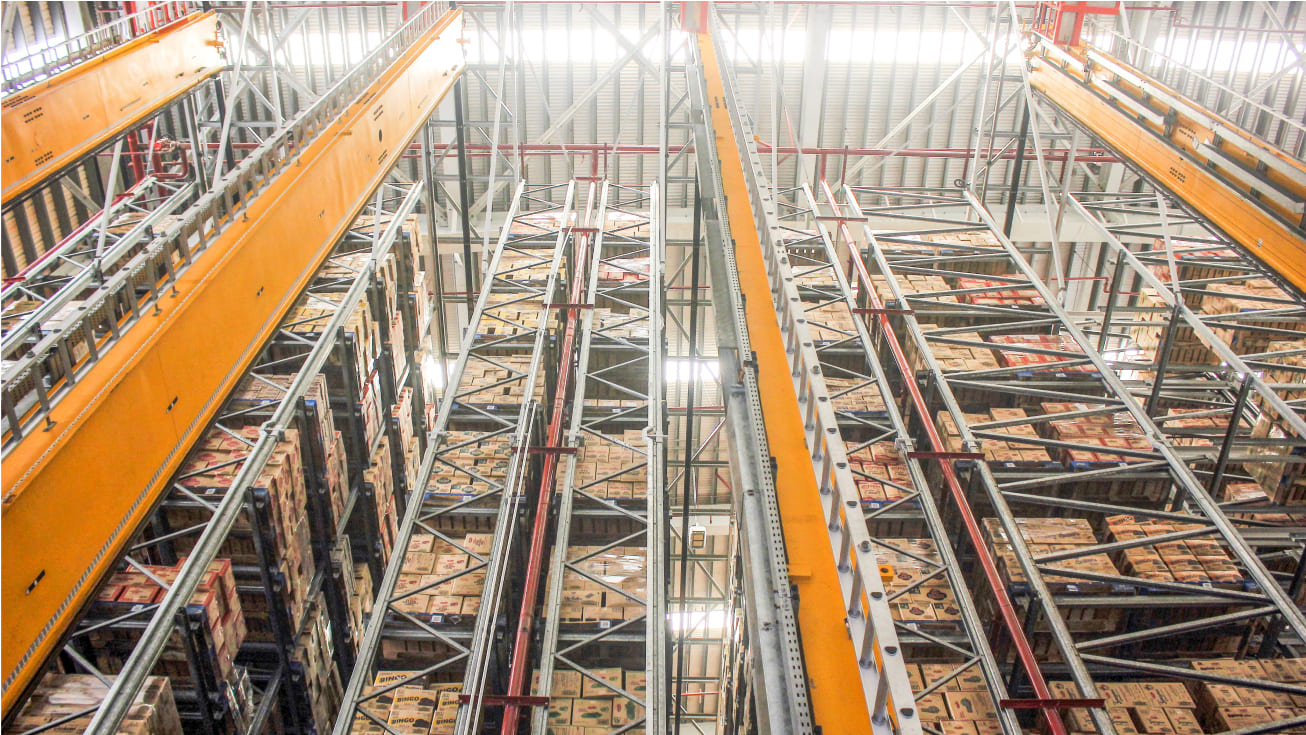
Storage is a fundamental requirement of every distribution centre as it adds value by providing a critical buffer between your...
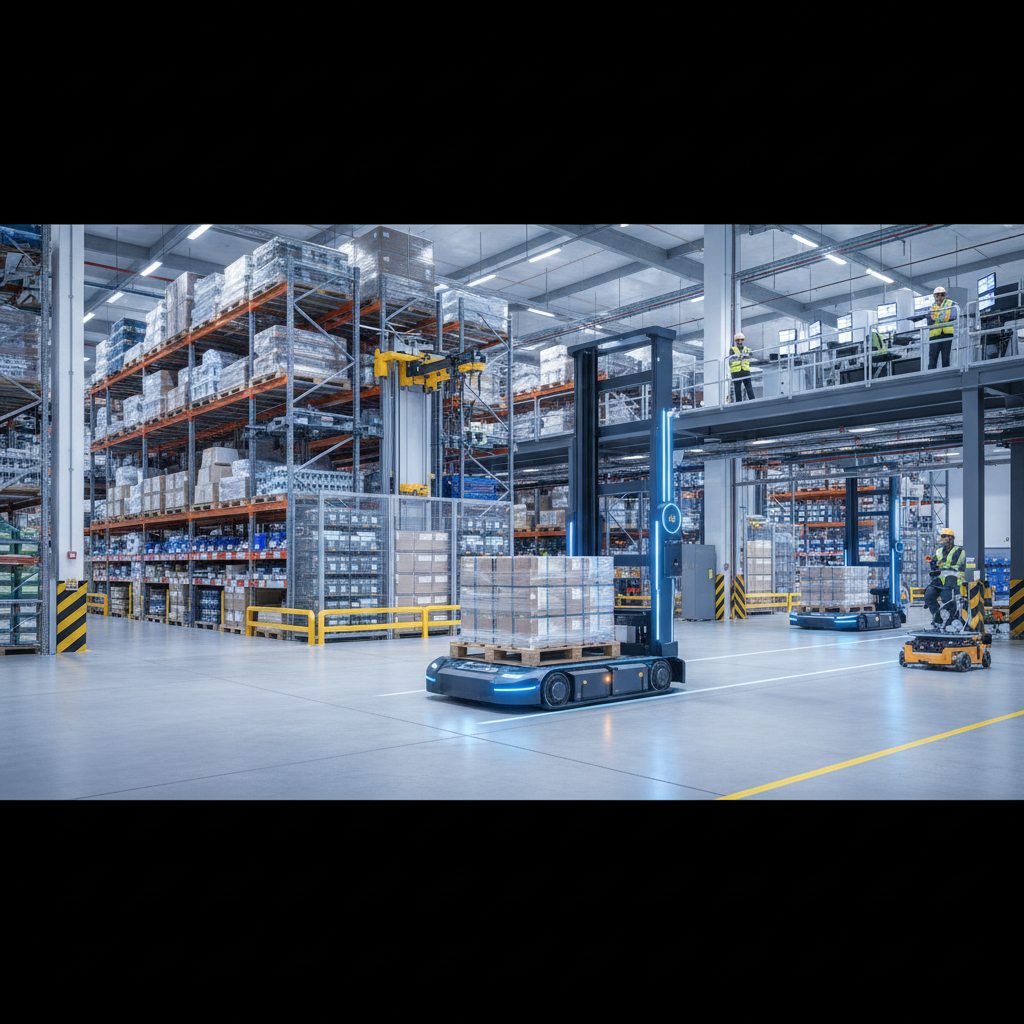
AGV Price in India: What to Expect Warehouses in India are racing to automate, and at the heart of this...

To provide operational excellence, Armstrong Dematic leads the way towards innovative intralogistics and warehouse automation solutions. Our transformations are based on Industry 4.0 solutions.
Follow us on:


