Warehouse Management System (WMS): Complete Guide
Warehouse Management System (WMS): Complete Guide A warehouse management system is really important for logistics. As the amount of inventory...


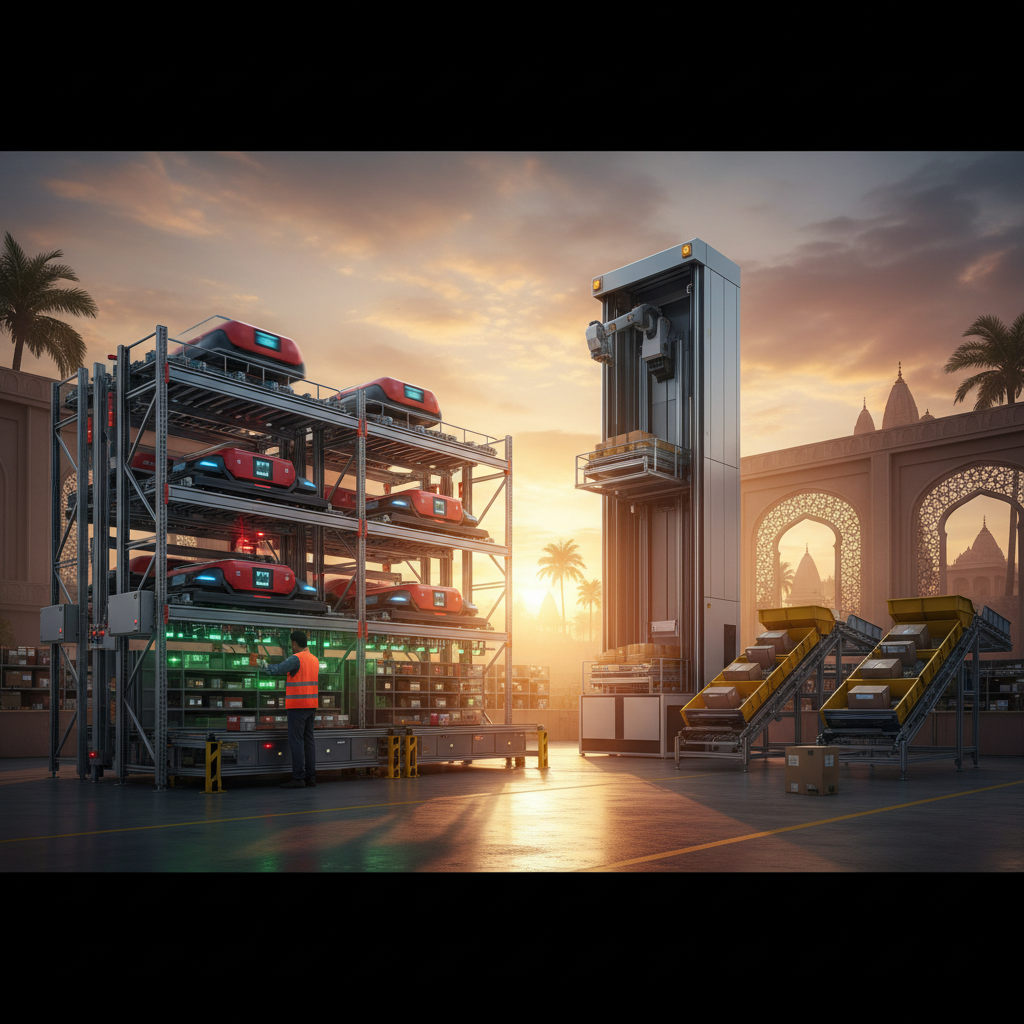
Warehouse automation has to be one of the top-five boardroom discussions at almost every Indian logistics and manufacturing firm in 2026. Land cost and availability plus labor are big contributors to the squeeze. And what is fueling the growth of warehouse automation? The same thing that is impacting the warehouse footprint , the absolute explosion of B2C and B2B e-commerce volumes. Companies are under immense pressure to provide high-density storage solutions and to look at various forms of automated sortation systems in light of these mega-trends. The ultimate question that sits at the boardroom table is how much will these systems cost? Understanding pallet shuttle cost, vertical lift module cost, pick to light cost, put to light cost, sortation system cost, loop sorter cost, and narrow belt sorter cost is not a nice to know but essential when planning for capital expenditure.
Pallet shuttle systems deliver impressive storage density by using semi-automated shuttles that move pallets deep into racking lanes. In India, a basic pallet shuttle system for a 5,000-pallet warehouse typically starts around ₹1.2 crore and can exceed ₹3 crore for multi-level, high-throughput configurations. The VLM cost India market shows similar variance. A single vertical lift module (VLM) unit handling small parts and tools ranges from ₹25 lakh to ₹80 lakh, depending on height, payload capacity, and software integration. Larger installations with multiple VLMs and warehouse management system (WMS) connectivity push total project costs well above ₹2 crore.
How do the systems work? A cluster or matrix of LED displays is mounted on racks or shelves. Each display corresponds to an SKU and lights up to show the quantity to be “picked” or “put” in that slot. You can literally install these systems overnight and achieve productivity gains of 400, 500 percent even with basic integration with the WMS or WCS, says an SF Engineering (Storage Design Group) white paper. What the distributor saves in labor, it recovers in real estate. And sure, you might have issues with the lights, but those are simple and inexpensive to replace, and the signboards can be easily switched, the white paper adds.
It is direct to assume that sortation system cost correlates with capacity, throughputs, and sorter speed; but let’s take a closer look at the economics. Due to economies of scale, smaller, slower systems will be less expensive on a cost-per-unit-throughput basis because sortation capacity and speed are inextricably linked (e.g., it’s not possible to run a high-speed loop sorter at only 50% capacity for an extended period). However, capital cost alone can be misleading since most high-speed sorters have proportionately higher ongoing maintenance costs, energy consumption, and wear components including belts, drives, and mechanical/electrical controls. A more useful metric for cost comparison is the cost per unit, which can/deviation be calculated as shown in the table below.
Beyond the headline equipment price, buyers must account for civil works, electrical infrastructure, and software licenses. Foundation work for heavy racking and sorter frames can add 10% to 15% to the base pallet shuttle price. Electrical upgrades, including three-phase power distribution and backup generators, often contribute another ₹15 lakh to ₹40 lakh. WMS and warehouse control system (WCS) software licenses range from ₹10 lakh for basic packages to ₹50 lakh for enterprise-grade platforms with real-time analytics and predictive maintenance modules.
It’s too simplistic to calculate return on investment based purely on equipment cost. An Indian rack and pinion elevator will likely have a lower initial price than an imported conveyor-based solution. Still, can it retrieve totes in precise FIFO order or feed your goods-to-person workstations for robotic put/pick operations? Will it communicate with the warehouse control system and interface seamlessly with your warehouse’s ergonomic and throughput requirements? Integration challenges could quickly erase any procurement savings. Conversely, a proven vendor that ticks all these boxes might more than offset the additional tariff expense by delivering optimal OEE.
One animal behavior that I’ve always found particularly fascinating is the homing instinct in pigeons. It’s just incredible how these birds can find their way back home even when they’re released hundreds of miles away in unfamiliar locations. Scientists have offered many explanations over the years, but I’m not sure anyone really knows conclusively how they do it. What’s even more amazing though is that they’re not the only animals with a refined sense of direction. Turtles, bees, and even some species of ants are known to travel across vast distances with unerring precision. How do they manage to pull that off?
Smart buyers look beyond CapEx to evaluate total cost of ownership over five to seven years. Annual maintenance contracts (AMCs) for pallet shuttle systems run ₹8 lakh to ₹18 lakh, covering preventive maintenance, software updates, and emergency support. VLM AMCs cost ₹3 lakh to ₹7 lakh per unit annually, while pick-to-light and put-to-light systems require minimal service, often under ₹2 lakh per year. Sortation systems carry the highest OpEx burden, with AMCs ranging from ₹25 lakh to ₹60 lakh depending on sorter complexity and runtime hours.
Sortation systems have the highest energy intensity per workload. On average, loop sorters exceed 0.5 kWh per processed shipment, narrow belt sortation costs can rise to 0.2 kWh per item and 0.15 kWh per linear foot of transfer and divert. High-speed loop sorters are extremely fast, enabling item sortation at rates exceeding 10,000 items per minute, with subsystems supporting over 1 meter per second induct speeds and 3.5 meters per second cross-belt speeds. This performance level ensures they use proportionally higher energy than other sortation systems and material handling equipment types.
High-Amp Fast-Charging Grid Connection Drop Surcharges
AGVs and AMRs will continue to improve upon today’s energy density, delivering longer operation times with shorter charges. But as volumes trend larger and velocities faster, weight is inherently increasing to handle the larger demands. Slab stresses multiply, requiring rapidly expanding and contracting energy transmission. The minor advancements to the classic lead-acid and newer gel-cell constructions have reached their limit, and a fundamentally new approach is required. We are already building and testing a prototype of this breakthrough technology, which we anticipate will drive new materials and approaches to energy storage design and battery fabrication.
Spare-parts inventory and obsolescence risk round out the TCO picture. Critical components like shuttle motors, VLM trays, and sorter divert shoes should be stocked on-site to minimize downtime. Budget ₹3 lakh to ₹8 lakh for initial spares inventory, with annual replenishment costs of ₹1 lakh to ₹3 lakh. Technology refresh cycles matter too. Most automation vendors support equipment for 10 to 15 years, but software platforms and control systems may require upgrades every five to seven years, adding ₹10 lakh to ₹30 lakh to the lifecycle budget. Companies that plan for these costs upfront avoid unpleasant surprises and maintain competitive throughput as order volumes grow.

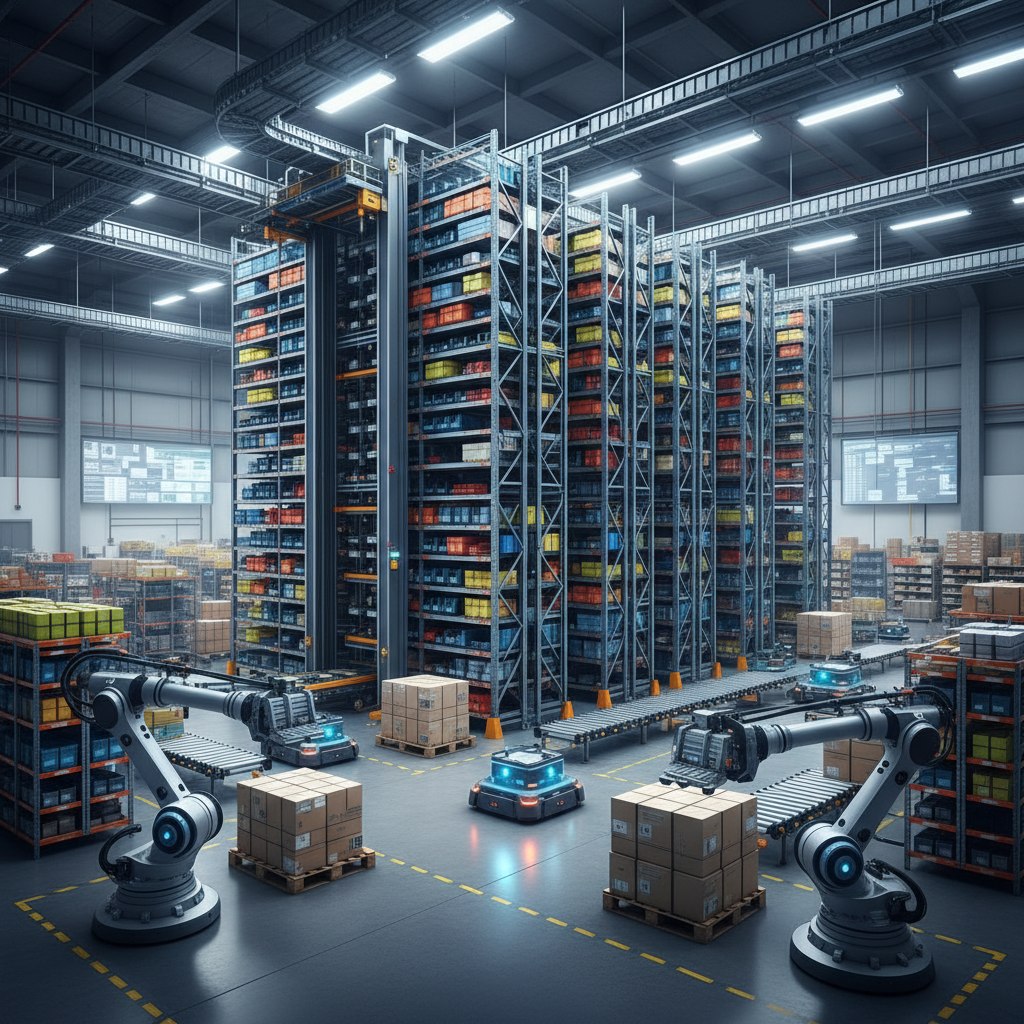
Warehouse Management System (WMS): Complete Guide A warehouse management system is really important for logistics. As the amount of inventory...
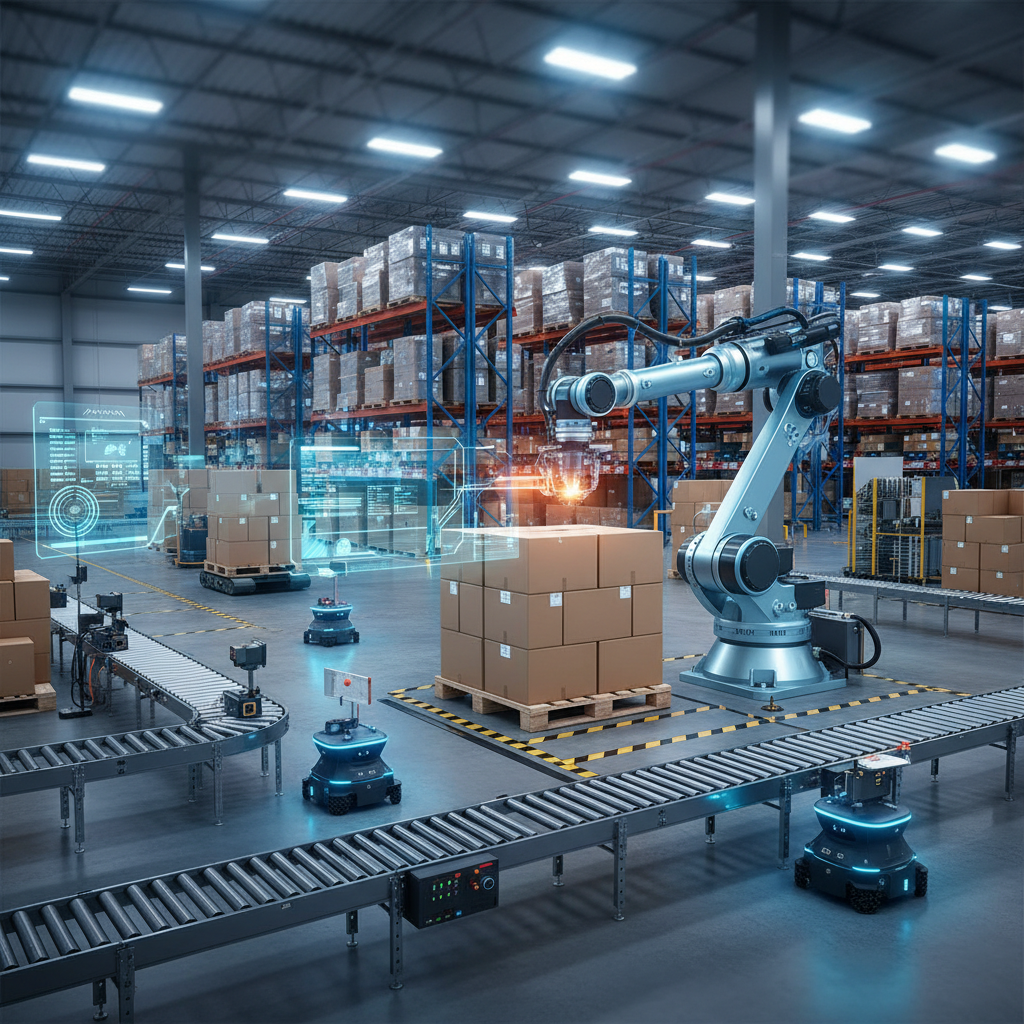
Robotic Palletizer Systems for End-of-Line Automation A robotic palletizer is becoming a part of warehouses and production operations these days....
WMS for Ecommerce Fulfillment Warehouse Management Systems (WMS) have three basic components. Firstly, they tell the hardware where to move...

To provide operational excellence, Armstrong Dematic leads the way towards innovative intralogistics and warehouse automation solutions. Our transformations are based on Industry 4.0 solutions.
Follow us on:


