Warehouse Automation Cost in India Explained
Warehouse Automation Cost in India Explained The costs behind warehouse automation are more than just robots. Handles projections accounted for...


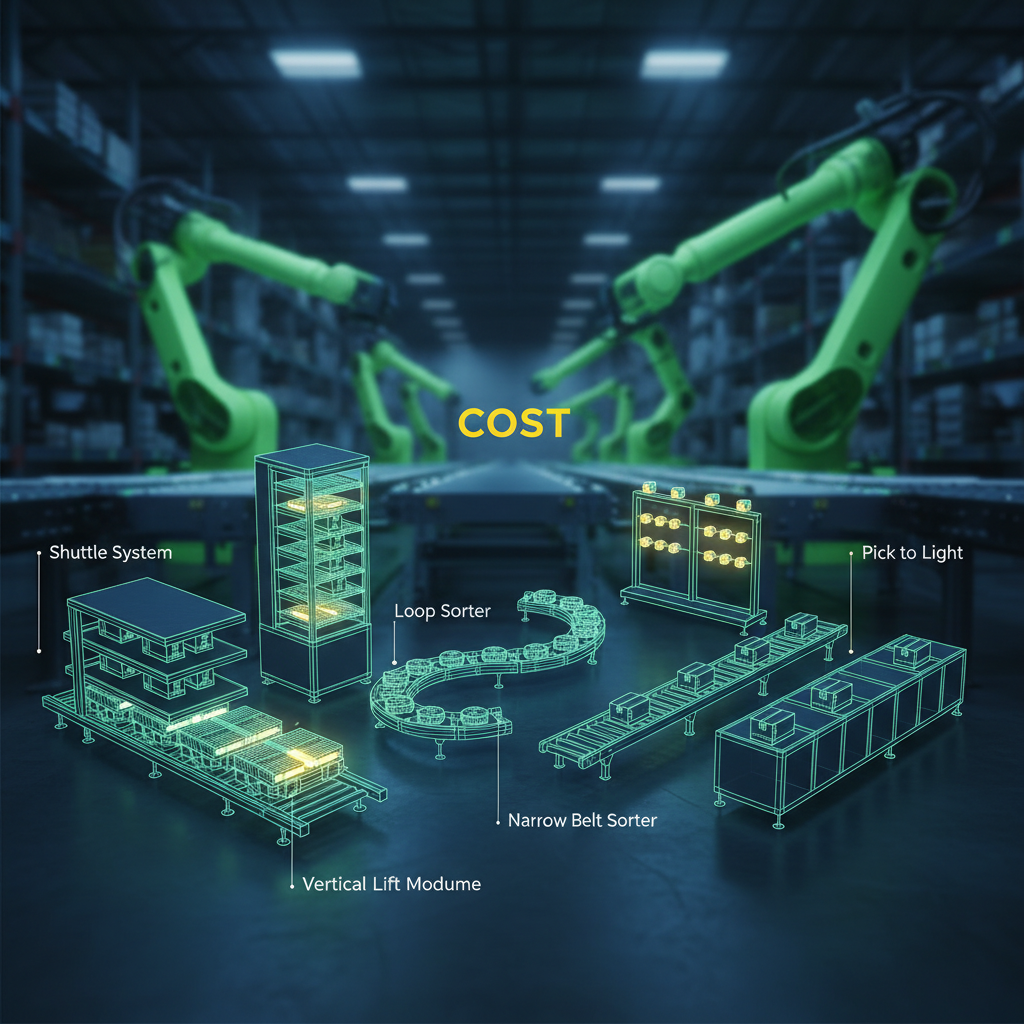
Warehouse automation used to be a luxury. Now it’s table stakes for any business trying to shrink lead times and operate within the thin margins that modern e-commerce demands. Run your facility manually, and you’re at a competitive disadvantage. But type “warehouse automation costs” into Google, and you’d be forgiven for asking if robots are delivering each case to the dock door for thousands of dollars. The prices can certainly make your eyes water. Shuttles, which automatically retrieve pallets from deep inside racking and bring them up to the aisles, can run for hundreds of thousands of dollars each. A single-vendor, one-level system , a good first automation step for operations with lift trucks that can stack pallets 30 feet in the air , could cost you well over $1 million. Use automated storage and retrieval systems (AS/RS) with auto-guided vehicles, and you will pay several million dollars for sure. NASSTRAC data shows the average warehouse operations budget jumps from about $50,000 per million dollars handled with 50 employees to $550,000 when those numbers grow to $100 million and 300 workers. Automated systems and controls are a big part of the increase.
Sortation system costs can range from roughly 3 percent to 30 percent of a new warehouse budget, depending on the vendor, solution size, the mix of standard off-the-shelf versus custom-engineered equipment, and how the software or controls integrate with other systems downstream. An appetite for feature-rich, budget-busting control systems is also a cost factor. Adobe-like pay-by-the-sip options allow users to acquire incrementally more sophisticated software tools as needed to improve throughput or uptime. What’s more, the same system might appear as the most and least expensive option on two different RFPs depending on whether vendors have strong relationships, or something to prove, as they strive to break into a new market.
The total cost of ownership for automated distribution systems is a timely topic in our industry because companies too often fixate on purchase price, while long-term service and support expenses far outweigh capital costs. Sorters illustrate this in spades. Mechanical components are commodities; price differentials are minimal. For the first five years, all of them will likely run similarly well, provided you perform the required preventative maintenance. The big variations come after years seven, eight, or nine when the less expensive supplier requires you to replace a $500,000 subsystem that your incumbent vendor services/rebuilds for $125,000 and extends the life of the remaining sortation system. Note: I’m not throwing shade on the lower-cost supplier. They haven’t built obsolescence into their product; they just don’t have any other business with this component. They sold you a fantastic design and solid, reliable equipment. But that’s all they have to offer. They’ll have to watch from the sidelines as you sort and load a salvage bin with what used to be a critical part of your distribution center.
The total electrical draw is also higher than a comparable AS/RS, since each shuttle must operate its own motor drive. However, overall system power consumption is relatively low, since only the shuttle and lift mechanism utilize electricity. All other components, including the LED lighting system used for positioning, are passive. One important operating cost consideration with shuttles is battery replacement, typically every four to five years in a high-throughput environment. Battery replacement is a background maintenance activity, since swapping a battery takes less than 15 minutes, but the batteries aren’t inexpensive. Buyers should also ask about the availability of replacement batteries for any system they’re considering, since this can be an issue for less commonly used types.
How much does a vertical lift module cost? A 20-foot-tall unit with 60 trays and a 200-pound capacity per tray usually runs $90,000 to $140,000. Doubling the height to 40 feet and trays to 120 adds another $90,000, give or take. Integrated pick-to-light or other ancillaries will goose the price even more. Energy consumption data can be as important as the price itself. A VLM consumes 3 to 5 kilowatts during peak cycles. At the national average of 10 cents per kilowatt-hour, that’s 72 to 120 bucks a week or about $30,000 over a VLM’s 10-year life expectancy.
Cost varies from $50 to $200 for each pick location and of course, the fancier the display and the more powerful the communication protocol you decide on, the higher the price. For example, a 100-zone pick-to-light array featuring alphanumeric displays and an Ethernet connection may run you anywhere from $8,000 to $15,000 for the hardware. But wait! There’s more, add in a wireless module and a confirmation button, and maybe some color-changing LEDs and Ethernet IP connectivity for your warehouse control system, and you’ll quickly notice prices beginning to climb.
Overall, put-to-light has a similar price spread but tends to have fewer zones because of those zone overlaps with more workers. This is probably a wash because a putwall has a more consolidated footprint and reduces total needed travel distance. With conveyor systems, a single carrier might serve two, three or five zones, each with an extendable belt conveyor. That’s why a 10-zone conveyor system will typically cost $10,000 to $20,000 but the 40-plus zone units we just installed ranged $7,000 to $9,000 per zone.
Hire a consultant or a systems integrator. Unless you do a dozen projects a year, how can you possibly know what the latest technology can offer? That lack of experience will cost you in tangible expenses and lost opportunities. A professional consultant will tap his or her network of integrators to get your project the best fit. He or she will also write the RFP, help evaluate the bids, review the design, check the installation, program the changes you want, run tests, and supervise go-live. You could choose the cheapest bid and contract all these services separately, but another pair of eyes looking out for your interest is probably worth the price.
Have you noticed that replacing your car’s timing belt costs less than having your car break down when that belt fails? The same principle applies to automated sortation and conveyor systems, proactive maintenance will cost between 8 and 12 percent of the capital cost. Reactive maintenance could potentially cost five to ten times more, and you run the risk of unscheduled downtime disrupting your operations.
High-Speed Divert Solenoid Valve Replacement Cadence Budgets
If your sorter is more than five years old, it’s probably time to upgrade the controllers because parts are expensive and becoming rare. Don’t let them suddenly fail when a compatible heat sink or other component is no longer in stock, meaning you’re down for hours or days awaiting an emergency tech visit and paying top dollar for obsolete components plus the freight. Newer controllers from the OEMs or third-party suppliers can enhance diagnostics and deliver faster speeds with a software tweak. But be prepared to replace the output boards. New boards cost about the same as a valve; repair costs rival the price of a new board.

Warehouse Automation Cost in India Explained The costs behind warehouse automation are more than just robots. Handles projections accounted for...

In today’s fast-paced supply chain environment, speed, accuracy, and scalability are no longer advantages—they’re essential. With rising order volumes and
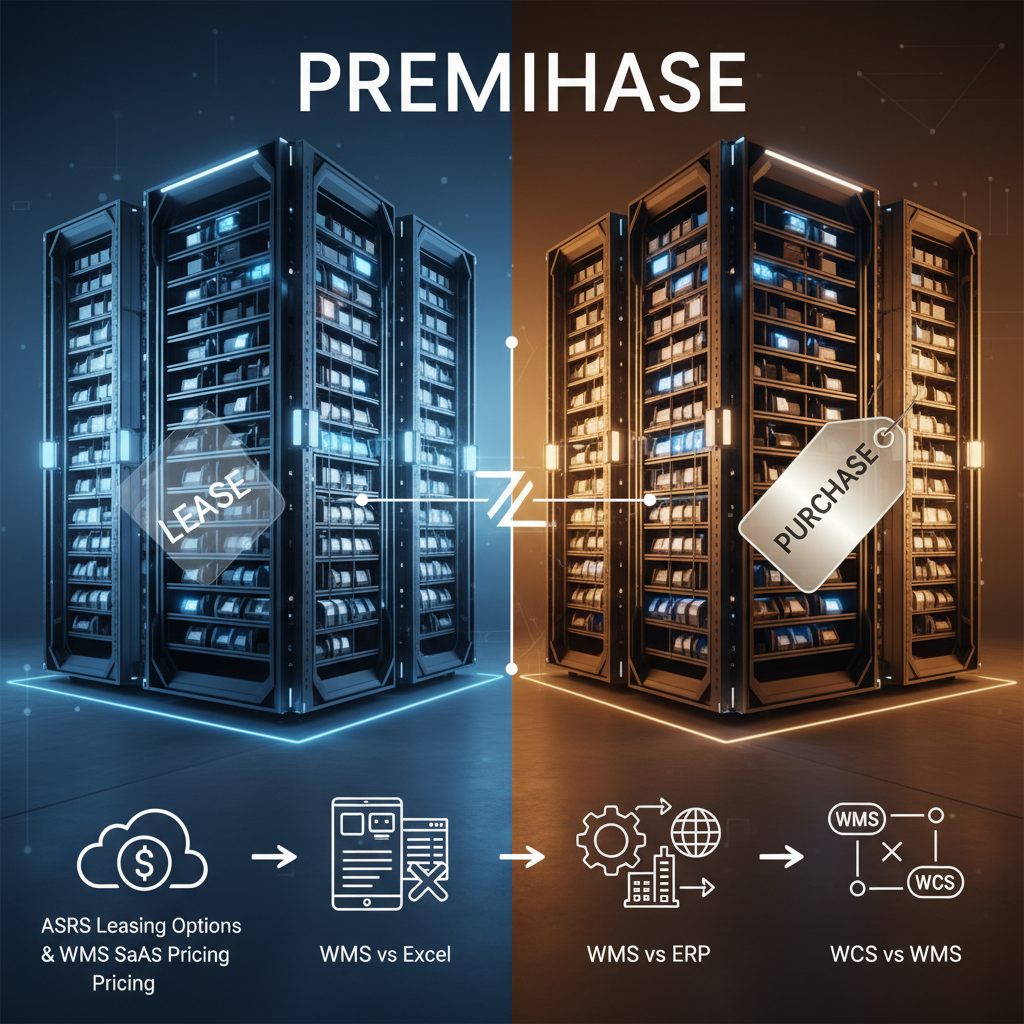
ASRS Leasing vs Purchasing Warehouse automation is no longer a luxury reserved for e-commerce giants. As fulfillment velocity accelerates and...

To provide operational excellence, Armstrong Dematic leads the way towards innovative intralogistics and warehouse automation solutions. Our transformations are based on Industry 4.0 solutions.
Follow us on:


