WMS for 3PL Warehouses
WMS for 3PL Warehouses Handling the ebb and flow of such diverse products, order profiles, and special requirements is no...


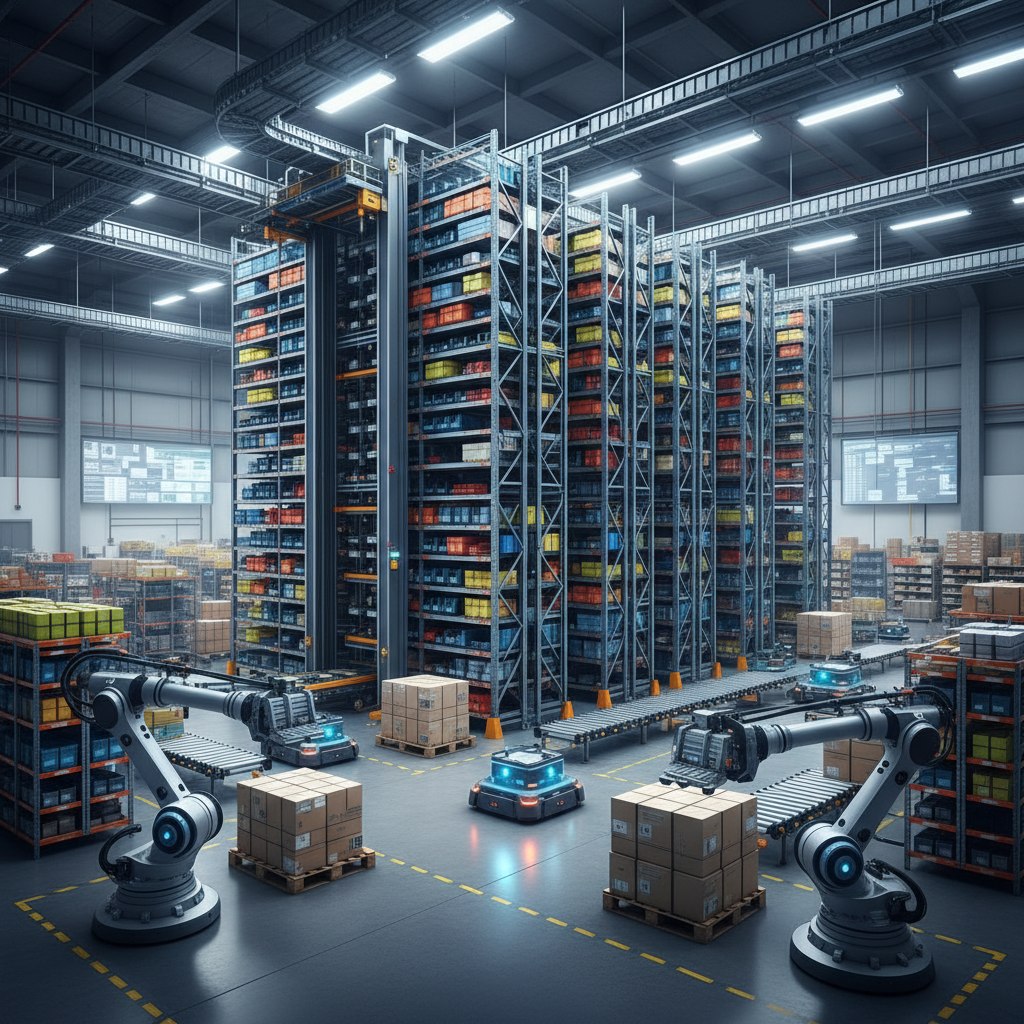
Warehouse Management System (WMS): Complete Guide
A warehouse management system is really important for logistics. As the amount of inventory grows and customers expect more businesses need to have control over what happens in the warehouse. A warehouse management system helps with managing stock movement, storage, picking, packing and shipping in a way that makes sense. It gives businesses the ability to see what is going on and control things so they can run the warehouse efficiently.
Many warehouses still use records or processes that are not connected. This often leads to mistakes with stock, delays and poor planning. A warehouse management system solves these problems by bringing all the activities in the warehouse into one place. It helps teams work faster reduce mistakes and make decisions based on what’s happening right now.
What a warehouse management system does
A warehouse management system keeps track of inventory from the moment it gets to the warehouse until it leaves. It records where things are stored how much stock is available and which products need to be picked or moved. This makes it easier to manage day-to-day operations without getting confused.
A warehouse management system also helps with planning where things should be stored. Of just putting things anywhere businesses can store products in a way that makes sense and is efficient. This saves time when picking things and helps get orders right. The system can also tell teams where the best place to store things is based on how products are moved and how much people want them.
Why businesses need a warehouse management system
One of the reasons companies get a warehouse management system is so they can see what is going on with their inventory. When stock levels are updated in time managers can avoid having too much or too little stock and they can avoid losing things. This is especially important for businesses that deal with a lot of products or handle things that sell quickly.
A warehouse management system also makes order processing better. When the system knows where each item is it is easier to pick, pack and ship things quickly. This helps reduce delays and supports customer service. For businesses that handle a lot of orders even small improvements in speed can make a difference.
Accuracy and control
Manual processes can be affected by human mistakes. Things might get put in the place counted wrong or shipped to the wrong customer. A warehouse management system reduces these issues by creating workflows that’re more controlled and can be tracked. Every movement is recorded, which makes it easier to find problems and fix them early.
Control is another benefit. Managers can see what is happening in the warehouse without having to guess. They can watch stock movement find things that are not selling and plan to get stock in a better way. This level of control helps keep operations stable and able to respond to changes.
Integration with warehouse operations
A warehouse management system works best when it is connected to systems in the warehouse. It can work with barcode scanners, main business systems, automated storage systems and shipping tools. This makes it easier to manage the supply chain from one place.
Integration also improves communication between parts of the business. When sales, inventory and warehouse teams all work with the information misunderstandings go down. This helps the business run smoothly and reduces unnecessary work.
Supporting growth
As businesses get bigger warehouses get more complicated. More products, more orders and more movement in the warehouse can create pressure. A warehouse management system helps handle this growth without losing control. It gives businesses a structure they can scale over time.
This is especially useful for e-commerce, retail, manufacturing and third-party logistics companies. These businesses depend on fast and accurate warehouse performance. A warehouse management system supports their goals by making operations more organized, efficient and easier to manage.
A warehouse management system is one of the valuable tools, for modern warehouse operations. It improves visibility, accuracy, control and order processing while supporting long-term growth. Businesses that want to run warehouses need systems that can keep up with demand. Armstrong Dematic helps create warehouse solutions that’re practical, efficient and ready for the future.

WMS for 3PL Warehouses Handling the ebb and flow of such diverse products, order profiles, and special requirements is no...

Order Fulfillment Solutions for Growing E-commerce and Retail Businesses What exactly is an order fulfillment solution? Simply put, these are...

Warehouse Automation RFP Guide Deciding to automate your warehouse is a significant first step toward industry-leading efficiency. But who should...

To provide operational excellence, Armstrong Dematic leads the way towards innovative intralogistics and warehouse automation solutions. Our transformations are based on Industry 4.0 solutions.
Follow us on:


