ASRS India: Complete Guide to Automated Storage and Retrieval Systems
ASRS India is a guide to automated storage and retrieval systems. Automated storage is changing the way warehouses work in


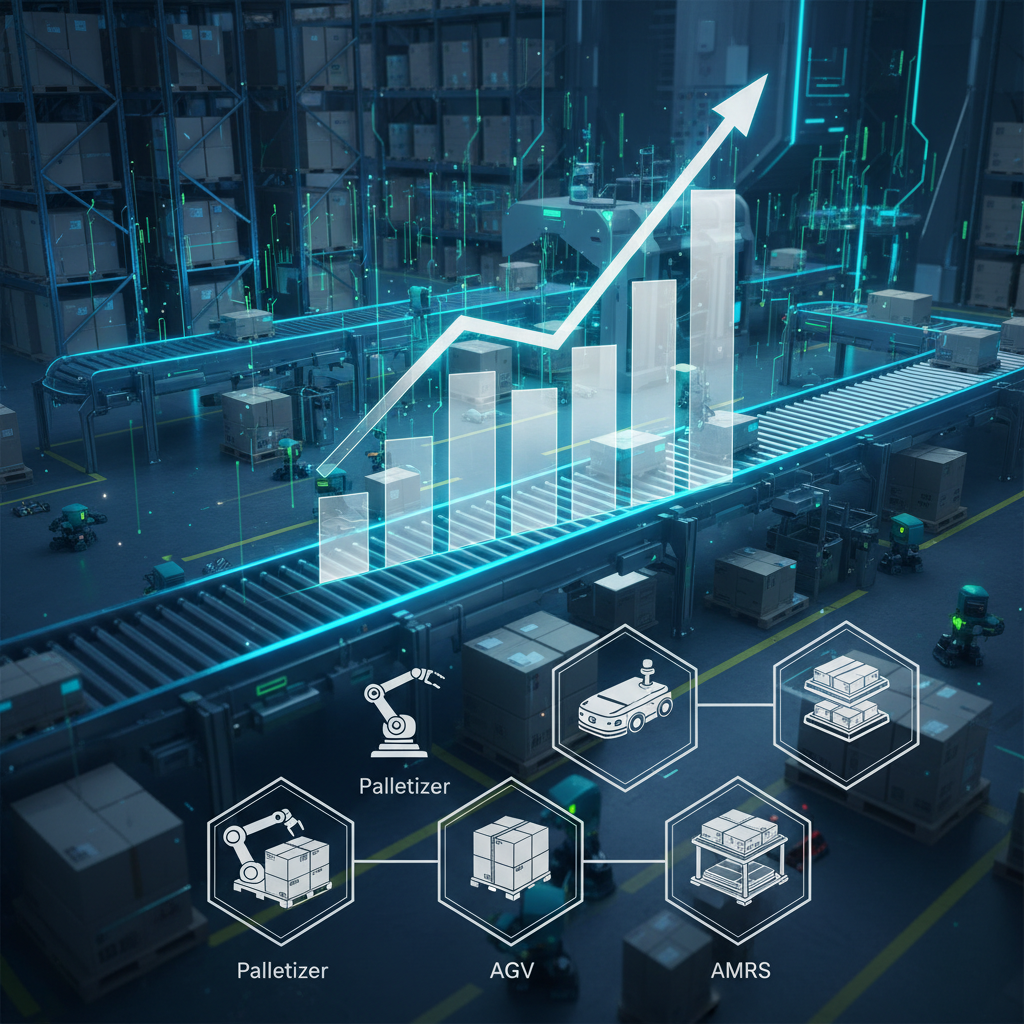
We’ve all heard the statistic about global sales of warehouse automation technology increasing by 15% or more annually since 2013, and there’s no sign of it slowing. That sounds terrific, but how do you justify the hard-dollar costs to your key stakeholders? How do you honestly account for operational disruptions, implementation time frames, and hidden costs? From vendor selection to financing options to post-implementation performance, your ability to compute an accurate ROI on your warehouse automation systems investment will have enormous implications for you, your company, and your career.
I guess you could call it the war of the warehouse! In one corner, you have behemoths like Amazon showing us the awesome potential of total warehouse automation. In the other, you have industry analysts promising it’s still not a viable option for 100% of the market. Smack dab in the middle (I’d say about 80%) you have the rest of us, trying to automate more of our DC operations every year. This often includes making decisions on how to adapt brick & mortar buildings that were never intended for automation. Opportunities for warehouse automation are everywhere, but so are potential budget pits. Even the best ideas can turn into real clunkers during the DC implementation phase if you don’t keep a few things in mind. Most teams start their warehouse software provider search by comparing sticker prices. That approach misses the bigger picture. True warehouse automation ROI depends on how well each system integrates with your existing ERP, WMS, and transportation management software. A low-cost AGV fleet that requires custom middleware and constant troubleshooting can drain more cash than a premium solution that plugs in seamlessly. When you evaluate a WMS vendor selection, ask how the platform handles real-time inventory updates, order batching logic, and exception handling. These operational details determine whether your automation pays for itself in eighteen months or drags on for five years.
Your agility, visibility, and resilience are all underpinned by a network that has to connect and communicate with more players than a championship point guard. When a haulier informs your WMS it is delayed by one tire fire on the Interstate, and your WMS promptly updates the TMS to reroute to the railhead but remember that the 3PL responsible for co-packing the hotcakes also has to be informed, and the need to restage shipments bound for donors and consolidate lifts on the backhaul, can your network handle that level of real-time connectivity? It isn’t the volume of data that overwhelms; it is the constant fluctuation of intra- and extra-network touchpoints. One-to-many, many-to-many, one-to-one connections , it’s a true lattice.
Capital expenditure is the first line in any ASRS ROI calculator. For an automated storage and retrieval system, expect hardware costs to range from $500,000 for a single-aisle shuttle system to several million dollars for a multi-level crane-based setup. Installation fees, structural reinforcement, and electrical upgrades can add another 20 to 30 percent on top of the base price. Software licensing for warehouse control systems and integration with your WMS typically runs between $50,000 and $200,000, depending on complexity. Do not overlook the cost of racking modifications, fire suppression upgrades, and permitting. These one-time facility mods can surprise finance teams if they are not included in the original budget.
There are many ways to calculate the return on your AGV investment, but most models look at the metrics of your storage economy before and after automation. For example, dividing the cost of the robots by the reduction in labor cost gives you a payback period. If the primary benefit you seek is using labor more efficiently, calculate how much less staff you’ll need when the robots are doing the running around. This will tell you when your break-even point is and how much money you’ll save over the calculated lifetime of the system.
Since most warehouse automation maintenance requires OEM engineers or certified technicians, travel time and expenses for emergency repairs can add up quickly. If you remote into the system for a quick fix, it’s tough to verify the workmanship, an unwitting mistake or a temporary workaround could easily lead to another, more serious failure. These are the reasons we often give maintenance contracts to the same companies that engineered and installed the system.
On the flip side, automation slashes manual labor overheads. A single ASRS can replace the work of eight to twelve full-time pickers, depending on throughput requirements and shift patterns. In 2026, the average warehouse associate in North America earns around $18 per hour, plus benefits and payroll taxes that push the total burden to $25 or more. Multiply that by three shifts and 52 weeks, and you are looking at annual savings north of $1 million for a mid-sized distribution center. Mobile robot ROI is equally compelling when you factor in reduced workers’ compensation claims, lower turnover costs, and the elimination of overtime premiums during peak periods. Build a side-by-side comparison that shows labor costs trending upward at 3 to 5 percent per year while automation OpEx remains relatively flat after the first year.
The same economics apply in reverse when your equipment can’t keep up with demand. Queued orders block inbound delivery lanes, trigger carriers’ late penalties, frustrate your team with expensive unplanned expedites, and increase your reliance on costly over-the-road freight. By stalling production schedules, delayed inbound materials create overtime and overwork on the floor. All in all, if you’re still running on “good enough for now” equipment, the business case to modernize is straightforward: calculated avoidance of monetary losses, not including the intangible domino effects of customer dissatisfaction and staff turnover.
AGV ROI and AMR ROI calculations should include the value of reduced travel time and improved task sequencing. Mobile robots follow optimized paths and never take unscheduled breaks, which means your order batches flow smoothly from receiving to packing. In a 300,000-square-foot warehouse, eliminating wasted walking can save 20 to 30 labor hours per shift. Translate those hours into additional orders fulfilled, and you will see how faster cycle times drive revenue growth. When you present your warehouse automation ROI model to leadership, tie throughput gains directly to top-line impact. Show how automation enables you to hit next-day delivery cutoffs, reduce backorders, and capture market share from slower competitors.
Peak Season Flex Savings: Eliminating the Hidden Expenses of Onboarding Temporary Emergency Labor
The state of today’s manual distribution centers is both dynamic and paradoxical. It is a time of unprecedented innovation, with the promise of even more exciting advancements on the horizon. But it’s also a time when many businesses are making do with dated systems while scrambling to address inbound waves of online orders and heightened customer expectations. Too many distribution centers rely on manual or semi-automated processes that can leave orders sitting for hours, and sometimes miles, from the loading dock. They struggle to optimize inventory and labor, juggle a growing assortment of SKUs and SKU locations, and respond to seasonal peaks and unanticipated volume spikes. It’s time to free those businesses from this predicament by making automation more accessible to the organizations that need it most.


ASRS India is a guide to automated storage and retrieval systems. Automated storage is changing the way warehouses work in
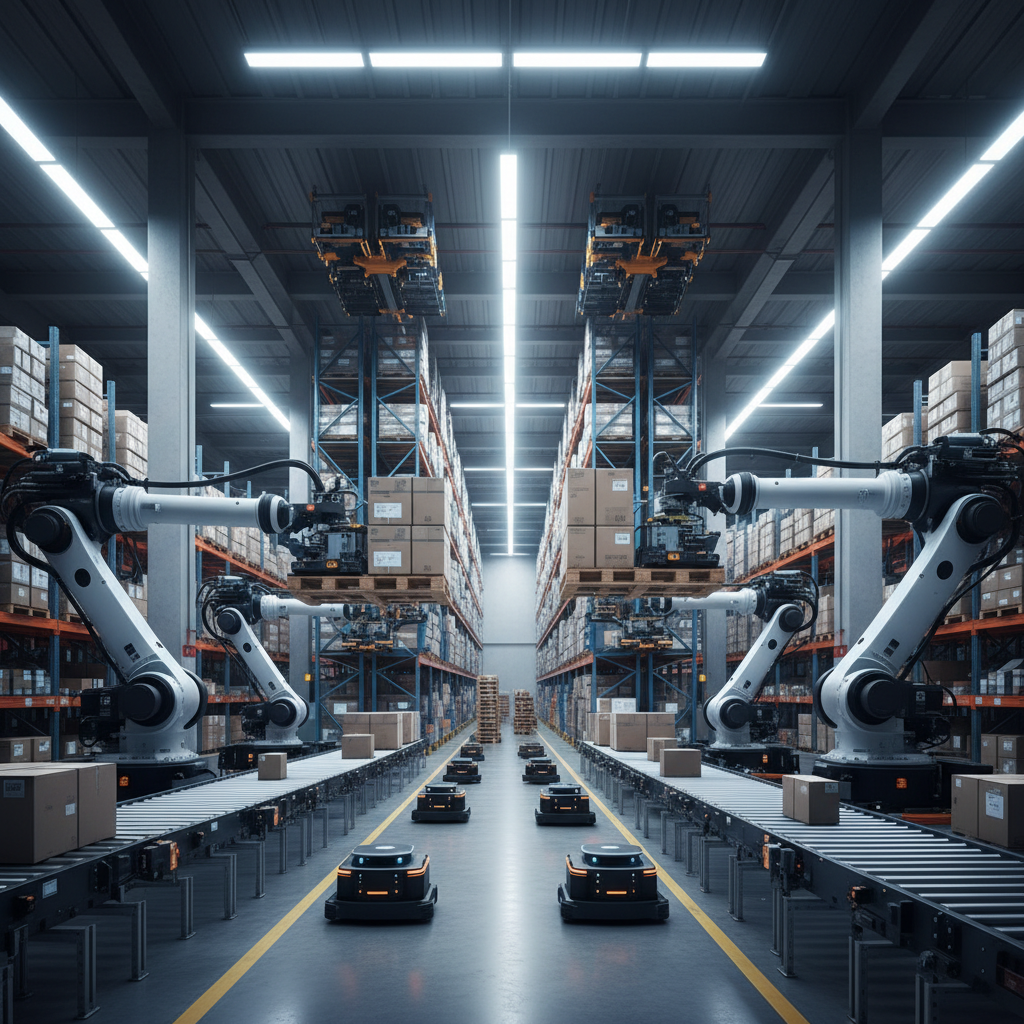
Automated Depalletizing Systems for Warehouses Depalletizing systems are really important for warehouses and distribution centers because they need to handle...
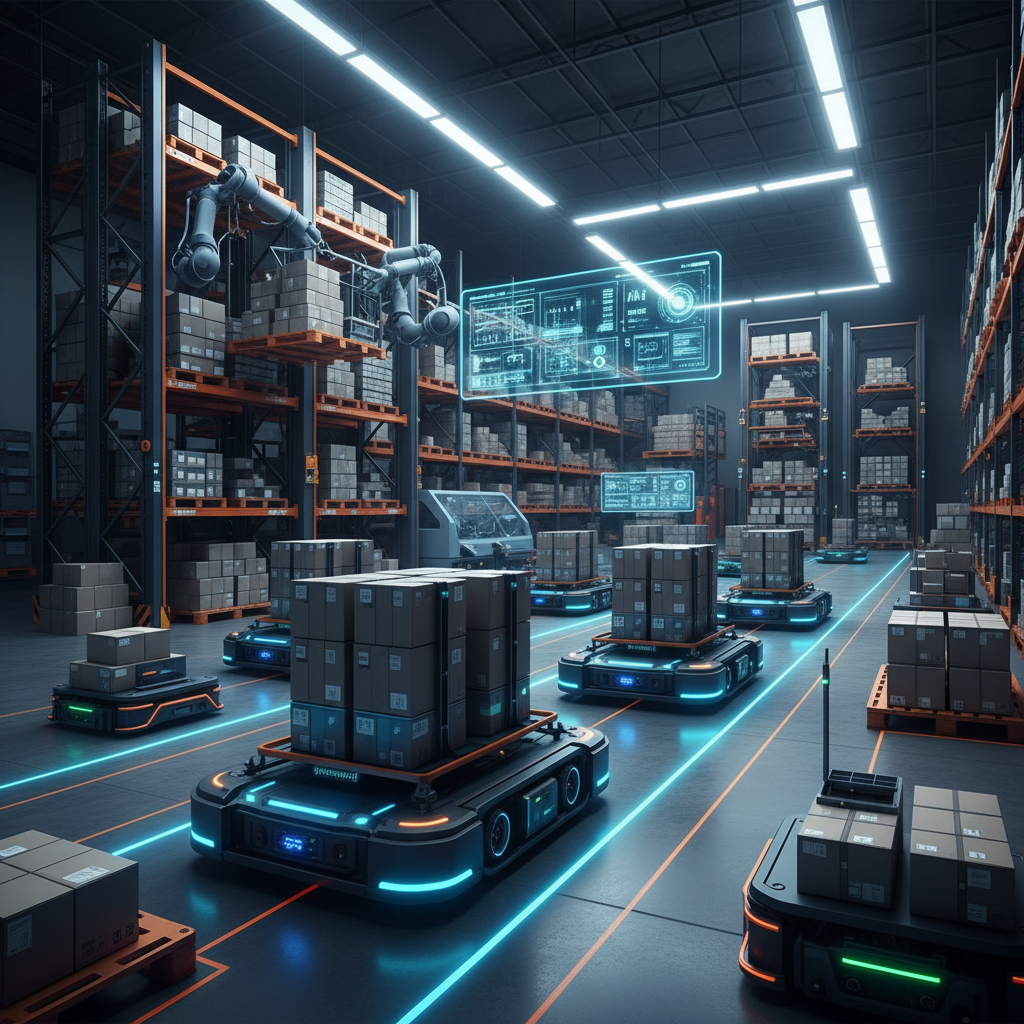
Automated Guided Vehicle (AGV) Systems Guide An automated guided vehicle is one of the helpful technologies in modern warehouses and...

To provide operational excellence, Armstrong Dematic leads the way towards innovative intralogistics and warehouse automation solutions. Our transformations are based on Industry 4.0 solutions.
Follow us on:


