WMS for Automotive Warehouses
WMS for Automotive Warehouses Times are tough for automotive buyers. With global procurement environments more competitive than the F1, customer...


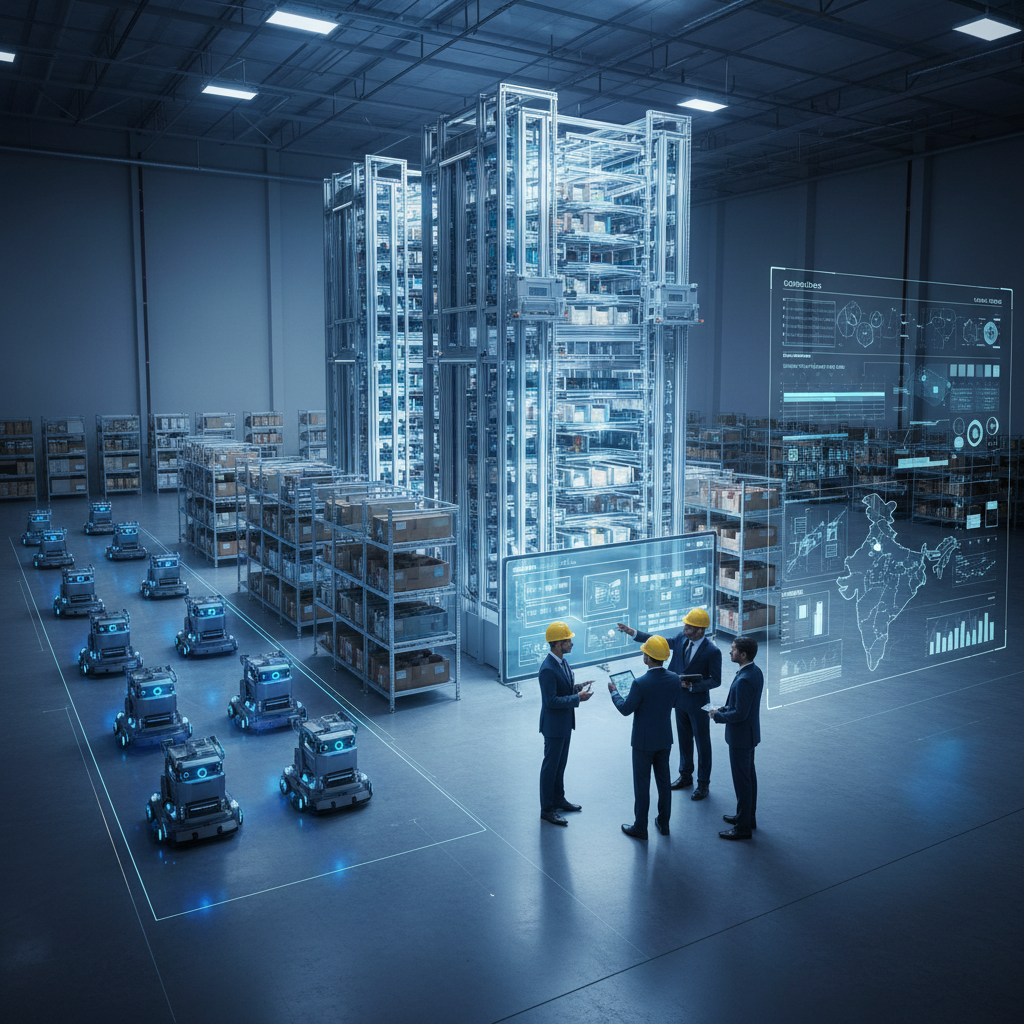
India’s dynamic logistics industry demands WCS solutions that are easy to integrate, highly scalable, and capable of orchestrating multiple automation technologies from multiple vendors. Yet, the ability of WCS suppliers to deliver on these promises while managing total costs for your WCS implementation can vary significantly. So, what is the WCS implementation cost in India, and how can you be sure you’re getting the best deal in 2026? Let’s break it down. First, the WCS overall cost is the sum of software licensing (usually dependent on the number of controlled zones or automated equipment), as well as professional services (consulting, training, implementation, go-live support, and maintenance). Second, WCS suppliers may adopt different methodologies for Levy-based pricing. This is where the pricing is extended based on the number of control points, zones, or ASRS cranes you are looking to connect, the number of warehouse personnel accessing the WCS, or the number of WCS interactions between personnel and the system required per year. The WCS long-term cost (beyond three years) will be directly influenced by overall WCS configurability and vendor lock-in terms of upfront costs to module price ratios. The relationship dynamics and your ability to negotiate pricing will be the tertiary determinants of WCS cost. Also remember that WCS prices can be very fluid. So, it is advisable to be clear on what is optional, what’s not, and what is essential for WCS and implementations (such as software, sequencing, interfaces, communication protocols, etc.) with your preferred vendor. How frequently the supplier updates the WCS, includes new functionalities or technology, and extends support will affect the long-term cost-benefit ratio beyond three years. Also, ensure you are not overspending for support and warranties and meeting your delivery return on investment-equation requirements. It’s a good sign if a supplier is getting a lot of repeat business, but that shouldn’t give them the leverage to charge a premium. The more options you have to extend the modules if desired with another supplier, the smarter percentage you are paying with the initial configuration cost.
Deciding between AMR vendors in India with multiple warehouse automation projects under their belt and one that treats your project as just another number isn’t easy. Faster shipment times, lower total cost of ownership, and 24/7 customer service all depend on selecting the right partner. How do you avoid a disappointing outcome? How do you weigh options when the technology is new, and everyone’s race is still being run?
What factors affect the cost of WCS deployment and shuttle systems? It is relatively easy to compare AMR costs on a per-unit basis, but the issue is more complex when rack feeders are included. Some WCS vendors bundle basic fleet control applications with their AMRs, while others price these functions above and beyond shuttle management at a per-pallet rate. Similarly, rack provider software, remote connectivity options, and automatic maintenance notifications may or may not come standard. Discuss with your vendor the potential cost implications of any optional software or features and verify that the amortized sum is included in your overall budget estimate.
Your central nervous system can have all the fancy receptors and messaging pathways it wants, but it still needs a brain to interpret and act on all that data. This where your warehouse control system (WCS) comes in. For any warehouse with automated material handling equipment, a WCS is your most critical software component. It is the crucial layer of software that, in real time, maps out all the movements and tasks that need to be performed throughout your warehouse and translates them into machine-level commands. A WCS will manage and direct all movement and workflows. It works as the central hub connecting your warehouse execution system (WES) and its warehouse order fulfillment system, and every machine or robot your autonomous mobile robot (AMR), automated storage and retrieval system (ASRS) modules, conveyor, sorter, or any other equipment that moves and stores items for you. A WCS is also often where human involvement (from controllers or supervisors) enters the system for manual adjustments and exceptions such as maintenance or recovery operations. That makes choosing and designing the right WCS a crucial and often costly decision. What is the WCS implementation cost?
Interoperability is more than just systems playing nice. You need your AMRs to share the aisle with manual forklifts and operators, for example. So too, you’ll want your new autonomous vehicles to mesh with existing picking and packing processes. In this way, good consulting results in fewer disruptions during implementation , another step in the right direction for a smooth rollout and quick ROI.
How does an AMR know where it is going? Its onboard system processes sensor data from LiDAR, cameras, or other devices to map the surroundings and locate itself in that map. We call this autonomous localization and mapping. Different technologies offer more or less precision and flexibility, as well as different costs and maintenance needs. A solution that relies on one type of sensor may be cheaper but less robust than one that incorporates multiple sensor types.
Make sure the AMR is equipped with ample safety features. Emergency stop mechanisms will halt the vehicle within milliseconds but are most effective when accompanied by audible and visual alarms. Integrated siren lights also help. Speed governors can prevent the AMR from exceeding a predefined speed limit. These features are generally factory-installed. Be certain they are tested during the commissioning phase and on regular intervals post-purchase. Settings can vary, so get your supplier to walk you through all configurations.
Will these incentives make a difference in the long run? It’s tough to predict, since many factors determine success, including the use case, technology, operations, and ecosystem partners. Upfront funding can get pilots off the ground and help systems integrators and software developers create ad hoc solutions where commercial ones don’t yet exist. But government grants can mask the real scaling challenge. Pilots are easy. Rolling out hundreds or thousands of robots across dozens of sites isn’t.
Vendor lock-in is a hidden cost. For some, you are locked into hardware, software, and services in a single contract with automatic renewals and limited exit clauses. For others, modular pricing allows you to change support providers or upgrade components. Check the details for software updates, availability of spare parts, and ownership of data. Your warehouse creates valuable operational data and you should have the right to export, analyze, and share it with third-party analytics. An experienced automation consulting partner will take care of that and make sure your contracts are flexible as your business grows.
Conclusion
The choice you face when selecting an AMR supplier in India is not unlike a complicated move played out on a chess board. Do you make the low-risk opening move and opt for something safe and reliable, such as ASRS? While this will see you claim a piece of the automation advantage, you know there are still moves on the board that might better suit your position. Within a few turns, the competition may end up deploying WCS to further bolster your ASRS strategy. Meanwhile, you have made a second move yourself, using a shuttle system that further strengthens your automation front. What’s left? The strongest end game available is deploying the fast and flexible AMRs to complete the full automation suite. However, your competition might be thinking the same thing.

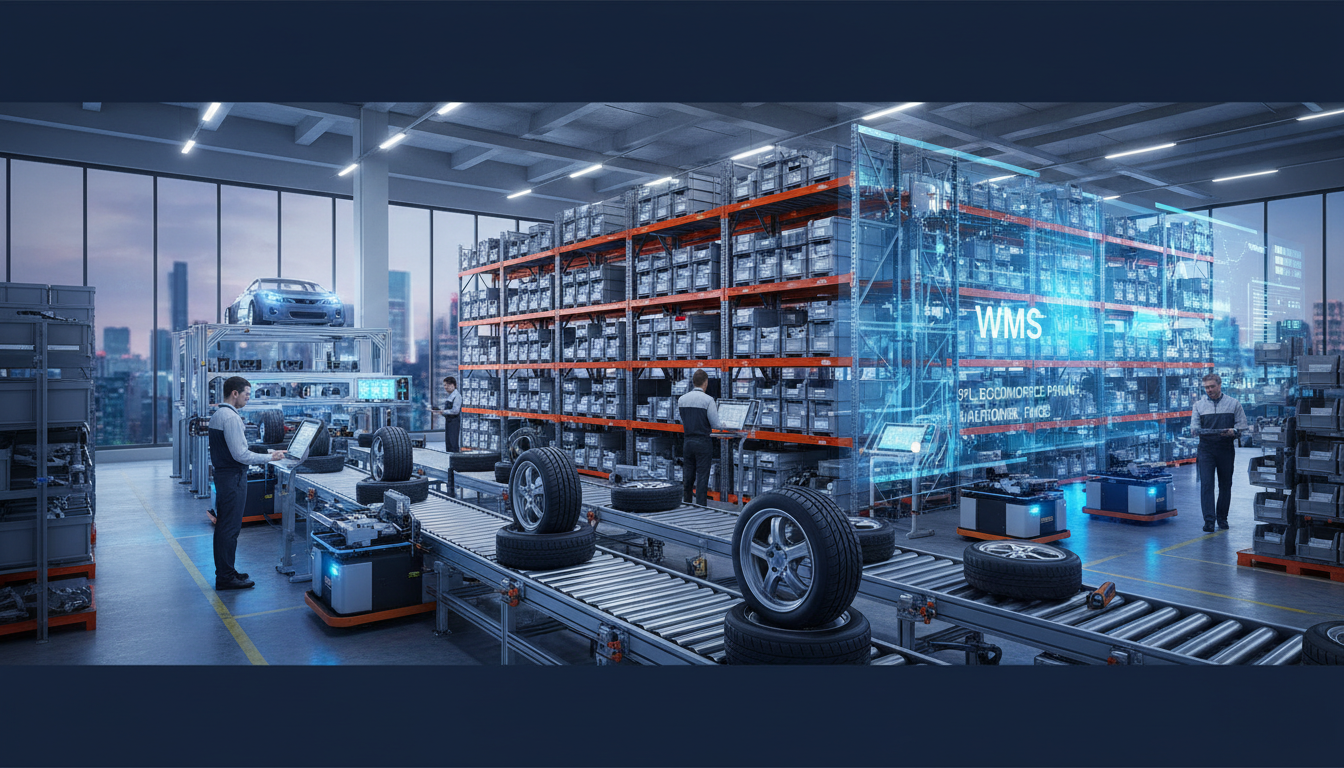
WMS for Automotive Warehouses Times are tough for automotive buyers. With global procurement environments more competitive than the F1, customer...
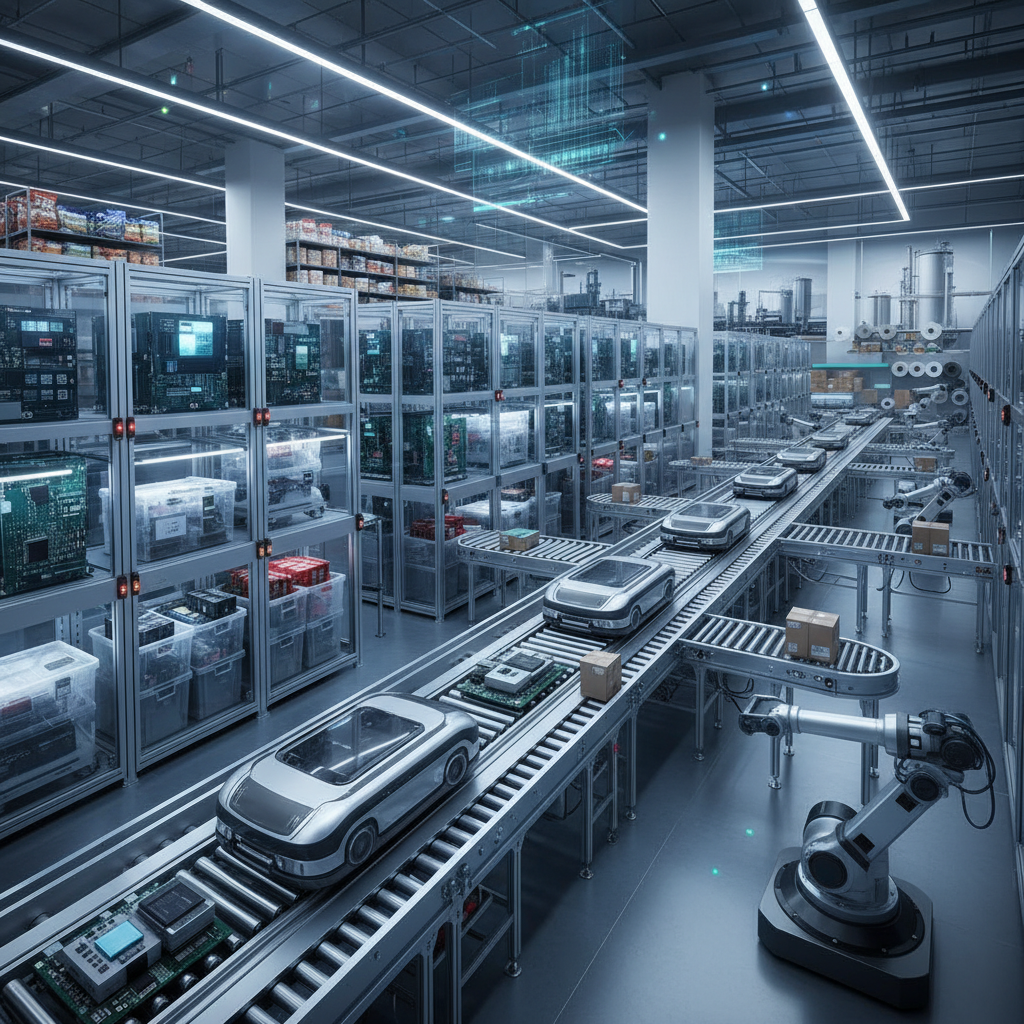
ASRS for Electronics Warehousing I would bet there's an electric or electronic device within arm's length of you right now....
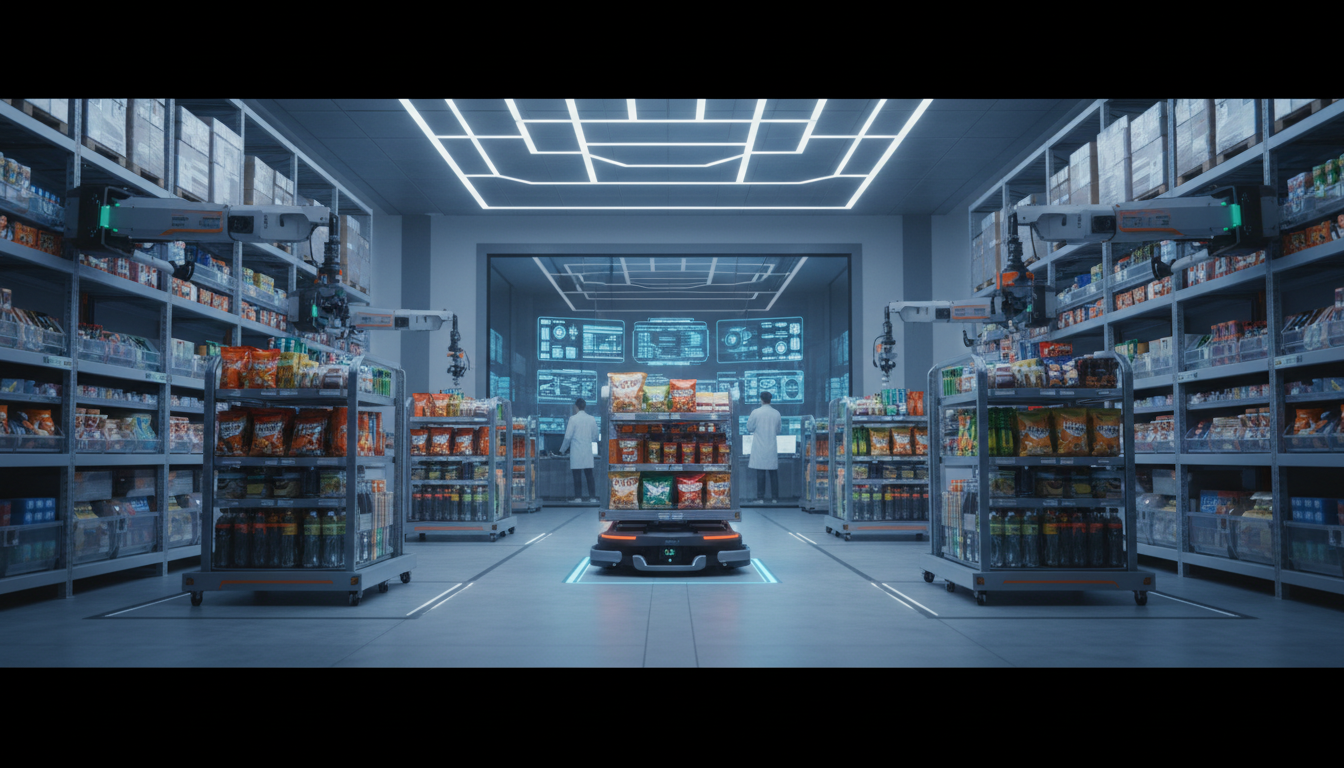
WMS for FMCG Distribution Centers Fast-moving consumer goods are like a river; they just keep flowing despite whatever obstacles are...

To provide operational excellence, Armstrong Dematic leads the way towards innovative intralogistics and warehouse automation solutions. Our transformations are based on Industry 4.0 solutions.
Follow us on:


