Warehousing 2030: The Seven Structural Shifts Defining the Next Era of Intralogistics
Across the world, intralogistics is moving through a decisive transformation. Warehousing is no longer a silent operational function hidden behind


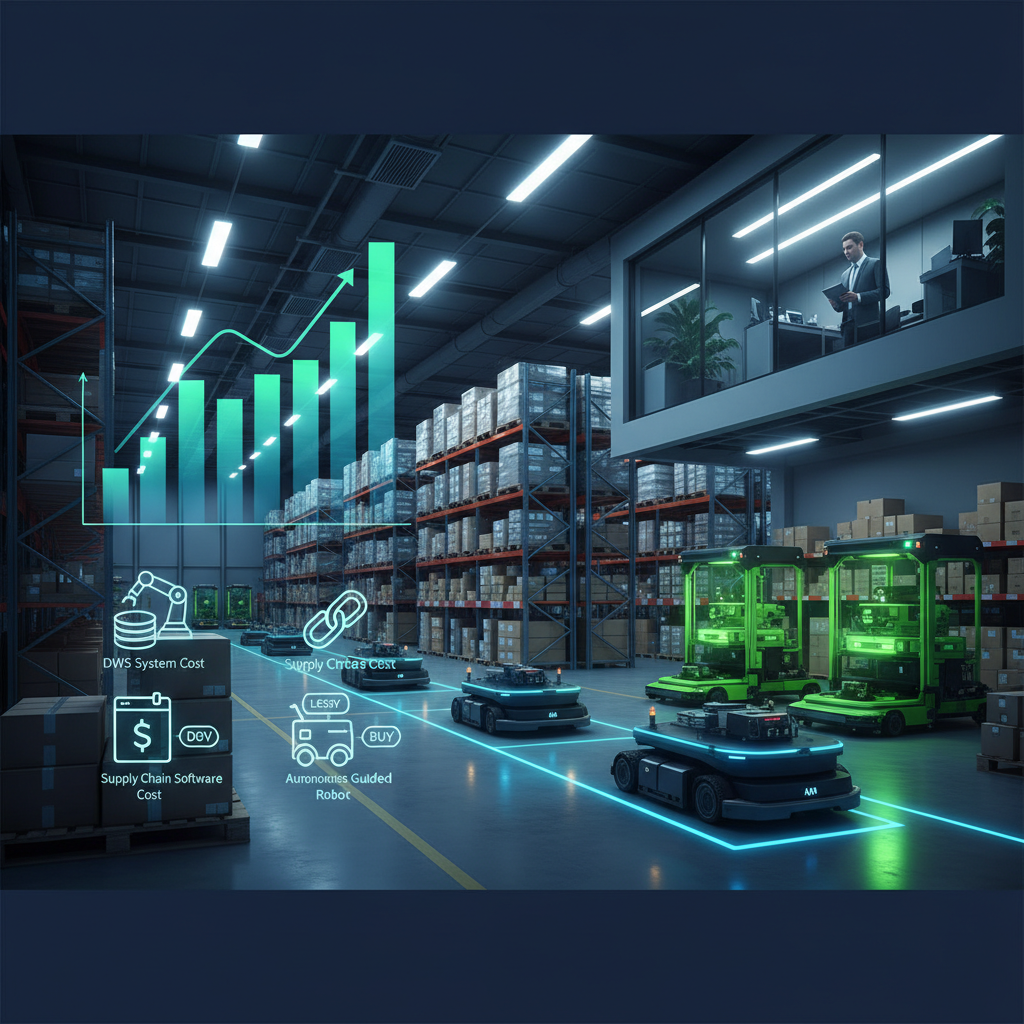
It can feel like you need a crystal ball to build an accurate warehouse and supply chain software budget. Market demands, labor shortages, and unexpected disruptions mean you must find new ways to stay competitive. That often comes down to getting the most out of software and equipment investments. The owner of a mid-sized warehouse, for example, estimates a 76,000 USD spread in WMS software price quotes for his operation. The reason: there are broadly two pricing models on the market and they’re not created equal. With a similar dynamic in automation , forklift and AGV/AMR systems, for example , and the heightening uncertainties around labor costs and supply chain disruptions, you can’t afford to guess on your capex and opex needs.
For higher-volume or more complex operations requiring increased logistics control, you’ll see on-premise WMS systems start at $10,000 to $100,000 per concurrent user, with additional costs for server hardware, software access licenses, version upgrades, and long-term maintenance. Customizations are often quoted as a percentage of the total software license and ongoing support/maintenance agreement. Implementation project costs, which can be 1.5 to 2.5 times the original software license cost, cover system engineering and design, server configuration, software installation, network setup, testing, employee training, vendor support during rollout, go-live transition services, and post-deployment check-ins.
The clearinghouses of the internet of things (IoT), supplier collaboration and quality management systems, and blockchain are focused on different use cases, but they all generate big data that needs to be mined by AI. When you add in structured data from your order, inventory, and fulfillment systems three, four, and five (sometimes located halfway around the world at a contract manufacturer, enterprise supplier, or logistics provider), you’re awash in information, but starved for intelligence about what’s actually happening right now. For many, what’s needed is a reality check: that dynamic model simulation engine may look dazzling in the Gotham demo room, but it can start to resemble the unmanned infrastructure of an eroding highway. Or worse, become a corporate paperweight when the consulting innovators pack up their bags.
You don’t “own” perpetual licenses in the true sense. You’ve merely rented the rights to use the vendor’s intellectual property without term, even if that product ceases to fill your functional needs. For the vendor’s customers, this is lucrative and provides regular R&D revenues to ensure ongoing product development. For the vendor. It’s like selling you a print of one of their paintings, then agreeing to come dust it off for you every month with the option to buy another print.
It’s no longer buy software, implement, and pray it works. With a SaaS model, your vendor has skin in the game all the time. The negatives? High ten-year net present value (NPV) because costs continue in perpetuity, possible large year-on-year bumps if you’re charged on usage, and the likelihood of being on a newer, and possibly riskier, technology platform since your vendor is under pressure to get everyone on the latest version. It’s also hard for most business leaders and IT folks to build a business case if the bill is going directly to the operating-expense budget. But major WMS vendors including Infor and Manhattan are now SaaS-only and can point to thousands of warehouse customers. A number of cloud WMS suppliers have popped up to meet the growing 3PL and e-commerce segment, most of them SaaS-only as well. Other vendors offer both perpetual licenses and SaaS. The SaaS provider we interviewed for this story acknowledges that -aaS “may not be a solution for smaller 3PLs with 500,000 square feet and five customers.”
And what about the software itself? Unlike yesteryear when virtually any WMS required at least some level of customization, today’s best-of-breed systems are largely configurable out of the box for 80% of user needs. If you need changes to core code, you’re working with a lowest-paid-programmer, legacy WMS that won’t deliver a good ROI anyway, says Bruce Stubbs, director of industry marketing for Honeywell Intelligrated. Most vendors will offer a software service contract that includes and prioritizes a set number of these annual enhancements, with any overage billed hourly.
The number of facilities certainly affects the cost. But how and why does it impact the cost? The more facilities you have, the more expensive the system is likely to be. So why is that? The integration process, database, and service requirements are all multiplied when you have to set up the system for several different facilities. Customer-specific virtual private clouds and other test, training, and production environments can all add to this overhead as well.
Cookie-cutter solutions seldom address every requirement, but at least you know what you’re getting and the fees are guaranteed. A custom solution is tailored to your exact need but eyeball estimates are the best you’ll get on costs. Costs can spiral out of control as your business user community identifies missing features or desires enhancements to drive additional value from their investment in the tools. Custom code to address these requirements can be quoted prior to beginning the work, but likely you’ll have additional change orders and more cost run-ups than the renovation of a 100-year-old house when the lead developer keeps finding “while we’re in there” surprises.
API integrations with your ERP, WMS, TMS, and e-commerce platforms can drive those costs through the roof. Since few vendors can cover everything, budget $5,000 to $20,000 per pre-built connector, which comes standard with enterprise plans at some providers, and others offer as a menu-priced add-on. Prepare to spend $30,000 to $100,000 for API development of real-time legacy systems or niche applications with complex data requirements. Consultants are expensive, and you’ll be at their mercy for every change order if your developer and their API aren’t compatible. Look for providers that publish their API developers guide and have pre-developed scripts and recipes for popular integrations. A qualified developer should be able to plug and play.
Implementation and Training Safeguards: Budgeting for On-Site Support, Testing, and Staff Onboarding
Implementation costs carry high margins for the vendor, but are a significant source of heartburn for the buyer , they’re unpredictable and are frequently the difference between a successful project and a failure. If you blow your budget on implementation, you might never realize the expected payback. Minimize the risk by addressing four critical drivers of cost: 1. Integration; 2. Resources; 3. Scope Creep; 4. Training and Documentation.
It is a commonly-and-grossly underestimated line item, but you should plan for at a minimum two days of classroom or virtual training per user role (picking, supervision, administration), at the going rate of $1,500 to $3,000 per day per trainer. A 50-user site will therefore require $15,000 to $25,000 of training services. Many vendors include a certain number of training days in the implementation package, but you’ll be expected to pay for the little ‘nices’ such as refresher training, new-hire training, and train-the-trainer. Most also charge for virtual training, a service you may wish to consider for refresher or update purposes. Low adoption and high error rates are the consequence of underfunding training, so you’re only harming yourself in the long run if you go this route. Just suck it up and make the expenditure , view it as an obligatory investment. A training regiment can cost far more to your labor and your operations if you don’t get the people straight out of the gate.


Across the world, intralogistics is moving through a decisive transformation. Warehousing is no longer a silent operational function hidden behind
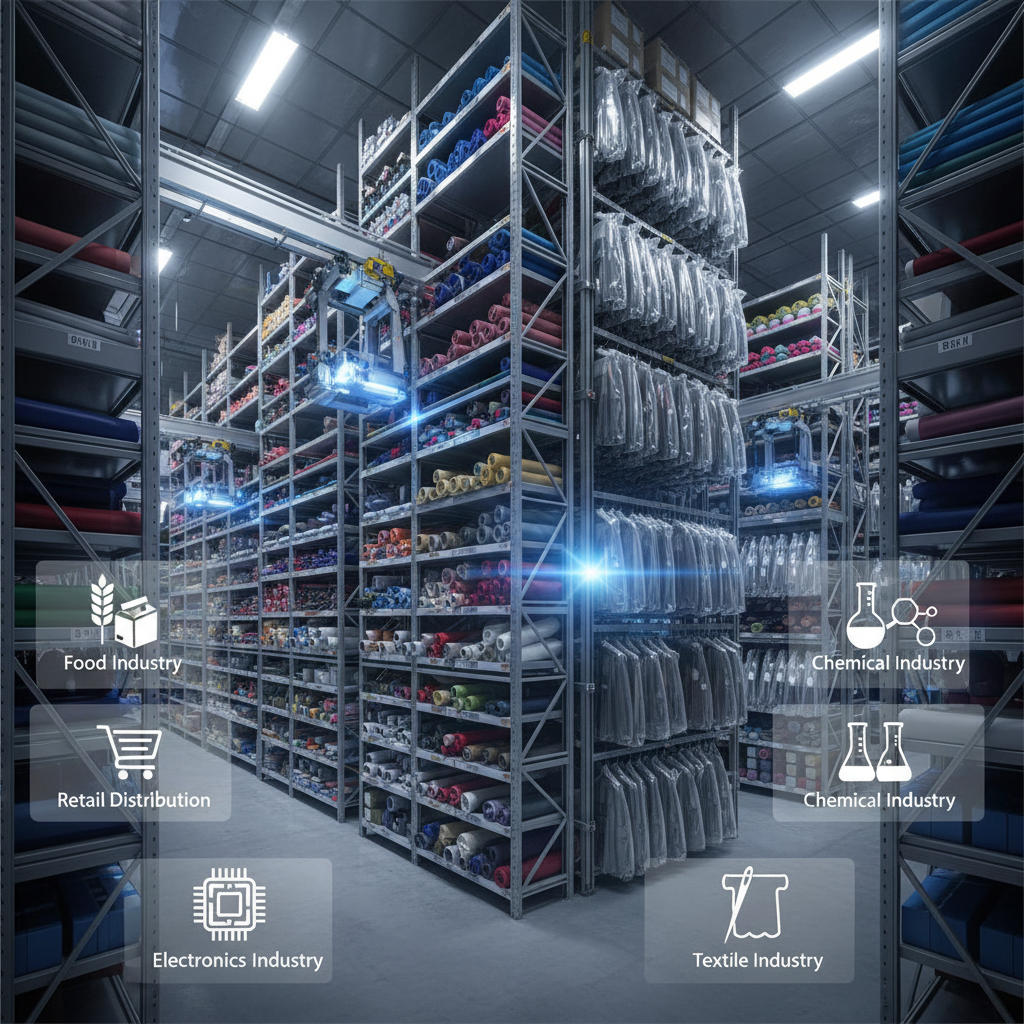
ASRS for Textile and Garment Warehouses Variety is the pulse of the industry. It’s what makes fashion fun. But here’s...
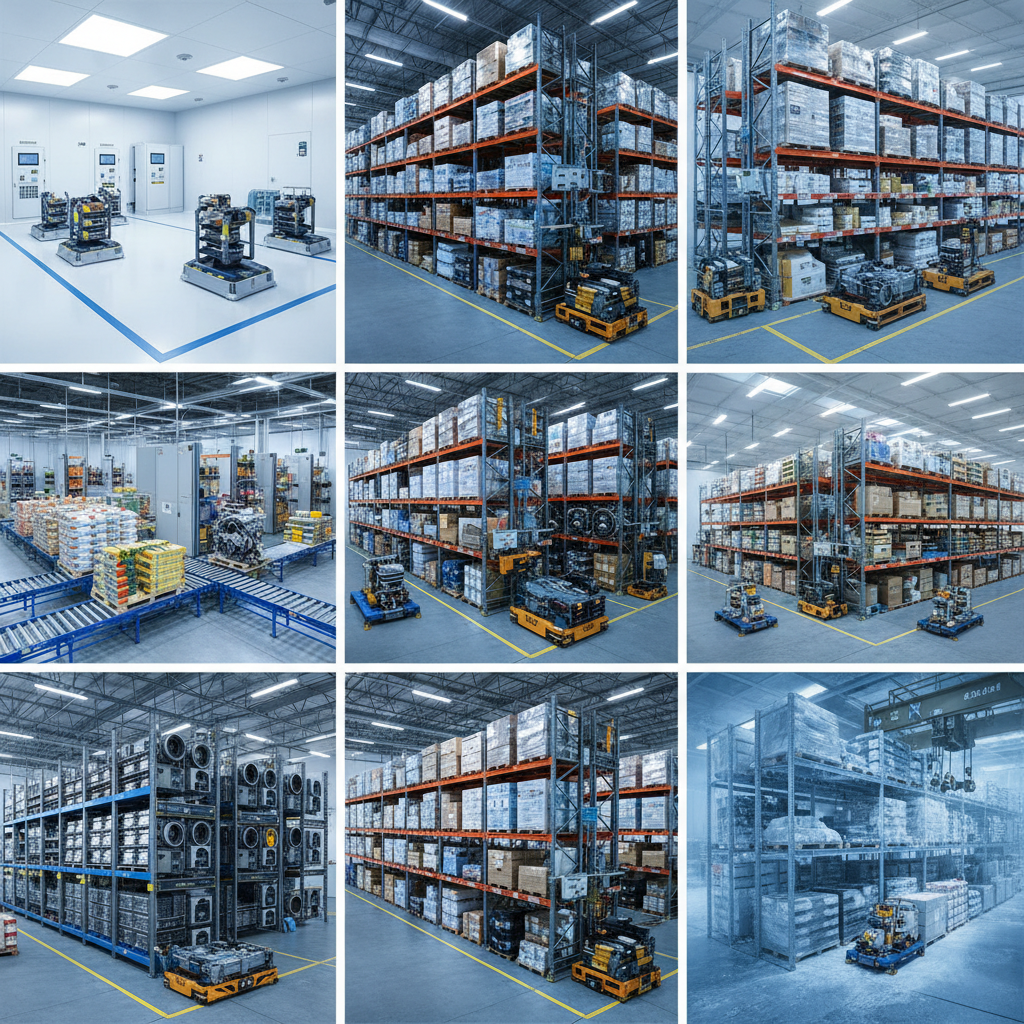
ASRS for FMCG Warehouses Are you familiar with FMCG warehouses? They literally have thousands of products, and products change regularly....

To provide operational excellence, Armstrong Dematic leads the way towards innovative intralogistics and warehouse automation solutions. Our transformations are based on Industry 4.0 solutions.
Follow us on:


